
Vaduz Travel Guide 2026: A Perfect Day in Europe’s Alpine Micro-Capital
🏔️ Introduction & Why Go
I hadn’t actually planned Vaduz. I was driving toward Switzerland in August, and Liechtenstein sat right on the way, so I pulled off for what I figured would be a quick detour. What I didn’t expect was how completely a country the size of a small town could still feel like its own distinct place, with a castle on the hill, its own stamps, and a border crossing that’s really just an old wooden bridge over the Rhine.
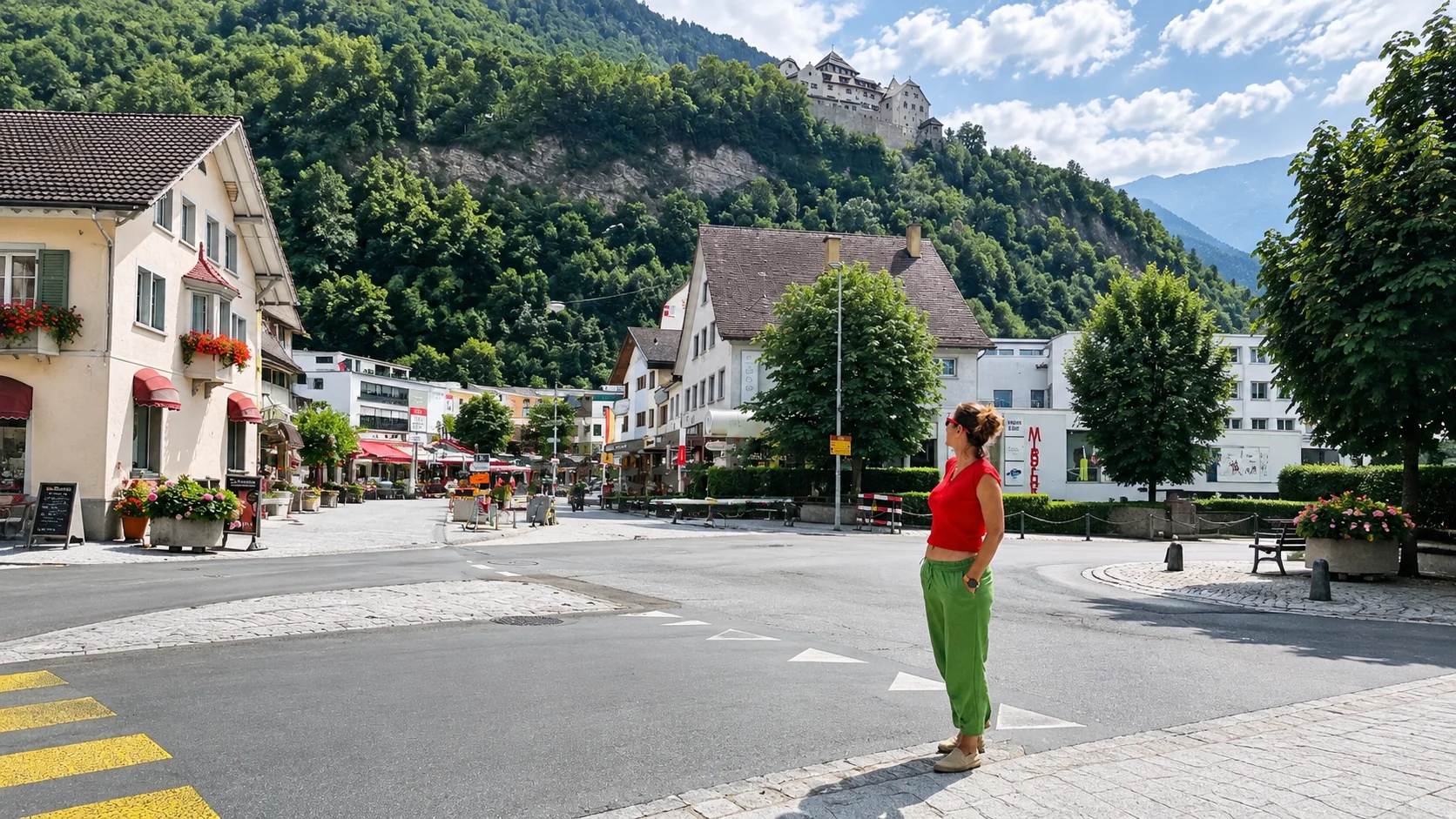
Vaduz won’t fill a week, and it doesn’t try to. It’s the kind of stop where you park, walk everywhere, and leave with a passport stamp for a country most people can’t find on a map. Between the hillside castle views, the compact old town, and the sheer novelty of the world’s sixth-smallest country, a single day here earns its place on any Alpine road trip.
Quick Picks: Where to Stay
- 🧍 Budget: Schaan-Vaduz Youth Hostel, dorms and privates a short walk from central Vaduz
- 🛎️ Mid-Range: Hotel Vaduzerhof by b-smart, modern self-check-in rooms steps from the Art Museum
- 💎 Luxury: Parkhotel Sonnenhof – Relais & Châteaux, hillside views over Vaduz Castle and the Rhine Valley
🧭 Practical Info: When & How to Go
Quick Facts
- Visa/Entry: Liechtenstein issues no visas of its own; Switzerland handles entry, and the same Schengen rules apply on both sides of the open border. Most EU, UK, US, and Canadian travelers can enter visa-free for up to 90 days in 180.
- Language: German (locally, an Alemannic dialect); English is widely understood in Vaduz.
- Currency: Swiss Franc (CHF), not the euro, despite being surrounded by the eurozone.
- Plugs: Type J, 230V, same as Switzerland.
- Mobile & Internet: No Liechtenstein-specific SIM is really necessary; a Swiss eSIM via Airalo or a European roaming plan covers it, since the network here runs on the same infrastructure.
- Transport tickets: LIEmobil buses; a single fare starts around CHF 2-3.
🛂 Entry note: Because Switzerland manages Liechtenstein’s borders, there’s no separate checkpoint to cross once you’re already in Schengen territory — check the UK government’s Liechtenstein travel advice for passport validity rules before you go.
Getting There & Around
Liechtenstein has no airport of its own. The nearest options are Zurich (ZRH), about an hour’s drive, St. Gallen-Altenrhein (ACH), and Friedrichshafen (FDH) in Germany. Compare fares on Skyscanner before booking into any of the three, and if you’d rather not deal with rental logistics, gettransfer can arrange a private transfer straight from Zurich.
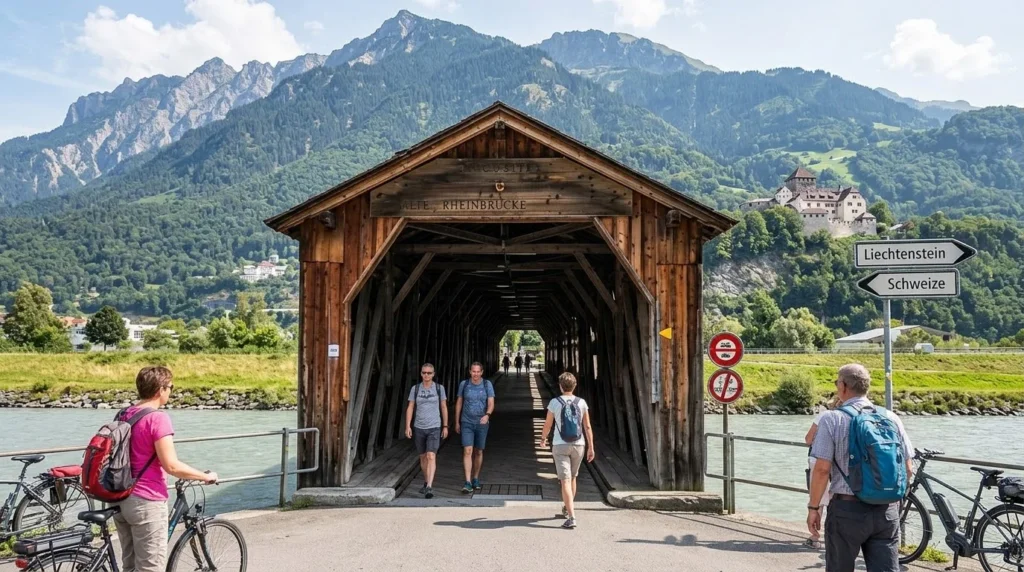
There’s no train station in Vaduz itself. Most travelers reach the country via Sargans or Buchs SG in Switzerland, or Feldkirch in Austria (tickets in from further afield are easy to compare on 12Go), then hop on a LIEmobil bus into the center: Bus #11 or the faster #12E from Sargans takes about 20-30 minutes. If you’re coming from the Swiss side by car, like I was, the Alte Rheinbrücke, one of the last wooden bridges still crossing the Rhine, is a fittingly memorable way to leave the country, straight back into Sevelen, Switzerland.
If you’re renting a car for a longer Alpine loop, economybookings covers rentals across the region without the need to switch providers at each border.
Best Time to Visit & Trip Length
I went in August, and the weather was warm and clear, good hiking conditions if you want to add a trail above the town. One day is genuinely enough for Vaduz’s old town and castle hill; add a second if you want to head up to Malbun for mountain scenery or detour south to Balzers.
🗺️ Day-by-Day Itinerary
Day 1: Vaduz on Foot
I started in the pedestrian old town, Städtle, where the government buildings, the cathedral, and most of the museums sit within a five-minute walk of each other. It’s a strange feeling, realizing you can see most of a country’s capital without getting back in the car.
Morning: St. Florin Cathedral and Städtle. The neo-Gothic Cathedral of St. Florin anchors the old town and is worth a quiet ten minutes inside before the streets fill up. From there, it’s an easy wander past the Government Building and the Liechtenstein National Museum.
Midday: up to Burg Gutenberg. Rather than sticking only to Vaduz center, I drove a short distance south to Burg Gutenberg, a hilltop castle with rose gardens and views over the Rhine Valley that felt more dramatic than I expected for such a short detour. It gave me the castle-on-a-hill photo I’d actually come for.
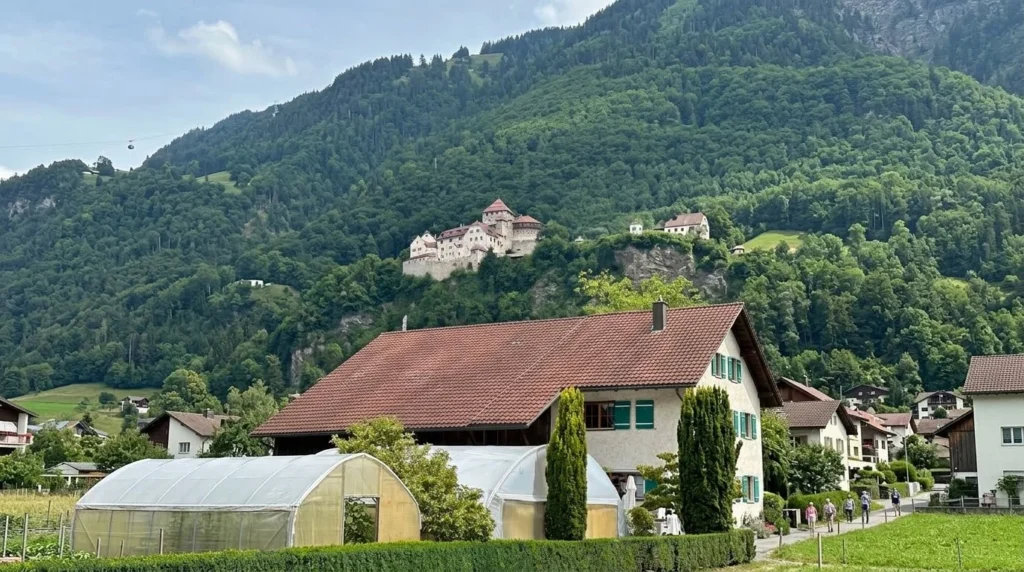
💡 Local tip: Vaduz Castle, the residence of the Prince of Liechtenstein, is visible from almost everywhere in town but closed to the public — Burg Gutenberg is the hilltop castle you can actually walk through.
Afternoon: back to the old town, then the border. After lunch, I looped back into central Vaduz for a slower walk past the Kunstmuseum and the Postage Stamp Museum (Liechtenstein’s stamps are a famously popular export). By late afternoon, I made my way to the Alte Rheinbrücke and crossed on foot back into Switzerland, a fittingly small, symbolic way to end a visit to a country you could walk across in an afternoon.
⭐ Top Experiences & Best Places to Visit
1. Cathedral of St. Florin
The parish church turned cathedral in 1997, with a Gothic Revival spire that’s become one of the more photographed buildings in the old town.
2. Burg Gutenberg
A restored medieval castle in Balzers, a short drive south of Vaduz, with rose gardens and panoramic Rhine Valley views. My favorite stop of the day.
3. Alte Rheinbrücke
Completed in 1901 and 135 meters long, this is the last remaining wooden bridge across the entire Rhine, connecting Vaduz directly to Sevelen, Switzerland. Crossing it on foot is a small but memorable way to feel the border.
4. Liechtenstein Center & Städtle
The old town’s pedestrian core, where the tourism office (Liechtenstein Center) stamps passports for a small fee, a favorite souvenir for anyone who wants proof they made it to the world’s sixth-smallest country.
5. Kunstmuseum Liechtenstein & the Sculpture Park
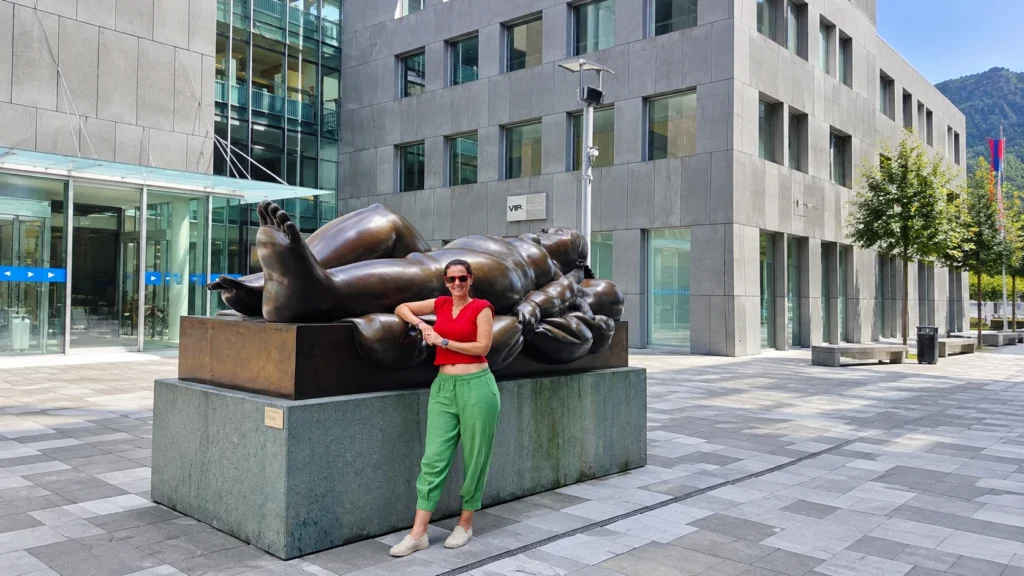
The national art museum’s black basalt-concrete building is worth a look even from the outside, and it anchors an open-air sculpture park that’s easy to miss if you’re only chasing the castle photo. Fernando Botero’s “Reclining Woman,” a monumental bronze nude right outside the museum, was the one that stopped me mid-walk for a photo.
More Things to Do: Vaduz Travel Guide Extras
Prefer to book elsewhere? Klook also covers day trips into the wider Rhine Valley region.
🏨 Where to Stay & Eat
Where to Stay
- 🧍 Budget: Landgasthof Rössle Superior, a 2-star option in nearby Schaan with bike rentals and express check-in, good for anyone treating Vaduz as a brief stop rather than a base. Hostel-style rooms are also worth checking on Hostelworld.
- 🛎️ Mid-Range: I stayed at Residence Hotel, right in the pedestrian zone below the castle hill. The location made the whole day easier, since everything worth seeing in central Vaduz was within a few minutes’ walk.
- 💎 Luxury: Hotel Gasthof Löwen, a historic property dating back to 1380, set amid vineyards just a short walk from the center.
Where to Eat
- 🧍 Budget: Café im Hof, opposite the National Museum, for a casual coffee or light lunch between sights.
- 🛎️ Mid-Range: Restaurant Adler, known for hearty Swiss classics in a rustic, wood-paneled dining room.
- 💎 Luxury: Restaurant Torkel, a Michelin-starred spot set above the Prince of Liechtenstein’s own vineyards, with terrace views over the valley.
💰 Budget: Cost & Money-Saving Tips
Cost of Traveling
Liechtenstein runs on Swiss prices, which means it isn’t a cheap detour. A coffee and pastry in central Vaduz can run CHF 8-10, and a sit-down lunch easily reaches CHF 25-35 per person. A single LIEmobil bus fare starts around CHF 2-3, with day passes available if you’re not driving. For a day trip without an overnight stay, budget roughly CHF 60-90 per person for food, transport, and museum entry, more if you add a guided tour or a special dinner.
Money-Saving Tips
- Treat Vaduz as a day trip from Switzerland or Austria rather than an overnight stay, since accommodation prices run high for what’s a very walkable, very small town.
- Many of the old town’s best sights, including the cathedral, the government quarter, and Städtle itself, cost nothing to see.
- If you’re driving in from Switzerland or Austria, remember the highway vignette requirement on the approach roads, not inside Liechtenstein itself.
- Pack a picnic lunch for Burg Gutenberg’s grounds instead of a sit-down meal: the views are free, and there’s nowhere formal to eat right at the castle anyway.
🎒 What to Pack & Good to Know
What to Pack
- Comfortable walking shoes, since the old town and castle hill both involve some uphill cobblestone.
- A light layer even in August; the Alpine air cools quickly once the sun dips behind the hills.
- Cash in Swiss Francs for smaller cafés and the passport-stamp fee at the Liechtenstein Center, since not every small vendor takes cards.
Safety, Accessibility & Etiquette
Vaduz is about as low-risk a destination as it gets: quiet streets, low crime, and a genuinely calm pace. Sidewalks and the old town are stroller- and wheelchair-friendly for the most part, though Burg Gutenberg’s grounds involve some slope and stairs. For emergencies, dial 112 (or 117 for police), the same as across the Schengen area. Travel insurance is still worth having for a multi-country road trip like this one. SafetyWing is a straightforward option that covers stops across several countries under one plan, and Klook’s travel insurance option is another way to add coverage before you go.
❓ FAQ
Do I need a separate visa for Liechtenstein if I already have a Schengen visa for Switzerland?
No. Liechtenstein doesn’t issue its own visas, and there’s no border control between the two countries, so a valid Schengen visa or visa-free entry that covers Switzerland covers Liechtenstein too.
Can I really see Vaduz in one day?
Yes, comfortably. The old town is walkable in under an hour, and with a short drive to Burg Gutenberg added in, a full day covers the capital’s main sights without feeling rushed.
Is Vaduz Castle open to visitors?
No. It’s the private residence of the Prince of Liechtenstein and isn’t open to the public, though it’s visible from most of the town below.
What currency does Liechtenstein use if it’s not part of the EU?
The Swiss Franc (CHF), not the euro. It’s a detail that catches some first-time visitors off guard given the country’s location between eurozone neighbors.
Is Liechtenstein worth visiting if I’m already in Switzerland or Austria?
If it fits naturally into your route, yes. It’s less about major attractions and more about the novelty of a walkable micro-nation with its own castle, cathedral, and stamps.
📋 Wrap-Up
Quick Summary
Here’s the short version of this Vaduz travel guide if you’re planning on the fly:
- Best time to visit: May to September for the clearest Alpine views
- Average daily budget: CHF 60-90 for a day trip (food, transport, entry fees)
- Ideal trip length: 1 day, 2 if adding Malbun or a longer hike
- Good for: road-trippers, castle collectors, anyone chasing an unusual passport stamp
Final Words
Vaduz isn’t a place you build a whole trip around, and it doesn’t need to be. It’s a stop that rewards curiosity — the kind of detour where a country the size of a neighborhood still manages a hilltop castle, its own currency quirks, and a border crossing you can walk across on an old wooden bridge. If you’re already tracing a route through the Alps, this is one of the easiest extra stamps you’ll ever add to a passport. Have you built any unexpected one-day stops into a longer road trip, and did they end up being more memorable than the planned ones?
For more real trip notes and city guides, browse the rest of the site at gotravelica.com.