Lisbon Travel Guide 2026: Trams, Tiles and a City Built on Seven Hills
🌅 Introduction & Why Go
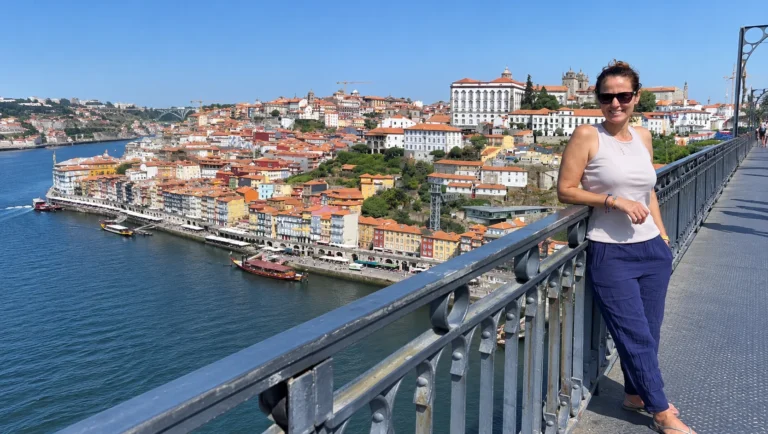
This Lisbon travel guide starts with the weather, because it decided most of my trip before I’d even landed. I arrived in September, and it did exactly what I’d hoped: warm, dry, without the crowds that fight over every photo spot in July. Come in high summer and you’ll queue for everything; come in September and the light on the tiled façades looks just as good, minus the wait. My hotel was two minutes from Rossio Square, and that turned out to be the right call before I’d even figured out the metro map.
Lisbon rewards people who like to walk and don’t mind hills. It’s a working port city as much as a postcard one, and that mix, grand squares next to laundry hanging between apartment blocks, is most of the charm. A short visit to a tourist trap or two won’t hurt, but the neighborhoods in between are where the trip actually happens.
Quick Picks: Where to Stay
- 🧍 Budget: A Partilhar Hostel, a social rooftop hostel tucked into Alfama’s alleys.
- 🛎️ Mid-Range: Lisboa Carmo Hotel, steps from Carmo Convent in walkable Chiado.
- 💎 Luxury: Avenida Palace, a 19th-century grand hotel a block off Rossio.
🧭 Practical Info: When & How to Go
Quick Facts
- Visa/entry: Turkish citizens need a Schengen short-stay visa for Portugal; this is not a visa-free destination for a Turkish passport.
- 🛂 Apply through the official Portuguese visa portal at least a few weeks ahead. Processing commonly takes 2 to 6 weeks, and you’ll need proof of accommodation and return flights.
- Language: Portuguese is the official language, but English is widely spoken across the tourist center.
- Currency: Euro (€).
- Plugs: Type C/F sockets, 230V, the same standard used in Turkey, so no adapter is needed if that’s where you’re coming from.
- Mobile & Internet: An eSIM is the simplest option for a short trip; Airalo covers Portugal with easy activation before you land.
- Transport tickets: Pick up a Navegante (Viva Viagem) card at any metro station for €0.50 and load it with pay-as-you-go credit or a day pass. Details are on the official Metro Lisboa site.
Getting There & Around
Lisbon Airport sits inside the city, and the metro’s Red Line reaches the center in under 20 minutes for under €2, which beats the Aerobus on both price and speed. Compare routes and fares on Skyscanner before you book.
Once you’re settled, walking covers the historic center fine, but the hills are real, and by day two your legs will know it. A single tram or bus ride costs around €1.90 with a loaded Navegante card, against €3.00 or more paid on board, so never pay the driver if a card is an option. A 24-hour Carris and Metro pass runs about €7.25. If you’re museum-hopping for two or three days, the Lisboa Card, from roughly €19 for 24 hours, bundles transport with free or discounted entry to the major sights.
For airport transfers with luggage, gettransfer is a simple door-to-door option. If you’re planning day trips outside the city, such as Sintra, check economybookings for rental cars.
Best Time to Visit & Trip Length
September is my honest recommendation for this Lisbon trip: the Atlantic still warms the evenings, and the summer crowds have mostly gone home. Spring works well too, for similar reasons. Three to four days is enough to cover the center and Belém without rushing; add a day if you want to fit in a Sintra day trip.
🗓️ Day-by-Day Itinerary
Day 1: Baixa and the Riverfront
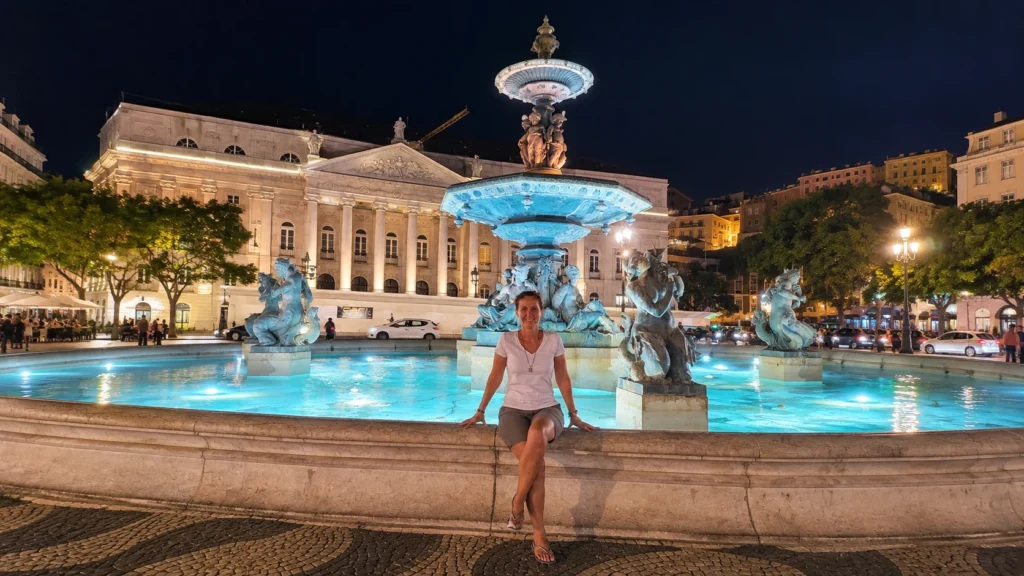
I checked into Hotel Metropole on Rossio Square and spent the first afternoon simply walking, down through Baixa’s grid of streets toward the riverside square in the city center, where the Tagus opens up and the whole city seems to exhale. That first walk along the water, with the square’s stone columns behind me, is still what I picture when I think of Lisbon’s first evening. It’s an easy, low-effort way to get your bearings before tackling anything more demanding.
Day 2: Belém
This is a half-day trip on its own, and I’d budget more time for it than you’d think you need. Belém Tower and the Jerónimos Monastery sit close enough to walk between, but both draw long lines by mid-morning.
⏰ Belém Tower reopened in 2026 after a year of renovation and now runs on timed entry with a daily visitor cap of roughly 900 people. Book a slot in advance rather than showing up and hoping.
I went early, caught the tower before the tour groups arrived, then spent a slower hour in the Monastery’s cloister. The stonework there is the kind of thing photos don’t quite capture, carved ropes and coral worked into stone arches. Save room afterward for a pastel de nata at one of the bakeries near the Monastery; it’s a cliché for a reason, and the warm, fresh version is nothing like the packaged ones sold elsewhere.
Day 3: Alfama and the Old City
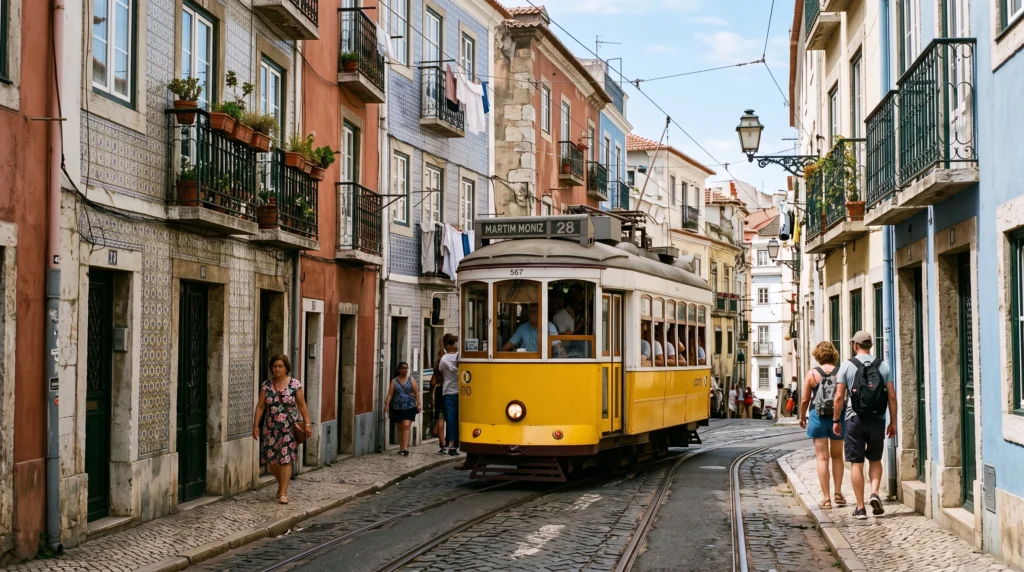
Alfama is where Lisbon feels oldest, and the best way to see it is the sunny-yellow Tram 28, which climbs through the neighborhood past São Jorge Castle and down toward the cathedral. I rode it mostly for the novelty. It really is the city’s unofficial symbol, painted onto postcards and fridge magnets everywhere you look.
⚠️ Tram 28 sees more pickpocketing than any other line in the city, especially at midday in high season. Keep bags zipped and in front of you, or ride the quieter 25E line for similar views with fewer elbows.
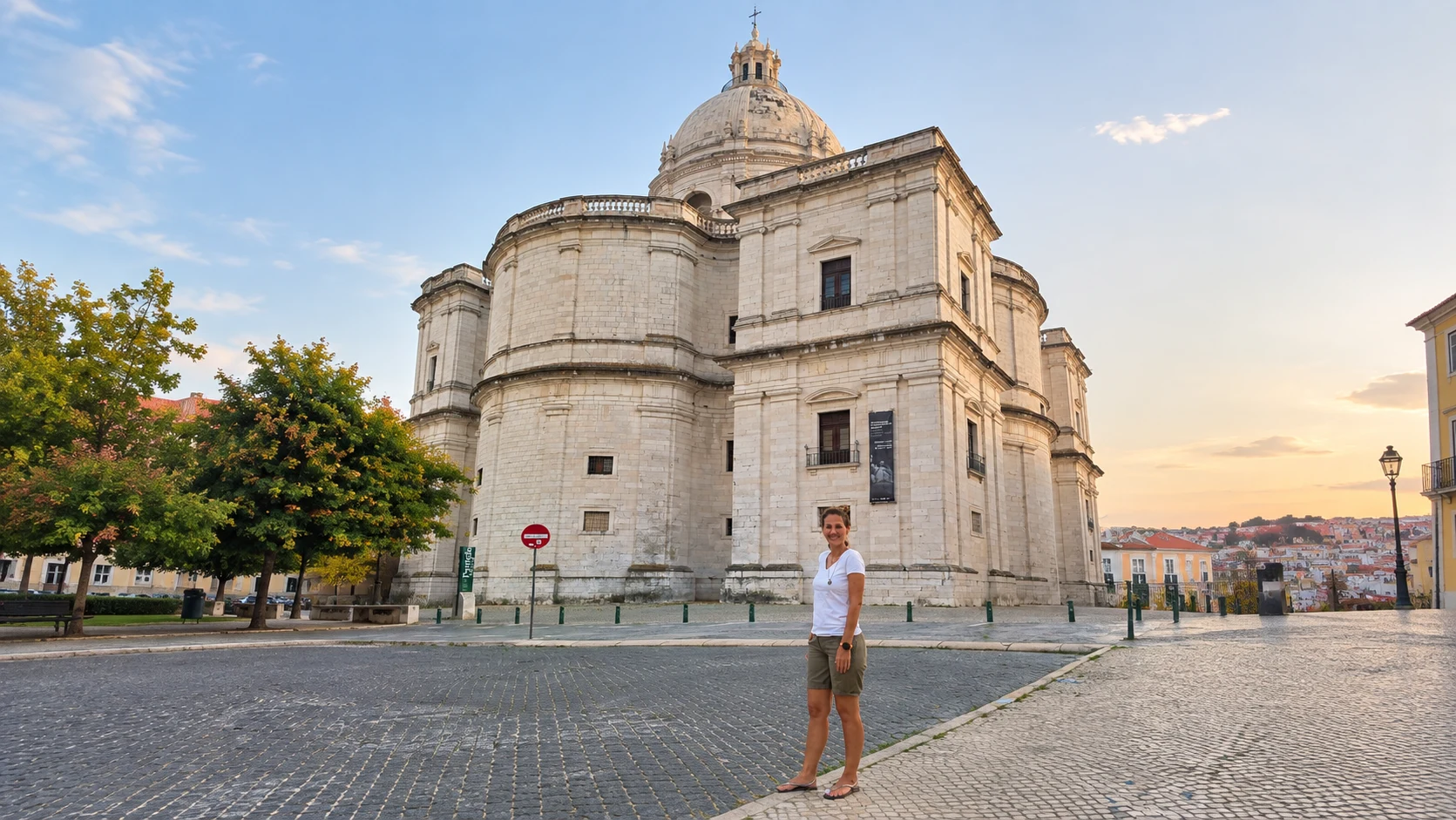
Further up the hill, past the cathedral, the walk brings you to the National Pantheon (Panteão Nacional), the white-domed former Church of Santa Engrácia in Alfama’s higher reaches. It’s an easy detour off the tram route, and the terrace circling the dome opens up one of the better sunset views over Alfama’s rooftops toward the river.
⛪ The Pantheon is open Tuesday to Sunday, 10:00 to 17:00, and closed Mondays. Entry costs around €3, but it’s free on Sunday mornings and public holidays.
I spent that evening looking for bacalhau, and found it: the salt cod turned up soft and rich under a crust of olive oil and onions, nothing like the dried, salted block it starts as. It’s Portugal’s signature dish for good reason, and Alfama’s small tascas do it better than most tourist-facing restaurants closer to the squares.
🏛️ Top Experiences & Best Places to Visit
1. Belém Tower
A 16th-century fortress on the Tagus and one of the most photographed buildings in Portugal. Climb the narrow spiral stairs for river views from the upper terrace, and book ahead given the 2026 timed-entry system.
2. Jerónimos Monastery
UNESCO-listed, and genuinely worth the entry fee for the cloister alone. The Manueline stonework, with sea creatures and ropes carved into the arches, reflects the maritime wealth that funded its construction in the 16th century.
3. Tram 28
Not a monument, but an experience: a rattling, century-old tram threading through streets barely wider than the tram itself. Ride it early morning for the quietest, most scenic run, before the tour groups fill every seat.
4. Praça do Comércio
Lisbon’s grand riverside square, open to the Tagus on one side and framed by yellow arcades on the other. It’s free, it’s central, and it’s the best spot in the city to just sit for twenty minutes and watch the ferries cross the water.
5. Alfama’s Viewpoints
The old quarter’s miradouros, including Portas do Sol and Santa Luzia, string together into a natural walking route with some of the best rooftop views in the city. Go in the late afternoon for softer light over the terracotta roofs.
🏨 Where to Stay & Eat
Where to Stay
- 🧍 Budget: HI Lisboa – Pousada de Juventude, the official youth hostel chain’s central Lisbon location. Clean, sociable, and easy on the wallet.
- 🛎️ Mid-Range: Hotel Metropole, right on Rossio Square in Baixa. This is where I stayed, and the location made every day’s plan easier; you’re a short walk from the metro, the riverfront, and the base of Alfama.
- 💎 Luxury: Memmo Alfama Hotel, a boutique property built into a 17th-century building with a rooftop bar looking out over the old city’s rooftops.
Where to Eat
- 🧍 Budget: A Merendinha do Arco Bandeira in Baixa serves honest, no-frills bacalhau at lunchtime prices. It’s closed on weekends, so plan around that.
- 🛎️ Mid-Range: Farol de Santa Luzia in Alfama is a solid choice for traditional Portuguese cooking with views over the water.
- 💎 Splurge: Solar do Castelo, tucked below São Jorge Castle, offers a more polished take on the same classic dishes; their bacalhau à brás is a standout.
🍞 The bread, olives or cheese that show up on your table unasked (the “couvert”) aren’t free. Send them back if you don’t want them, or expect a few extra euros on the bill.
💶 Budget: Cost & Money-Saving Tips
Cost of Traveling
Lisbon sits mid-range for Western Europe: cheaper than Paris or Amsterdam, pricier than most of Eastern Europe. A backpacker sharing hostel dorms and eating at tascas can manage on roughly €50 to €70 a day. Mid-range travelers, staying somewhere like Hotel Metropole and mixing casual restaurants with the occasional nicer dinner, should plan for €100 to €150 a day. Luxury travel, with five-star hotels, tasting menus and private tours, runs €300 and up.
Money-Saving Tips
- Skip Tram 28 for actual transport and take bus 737 instead: same neighborhoods, fewer crowds, no premium fare hassle.
- Load your Navegante card with zapping credit rather than buying single paper tickets; the per-ride price drops noticeably.
- Eat lunch at a tasca instead of dinner. The same dishes often cost less at midday.
- Book Belém Tower and Jerónimos tickets online before you go; the 2026 timed-entry system doesn’t leave much room for a walk-up plan.
- The Lisboa Card only pays off if you’re hitting several paid sights a day. For a slower trip, a loaded Navegante card works out cheaper.
- Compare hostel rates directly on Hostelworld before booking through a hotel site.
🎒 What to Pack & Good to Know
What to Pack
- Comfortable, grippy walking shoes. The cobblestones and hills are unforgiving on flat soles.
- A light layer for evenings; September days are warm, but the wind off the Tagus cools things down fast after sunset.
- A crossbody bag you can keep zipped and in front of you, especially for Tram 28.
- Travel insurance sorted before you go; SafetyWing is a straightforward option for short trips.
Safety, Accessibility & Etiquette
Lisbon is a genuinely safe city to walk around, day or night, in the tourist center. The main risk is pickpocketing on crowded trams and in ticket queues, not violent crime. The historic quarters, Alfama especially, are steep, cobbled, and largely unsuited to wheelchairs or strollers; Baixa and the riverfront are flatter and far more accessible.
Emergency number: 112, which works across the EU.
❓ Lisbon Travel Guide FAQ
Do I need to book Belém Tower tickets ahead of time?
Yes, since the 2026 reopening. It now runs on timed slots with a daily visitor cap, and walk-up entry isn’t guaranteed, especially on weekends.
Is Tram 28 actually worth riding, or is it just for tourists?
It’s touristy, crowded, and a magnet for pickpockets, and it’s still worth doing once, early in the morning before the crowds build. Just watch your bag the whole ride.
How many days do I need for Lisbon and Belém together?
Three days covers the center and a full Belém half-day comfortably. Add a fourth day if you want to slow down or fit in a Sintra day trip.
Is Portuguese food heavy on seafood if I don’t eat fish?
Bacalhau is everywhere on menus, but Lisbon’s kitchens also lean on grilled meats, feijoada (bean stew), and plenty of vegetable-based petiscos, so non-fish eaters won’t struggle to find something.
Is Lisbon walkable, or should I plan for a lot of transit?
The historic center is compact and very walkable, but the hills add up. Mixing walking with the tram and metro for the steeper stretches, especially up to Alfama, makes for a much easier few days.
📋 Wrap-Up
Quick Summary
- Best time to visit: September, warm with fewer crowds
- Average daily budget: €100–150 (mid-range)
- Ideal trip length: 3–4 days
- Good for: first-time visitors, walkers, food lovers
Final Words This Lisbon travel guide comes out of a fairly simple rhythm: walk, ride the tram, eat something with bacalhau in it, and repeat. The city doesn’t try hard to impress you; it just keeps doing what it’s always done, and lets the tiled streets and river light do the work. If you’re mapping out your own days here, what matters more to you: ticking off Belém’s big sights early, or leaving room to just wander Alfama without a plan?
For more real trip notes and city guides, browse the rest of the site at gotravelica.com.