
Buenos Aires Travel Guide 2026: Jacaranda Avenues & Tango Nights
Introduction & Why Go
Stepping out of Ezeiza Airport into the humid summer air of late January 2023, my first encounter with Buenos Aires felt like an invigorating cross between Madrid’s grandeur and Naples’ uninhibited grit. Two goals brought me to Argentina: wandering the broad, jacaranda-lined avenues of the capital, and catching a flight north to see the thunderous torrents of Puerto Iguazú from the Argentine side.
Buenos Aires pulls you in instantly with the melancholic strains of street tango in San Telmo, the rich aroma of charcoal from neighborhood parrillas, and grand European architecture. When I returned in 2026, the city’s charm had barely shifted, though its economic rhythm had evolved significantly. Whether you come for world-class beef, historic plazas, or a quick ferry hop across the Rio de la Plata to Uruguay, Buenos Aires rewards travelers who explore it on foot and with an open appetite.
Quick Picks:
- 🧍 Budget: America Del Sur Hostel – in San Telmo, family- and backpacker-friendly
- 💰 Mid-Range: Tango de Mayo Hotel – on Avenida de Mayo, rooftop bar
- 🛎️ Luxury: Palacio Duhau Park Hyatt – in Recoleta, a palatial property with sprawling gardens
📋 Quick Facts Before You Go
- Visa & Entry Requirements: Citizens from the US, Canada, EU, UK, Australia, and New Zealand generally do not need a visa for tourist stays under 90 days. Carry a passport valid well beyond your entry date, and confirm current conditions on the official Dirección Nacional de Migraciones portal before you fly.
- Language: Spanish (Rioplatense Spanish, marked by distinctive local slang and the voseo form).
- Currency: Argentine Peso (ARS).
- Plugs & Electricity: Types C and I (220V / 50Hz). Pack a universal adapter.
- Mobile & Internet: Local SIM cards require passport registration in-store. For instant connectivity on arrival, set up an eSIM beforehand through Airalo or Holafly.
- Transport Card: Grab a SUBE card to ride the Subte (metro) and city buses (colectivos). Any Subte station or local kiosk sells them.
📌 2026 Visa & Entry Warning: Argentina still offers visa-free entry to travelers from over 80 countries, but South American entry policies and border fees can shift with little notice. Double-check the official embassy portal for your nationality before booking flights.
🚆 Getting There & Getting Around
How to Get There
Two airports serve Buenos Aires. Ezeiza International Airport (EZE) handles long-haul international flights, while Aeroparque Jorge Newbery (AEP) sits inside the city along the waterfront and covers domestic and short regional routes. Flights north to Puerto Iguazú depart from Aeroparque. Compare routes on Skyscanner to find well-timed connections across local carriers.
Airport Transfers
From Ezeiza, the city center sits roughly 30 to 45 kilometers away depending on traffic.
- Official Airport Taxis / Remises: Manuel Tienda León runs reliable shared buses and private cars from the arrival hall straight to downtown.
- Rideshare Apps: Uber and Cabify cover the city widely and charge transparent, fixed-rate fares.
Getting Around the City
Buenos Aires is best explored on foot within individual neighborhoods, though distances between districts add up quickly.
- Subte (Metro): Six lines (A through E and H) connect the core efficiently. Tap your SUBE card at the turnstile for a low, flat fare.
- Colectivos (City Buses): Buses run 24/7 across thousands of routes. Tell the driver your destination neighborhood when you tap your SUBE card so the correct fare zone applies.
- Rideshare & Taxis: Black cars with yellow roofs wait on most corners. Confirm the driver resets the meter at pickup, or default to rideshare apps for cash-free, trackable rides.
☀️ Buenos Aires Travel Guide: Best Time to Visit & Trip Length
Seasonal Overview
- Spring (October–December): The best weather of the year. Purple jacaranda blossoms line the avenues, daytime temps sit around 20°C–25°C, and rain stays light.
- Summer (January–February): Hot and humid, often 30°C–35°C. Many locals head to the coast, so downtown quiets down. My first trip landed in this stretch, in late January.
- Autumn (March–May): Cool air, golden leaves, and easy conditions for walking tours.
- Winter (June–August): Crisp, overcast days around 8°C–15°C — good weather for museums, tango halls (milongas), and long steakhouse dinners.
Recommended Length
Budget 4 to 5 full days to cover the core barrios, museums, and food scene at a comfortable pace. Add a Uruguay day trip or a short hop to Puerto Iguazú, and plan for 7 to 8 days total.
🗓️ Day-by-Day Itinerary: 4 Days in Buenos Aires
Day 1: Historic Core & Waterfront Elegance
Morning: Start at Plaza de Mayo, the political heart of Argentina. Take in the pink facade of the Casa Rosada, then step inside the solemn Catedral Metropolitana before walking west down Avenida de Mayo toward the Congress building.
Afternoon: Head into Puerto Madero, the city’s renovated dockside district. Cross Santiago Calatrava’s striking Puente de la Mujer and grab lunch along the brick warehouse promenades.
Evening: Cross into historic San Telmo, wander its cobblestone streets, and settle in for an early glass of local Malbec at a neighborhood bodega.
Day 2: Recoleta’s Elegance & Palermo’s Vibe
Morning: Visit Recoleta Cemetery, a maze of ornate marble mausoleums that includes Eva Perón’s family tomb. Next door, tour Nuestra Señora del Pilar church, then step into El Ateneo Grand Splendid — a former theater turned into one of the world’s grandest bookstores.
Afternoon: Stroll north through Palermo Soho and Palermo Hollywood, past tree-lined streets packed with boutiques, murals, and specialty coffee shops.
Evening: Book a table at a neighborhood parrilla for a proper Argentine steak dinner.
Day 3: Color in La Boca & Evening Tango
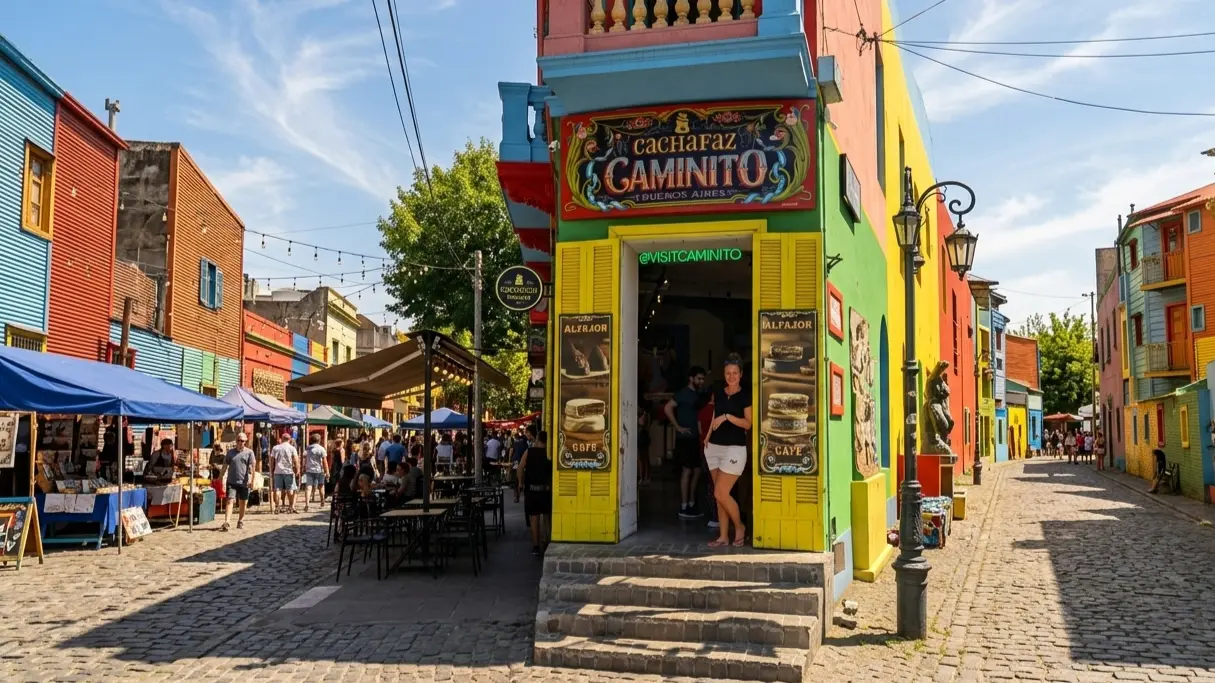
Morning: Take a short taxi to La Boca and stroll Caminito, an open-air pedestrian street lined with painted metal houses and live tango dancers. Stick to the marked tourist pathways here for safety.
Afternoon: Head back toward central Buenos Aires for a guided tour of Teatro Colón, consistently ranked among the world’s finest opera houses for its acoustics.
Evening: Catch a traditional tango dinner show — these fill up fast in high season and are easiest to lock in ahead of time through GetYourGuide — or visit an authentic local milonga in San Telmo such as Maldita Milonga.
Day 4: Day Trip to Uruguay (Colonia del Sacramento)
Full Day: Take an early ferry across the Rio de la Plata to Colonia del Sacramento, Uruguay — a UNESCO World Heritage site with tranquil cobblestone alleys, Portuguese-era fortifications, and vintage cars parked under bougainvillea. The crossing takes roughly 1 hour and 15 minutes each way. Head back to Buenos Aires by evening.
🌟 Top Experiences & Best Places to Visit
1. Explore Colonia del Sacramento (UNESCO World Heritage Site)
Crossing an international border for a day trip from Buenos Aires turns out to be remarkably simple. A ferry ticket and a few hours are all it takes to step into Colonia’s Barrio Histórico, a quarter that feels completely removed from the bustle across the river. Many travelers book a combined crossing-plus-guided-tour package — something like a “Colonia Ferry Tickets and Optional Tour” — through GetYourGuide, which bundles the ferry with a walking tour of the historic quarter. Climb the 19th-century lighthouse for panoramic views, walk historic Calle de los Suspiros, and linger over lunch by the water.
Most visitors cross into Uruguay on a Colonia Ferry Tickets and Optional Tour rather than arranging the ferry and walking tour separately — just remember to bring your passport, since this leg crosses an international border.
Practical Tip: Bring your passport for immigration control at the Buenos Aires ferry terminal (Buquebus or Colonia Express), and arrive 1.5 hours before departure.
2. Witness the Grandeur of El Ateneo Grand Splendid
Set inside a preserved 1919 theater with frescoed ceilings, velvet stage curtains, and ornate balconies, El Ateneo regularly lands on lists of the most beautiful bookstores anywhere. The old stage now holds a café, so you can sip coffee while you read.
Practical Tip: Arrive shortly after the 10:00 AM opening to photograph the interior before the afternoon crowds fill in.
3. Experience a Traditional Parrilla Dinner
No trip to Argentina skips the ritual of asado. Argentine beef is famous for good reason — tender, charcoal-grilled, and full of flavor. Order classic cuts like ojo de bife (ribeye) or bife de chorizo (sirloin), paired with chimichurri sauce and a bottle of Mendoza Malbec.
Practical Tip: Dinner starts late here. Most traditional steakhouses open at 8:00 PM, and locals typically show up after 9:30 PM.
4. Wander Recoleta Cemetery
Recoleta Cemetery feels more like a city of the dead than a standard graveyard, packing over 4,600 above-ground vaults into styles ranging from Art Deco to Neo-Gothic.
Practical Tip: Buy your foreign-visitor ticket by card at the entrance desk, and set aside 1.5 to 2 hours to track down Eva Perón’s family tomb.
5. Take a Flight to Puerto Iguazú (Argentina Side)
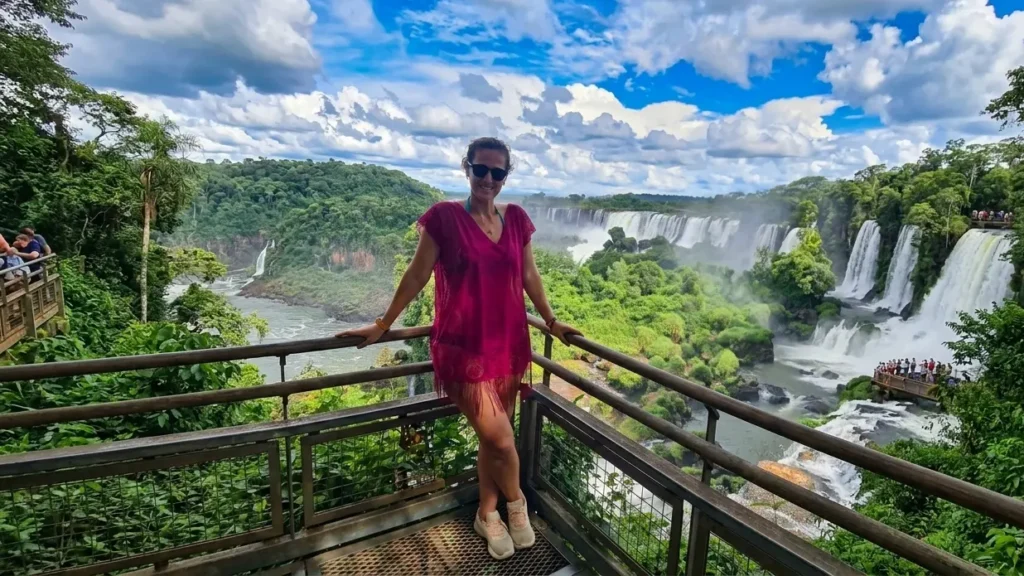
Though it sits well outside the city limits, Buenos Aires works as the natural springboard for visiting the jaw-dropping Iguazú Falls. A domestic flight from Aeroparque (AEP) to Puerto Iguazú (IGR) puts you directly at one of the world’s great natural wonders, with walkways that run above and beneath the roaring cascades, including the trail to the Garganta del Diablo.
Practical Tip: Book domestic flights early, and stay at least two full nights in Puerto Iguazú to cover the park trails without rushing.
🏨 Where to Stay
Choosing the right neighborhood depends on your travel style and safety priorities:
- Microcentro / San Telmo (Central & Accessible): Great for first-time solo travelers who want to walk to major sights and subway hubs.
- Palermo Soho / Hollywood (Trendy & Nightlife): Suits digital nomads, boutique shoppers, and late-night diners.
- Recoleta (Classic & Upscale): Quiet, safe, and lined with elegant European architecture and parks.
- For budget/solo travelers, Parla Hostel in Microcentro/Downtown offers outstanding value, a central location, and clean social spaces.
- Mid-range travelers can book the Sileo Hotel in Recoleta for comfortable suites near Recoleta Cemetery and its parks.
- For luxury, the Alvear Palace Hotel in Recoleta delivers Belle Époque grandeur with world-class service.
As a solo traveler prioritizing accessibility and value, I booked Parla Hostel in central Buenos Aires just a few days before arrival. It delivered an exceptional price-to-performance ratio — clean, safe, close to subway connections, and surrounded by affordable places to eat — and worked as an ideal basecamp for daily city walks. If you’d rather compare hostel options directly, Hostelworld is worth a browse for Buenos Aires’ budget scene.
📍 Find and compare available accommodations in Buenos Aires across interactive city maps on Booking.com.
🍷 Where to Eat
Buenos Aires earns its reputation as a culinary destination by blending Italian heritage with South American barbecue traditions.
- Don Julio (Palermo Soho, Luxury) – Michelin-starred classic parrilla, known for ojo de bife.
- El Sanjuanino (Recoleta, Budget) – traditional baked empanadas and locro.
- Café Tortoni (Monserrat/Central, Mid-range) – historic 1858 cafe serving churros with dulce de leche.
- La Brigada (San Telmo, Mid-range) – a classic neighborhood steakhouse where steak is famously cut with a spoon.
Don Julio (Palermo Soho): Regularly ranked among South America’s best restaurants, with dry-aged steaks and a serious wine cellar. Book months ahead.
El Sanjuanino (Recoleta): Known for piping-hot empanadas — try the carne suave — alongside hearty northern stews.
Café Tortoni (Monserrat): Argentina’s oldest active coffeehouse. Step in for hot chocolate and churros under stained glass and brass fixtures, and check current reviews and hours on TripAdvisor before you go.
💰 Buenos Aires Travel Guide: 2026 Costs & Budget Rules
Understanding what a trip to Argentina actually costs starts with the local exchange rate, which has moved a lot since my first visit.
Back in January 2023, Argentina ran a dual exchange system: an official bank rate and a much stronger parallel informal rate, often called the Blue Dollar. Changing physical US dollars at that informal rate gave foreign visitors extraordinary purchasing power — daily dining out, premium steak, and fine Malbec every evening felt remarkably cheap.
Returning in 2026, that gap has narrowed sharply after several rounds of economic reform and inflation adjustment. Argentina still costs less than North America or Western Europe, but it no longer counts as a rock-bottom budget destination — dining, hotel, and transport prices now sit closer to international norms.
| Daily Expense Category | Budget Traveler | Mid-Range Traveler | Luxury Traveler |
|---|---|---|---|
| Accommodation | $15 – $25 USD (Hostel bed) | $60 – $120 USD (3/4-star hotel) | $250+ USD (5-star hotel) |
| Meals & Dining | $10 – $18 USD | $30 – $55 USD | $100+ USD |
| Public Transport | $1 – $3 USD | $5 – $12 USD (Taxis/Uber) | $25+ USD (Private transfers) |
| Activities & Tours | $5 – $15 USD | $25 – $50 USD | $100+ USD |
| Estimated Daily Total | $31 – $61 USD | $121 – $237 USD | $475+ USD |
💡 Money-Saving Tips
- Use a SUBE card for public transport: Subte and colectivo rides cost a fraction of taxi fares, often under $0.50 USD per trip.
- Seek out lunch specials (menú del día): Executive cafes across Microcentro serve 2-course lunches with a drink and espresso for around $6–$9 USD.
- Skip airport currency kiosks: Their spreads run unfavorable. Cover your first airport ride by app or official desk, then exchange money or withdraw cash once you’re in the city center.
- Take advantage of free museum days: Major museums, including the Museo Nacional de Bellas Artes, offer free or near-free entry on specific days.
- Book Uruguay ferry tickets early: Reserving Colonia del Sacramento crossings weeks ahead directly with Buquebus or Colonia Express can save up to 30% versus last-minute terminal tickets.
🎒 What to Pack
- Comfortable footwear: Stone sidewalks add up fast — bring sturdy, broken-in walking sneakers.
- Universal travel plug adapter: Argentina runs on Type I angled two-prong outlets, though some newer hotels offer dual Type C/I sockets.
- Lightweight, breathable clothing: Visiting between December and March means packing light linen or cotton for the heat and humidity.
- A filtered water bottle: Keeps hydration fresh-tasting through long days of walking.
- A crossbody anti-theft bag: Protects your phone, wallet, and passport on crowded metro rides and at markets.
If you’re still assembling your kit, Travelpayouts’ travel-gear partners carry adapters, packable daypacks, and other trip essentials worth comparing before you leave.
🛡️ Good to Know: Safety, Accessibility & Etiquette
Safety & Emergency Numbers
Buenos Aires runs safer than many Latin American capitals, though opportunistic petty theft and phone snatching happen in crowded areas.
- Emergency Services: Dial 911 for police and medical emergencies.
- Phone Safety: Keep your phone tucked away rather than held loosely near open bus windows or on busy sidewalks — motorbike snatchers (motochorros) move fast in high-traffic zones.
- La Boca Caution: Stay within the marked tourist zone around Caminito, and avoid quiet side streets there or around Retiro station at night.
- Travel Insurance: Delays and lost luggage happen anywhere. Locking in travel insurance through SafetyWing before departure buys real peace of mind.
Local Etiquette
- Greeting: A light kiss on the right cheek is standard when locals introduce themselves.
- Tipping: Leave around 10% in cash for good table service (propina) — it’s customary here.
- Dining Hours: Lunch runs 1:00 PM to 3:00 PM; dinner rarely starts before 8:30 PM. Plan your day around it and the trip flows much more smoothly.
❓ Frequently Asked Questions (FAQ)
Is Buenos Aires safe for solo travelers?
Yes. Buenos Aires ranks among South America’s most welcoming cities for solo travel. Stick to central, well-lit districts like Palermo, Recoleta, or Microcentro, use registered taxis or rideshares at night, and keep your belongings secure.
Is it easy to cross from Buenos Aires to Uruguay for a day trip?
Very easy. Direct ferries cross the Rio de la Plata daily from the Puerto Madero terminal to Colonia del Sacramento in about 1 hour and 15 minutes — just clear passport control before boarding.
Is Buenos Aires still cheap to visit in 2026?
Argentina was exceptionally inexpensive for foreign-currency holders during the dual-exchange-rate era of 2023. National economic reforms since then have largely equalized exchange rates, so the city now sits at standard international mid-range pricing rather than ultra-budget territory.
Can I drink tap water in Buenos Aires?
Tap water is generally considered safe in major hotels and urban establishments. That said, many visitors still opt for bottled or filtered water given the high mineral content and variable pipe conditions in older buildings.
Quick Summary Box
- Best time to visit: October to April (Spring & Summer)
- Average daily budget: $31 – $61 USD (Budget) / $121 – $237 USD (Mid-range)
- Ideal trip length: 4 to 5 days (plus 1-2 days for Iguazú Falls or a Uruguay day trip)
- Good for: Solo travelers, foodies, culture seekers, and digital nomads
🚁 Drone Usage & Rules
Argentina regulates all drone flights through ANAC (Administración Nacional de Aviación Civil) under its 2025 RAAC 100/101/102 framework, which classifies flights by risk level and requires registration for most drones. Check ANAC’s official drone page before you fly: argentina.gob.ar/anac/nuevo-marco-normativo-para-la-operacion-de-drones
🏁 Final Words
Buenos Aires wins you over through its grand architecture, deep tango heritage, and unforgettable food. From historic cafes and sprawling cemeteries to a quick ferry hop into Uruguay’s cobblestone towns, it blends South American energy with European flair in a way few cities manage.
Have you visited Buenos Aires recently, or are you planning your first trip south? What surprised you the most about Argentina? Share your questions and experiences in the comments below!
We hope this Buenos Aires travel guide helps you plan an unforgettable trip to Argentina!
Discover More Destinations
Loved this guide? Click here to explore our other travel guides and start planning your next trip!