
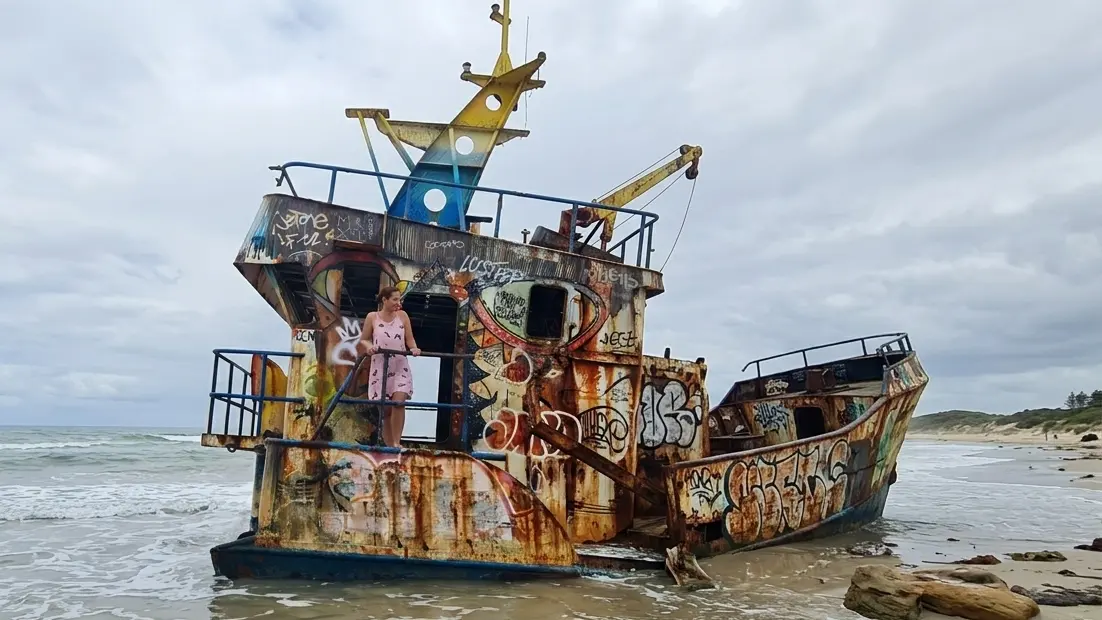
Costa Rica Travel Guide 2026: Pura Vida, Wildlife & National Parks
Introduction & Why Go
Welcome to this Costa Rica travel guide — before I even landed, one phrase kept popping up everywhere in my research: ‘Pura Vida.Sure, it literally means ‘Pure Life,’ but to the locals (Ticos), it’s way more than that—it’s an entire way of life.
Honestly, I was a bit skeptical at first. Costa Rica famously abolished its military in 1948, formalizing the decision in its 1949 constitution. Coming from a world where safety is usually measured by security presence, I kept asking myself: how can a country with no standing army be one of the safest in Central America? Would driving at night actually be safe?
When my flight landed after dark, those nerves definitely kicked in. I picked up my rental car, started the engine, and merged onto a pitch-black highway heading toward the Caribbean coast. Driving down long, dimly lit roads at night had my anxiety spiking — but as soon as the sun rose the next morning at Cahuita National Park, everything shifted.
Walking along a coastal trail with wild monkeys swinging overhead, sloths napping in the trees, and the ocean breeze on my face, the energy of the country wrapped right around me. The long night drive, the initial hesitation, the fear of the unknown — it all evaporated. I took a deep breath and thought: I am so glad I came.
(Note: the route covers three regions — La Fortuna/Arenal, Monteverde, and Cahuita. Quick Picks is built around La Fortuna, the trip’s first and main stop.)
Quick Picks:
- 🧍 Budget: Arenal Backpackers Resort – bills itself as a “five-star hostel,” pool and volcano views
- 💰 Mid-Range: Arenal Manoa & Hot Springs Resort – hot-springs property, spread-out grounds
- 🛎️ Luxury: Nayara Gardens – private, award-winning luxury hot-springs resort
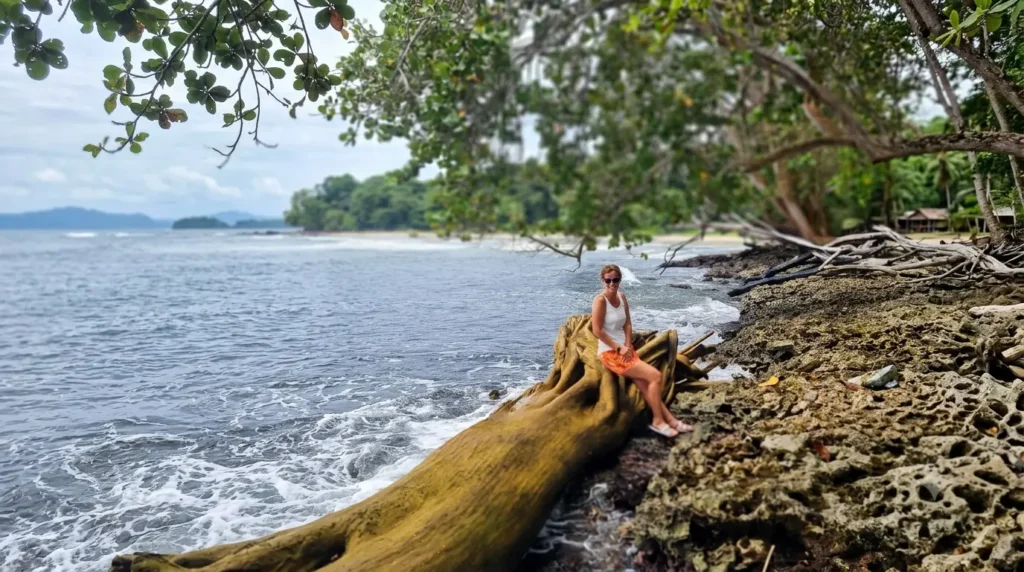
Why Visit Costa Rica?
Costa Rica isn’t just a destination — it’s an instant reset for your mind and body. If you’re deciding whether to book that ticket, here’s why this tropical paradise belongs at the top of your 2026 travel list:
- 🐒 Unmatched biodiversity — Home to roughly 5% of the world’s biodiversity, you’ll spot sloths, toucans, capuchins, and tree frogs in their natural habitat.
- 🌋 Diverse landscapes — Stand at the base of an active volcano in the morning and relax on a black-sand beach by sunset.
- 🏄♂️ The Pura Vida vibe — Locals are warm, welcoming, and relaxed. The atmosphere instantly eases travel anxiety.
- 🌿 Eco-tourism leader — More than 25% of the country’s land is protected as national parks and reserves.
Getting to Costa Rica: Airports & Transportation
Which Airport Should You Fly Into?
Costa Rica has two main international gateways:
- Juan Santamaría International Airport (SJO), San José — best for Arenal, Monteverde, and the Caribbean coast (Cahuita, Puerto Viejo).
- Daniel Oduber Quirós International Airport (LIR), Liberia — best if you’re heading straight to the Guanacaste beaches and the Nicoya Peninsula.
Renting a Car vs. Shuttles
- 🚘 Renting a car: A 4WD/4×4 SUV is highly recommended if your route includes Monteverde or remote coastal roads. Comparing rates and coverage across providers on Discover Cars is a fast way to confirm mandatory insurance requirements before you sign, since Costa Rica’s rules differ from what many drivers are used to at home.
- 🚌 Shuttles: Shared shuttles (like Interbus) are a comfortable, safe alternative if you’d rather not drive on unpaved roads — routes and seat availability for many of these shuttle networks can also be checked and booked ahead through 12Go.
⚠️ Pro tip: Avoid long night drives right after landing. Mountain roads can be foggy, unlit, and poorly marked. If possible, schedule your arrival for daytime, or spend your first night near the airport before setting out.
Best Time to Visit Costa Rica
- Dry season (December–April): Bright sunshine, dry trails, ideal beach weather — the most popular time to visit.
- Green season (May–November): Lush rainforests and lower prices, but expect afternoon showers.
Ideal trip length: 7 to 10 days is the sweet spot for experiencing volcanoes, cloud forests, and beaches without feeling rushed.
7-Day Costa Rica Itinerary
Day 1 — Arrival in San José & Drive to La Fortuna Pick up your rental car at SJO. Drive to La Fortuna (about 3 hours). Unwind from the journey by soaking in natural volcanic hot springs under the stars.
Day 2 — Arenal Volcano & Mistico Hanging Bridges Morning: hike through Mistico Arenal Hanging Bridges Park to spot wildlife in the canopy. Afternoon: walk the old lava trail at Arenal Volcano National Park. Evening: try a traditional casado at a local soda (family-run restaurant).
Day 3 — Journey to the Cloud Forest (Monteverde) Drive around Lake Arenal toward Monteverde (about 3.5–4 hours; 4WD recommended for the unpaved stretches). In the evening, join a guided night walk to spot nocturnal creatures like glass frogs, tarantulas, and sleeping birds.
Day 4 — Zip-Lining & Monteverde Cloud Forest Reserve Morning: hike the misty trails of the Monteverde Cloud Forest Reserve. Afternoon: try a canopy zip-line tour above the treetops — Monteverde’s operators can be compared and booked in advance through GetYourGuide instead of negotiating on the spot.
Day 5 — Scenic Route to Cahuita & the Caribbean Coast Head to the Caribbean side (roughly 6–7 hours, since the route typically loops back through the Central Valley — plan this as a full travel day rather than a quick transfer). Arrive in the laid-back town of Cahuita or Puerto Viejo. Enjoy Caribbean-style coconut chicken and reggae rhythms by the beach.
Day 6 — Cahuita National Park Wildlife Safari Morning: walk the coastal trail of Cahuita National Park, keeping an eye out for white-faced capuchins, howler monkeys, and sloths right beside the trail. Afternoon: swim at Playa Blanca and snorkel near the protected coral reef.
Day 7 — Puerto Viejo & Return to San José Morning bike ride to Playa Punta Uva and a fresh smoothie bowl. Allow roughly 4 hours to drive back to San José (SJO) in time for your flight home.
Top Places to Visit in Costa Rica
- 🌋 Arenal Volcano & La Fortuna Waterfall — Iconic volcano views paired with a 70-meter waterfall hidden in the jungle.
- ☁️ Monteverde Cloud Forest — High-altitude forest permanently shrouded in mist, with exceptional biodiversity.
- 🦥 Cahuita National Park — A coastal park on the Caribbean side where wildlife roams freely right along the beach trails.
What to Eat in Costa Rica
Look for local eateries called sodas — they serve authentic, delicious, budget-friendly meals.
Must-try dishes:
- Gallo Pinto — the traditional breakfast of rice and black beans, seasoned with Salsa Lizano.
- Casado — a hearty lunch plate of rice, beans, plantains, salad, and your choice of protein.
Where to Stay
- In La Fortuna, look for eco-lodges with Arenal views or hotels with built-in hot springs, like Tabacón or Nayara, plus budget-friendly hostels in town.
- In Monteverde, cozy, rustic mountain lodges nestled in the forest are the way to go.
- In Cahuita/Puerto Viejo, eco-cabins, boutique beach bungalows, or open-air hostels just steps from the waves are popular options.
Whichever region you land in, most of these lodges and hostels list live availability and guest reviews on Booking.com — worth a quick compare before you commit, especially in La Fortuna, where hot-spring access varies a lot from property to property.
Staying Connected: eSIM & SIM Cards
Get an eSIM before landing (via Airalo or Holafly), or buy a prepaid SIM card at the airport (Kolbi or Claro) for reliable navigation with Waze or Google Maps.
Costa Rica Safety Tips for Travelers
Costa Rica is considered one of the safest countries in Latin America, but a few basic precautions will keep your trip smooth:
- 🚫 Never leave valuables in the car — Break-ins do happen at popular beach turnouts and park entrances. Don’t leave luggage visible inside the vehicle.
- 🌊 Watch for rip currents — Both Pacific and Caribbean currents can be strong. Check for warning flags before swimming.
- 🛣️ Avoid mountain roads at night — Sudden fog, heavy rain, and a lack of street lighting make after-dark driving risky.
- 🛡️ Get travel insurance before you fly — with an active volcano, zip-lines, and remote mountain roads all on the itinerary, locking in a policy through SafetyWing before departure is worth the five minutes it takes.
Best Photo Spots & Drone Rules
Top photo spots:
- La Fortuna Waterfall — capture the emerald pool from the base of the stairs.
- Mistico Hanging Bridges — frame a shot from the middle of a bridge suspended in the jungle canopy.
- Punta Uva Beach — coconut trees leaning toward turquoise Caribbean water.
Drone rules in Costa Rica: Drones are legal for recreational use, but restrictions apply:
- ❌ No flying inside national parks (e.g., Cahuita, Manuel Antonio, Arenal) without a commercial permit.
- ❌ No flying within 8 km (5 miles) of airports or government buildings.
- ✅ Always ask permission before flying at private resorts or farms.
Costa Rica Trip Budget: 7 Days for 2 People
- Accommodation (6 nights, eco-lodges & boutique hotels): $600–$900
- Food & dining (mix of local sodas & casual restaurants): $350–$500
- Transportation (4WD car rental, mandatory insurance & gas): $450–$650
- Activities & park fees (national park entries, hanging bridges, thermal baths): $200–$350
- eSIM & extras (data packs & souvenirs): $50–$80
- Total (estimated): $1,650–$2,480 (excluding international flights)
Save These Spots to Google Maps
- Juan Santamaría International Airport (SJO)
- Arenal Volcano National Park entrance
- Mistico Arenal Hanging Bridges Park
- Tabacón Thermal Resort & Spa
- Monteverde Cloud Forest Reserve
- Cahuita National Park Visitor Center
- Playa Punta Uva, Puerto Viejo
Official Resources
- 🏛️ Official Tourism Board: Visit Costa Rica (ICT)
- 🌲 National Parks Booking System: SINAC Official Site
- ✈️ San José Airport Info: SJO Airport Official
FAQ: Costa Rica Travel Guide 2026
Do I need a 4×4 vehicle in Costa Rica? Main highways are paved, but a 4WD vehicle is highly recommended if your itinerary includes Monteverde, rural areas, or off-the-beaten-path beaches.
Is the water safe to drink? In most of Costa Rica, tap water is safe to drink. In remote rural areas or smaller Caribbean villages, stick to filtered or bottled water.
What currency should I bring? The official currency is the Costa Rican Colón (CRC), but US dollars are widely accepted in tourist areas, and credit cards work in almost all hotels and major restaurants.
Are bugs and mosquitoes a problem? Since you’ll be visiting tropical rainforests, yes. Pack a strong eco-friendly insect repellent, light long pants for evening walks, and sunscreen.
Is language a barrier if I don’t speak Spanish? Not really. Basic Spanish phrases (Hola, Gracias, Pura Vida!) are appreciated, but most people in the tourism sector speak fluent English.
We hope this Costa Rica travel guide inspires your next tropical adventure!
Discover More Destinations
Loved this guide? Click here to explore our other travel guides and start planning your next trip!