

Cape Town Travel Guide 2026: Penguins, Wine & Table Mountain
Introduction & Why Go
When I planned my Cape Town trip, I only had two things on my mind: seeing penguins and tasting wine in the vineyards. During my research, I kept coming across the same warning — explore mainly during daylight, because evenings in some areas can be riskier. Even locals told me to watch my bag while walking around, and it made me genuinely more alert.
I was also hesitant about renting a car, since driving is on the opposite side here. But once we adjusted, we had an incredible week — and because we had a car, we made it all the way to Cape Point / Cape of Good Hope, ticking off that “end of the map” feeling I’d been chasing since booking the trip.
Cape Town is one of South Africa’s most iconic cities: cold Atlantic winds on one side, the dramatic silhouette of Table Mountain on the other. Coastal walks, colorful neighborhoods, sunset viewpoints, wine lands nearby, marine life, quick escapes into nature — it works whether you’re backpacking or splurging.
When I planned my Cape Town trip, I only had two things on my mind: seeing penguins and tasting wine in the vineyards. During my research, I kept coming across the same warning — explore mainly during daylight, because evenings in some areas can be riskier. Even locals told me to watch my bag while walking around, and it made me genuinely more alert.
I was also hesitant about renting a car, since driving is on the opposite side here. But once we adjusted, we had an incredible week — and because we had a car, we made it all the way to Cape Point / Cape of Good Hope, ticking off that “end of the map” feeling I’d been chasing since booking the trip.
Cape Town is one of South Africa’s most iconic cities: cold Atlantic winds on one side, the dramatic silhouette of Table Mountain on the other. Coastal walks, colorful neighborhoods, sunset viewpoints, wine lands nearby, marine life, quick escapes into nature — it works whether you’re backpacking or splurging.
Quick Picks (Where to Stay):
- 🧍 Budget: Long Street Backpackers – central, lively
- 💰 Mid-Range: Cape Town Hollow Boutique Hotel – City Bowl, facing Company’s Garden
- 🛎️ Luxury: Cape Grace – at the V&A Waterfront, marina views
WHY GO?
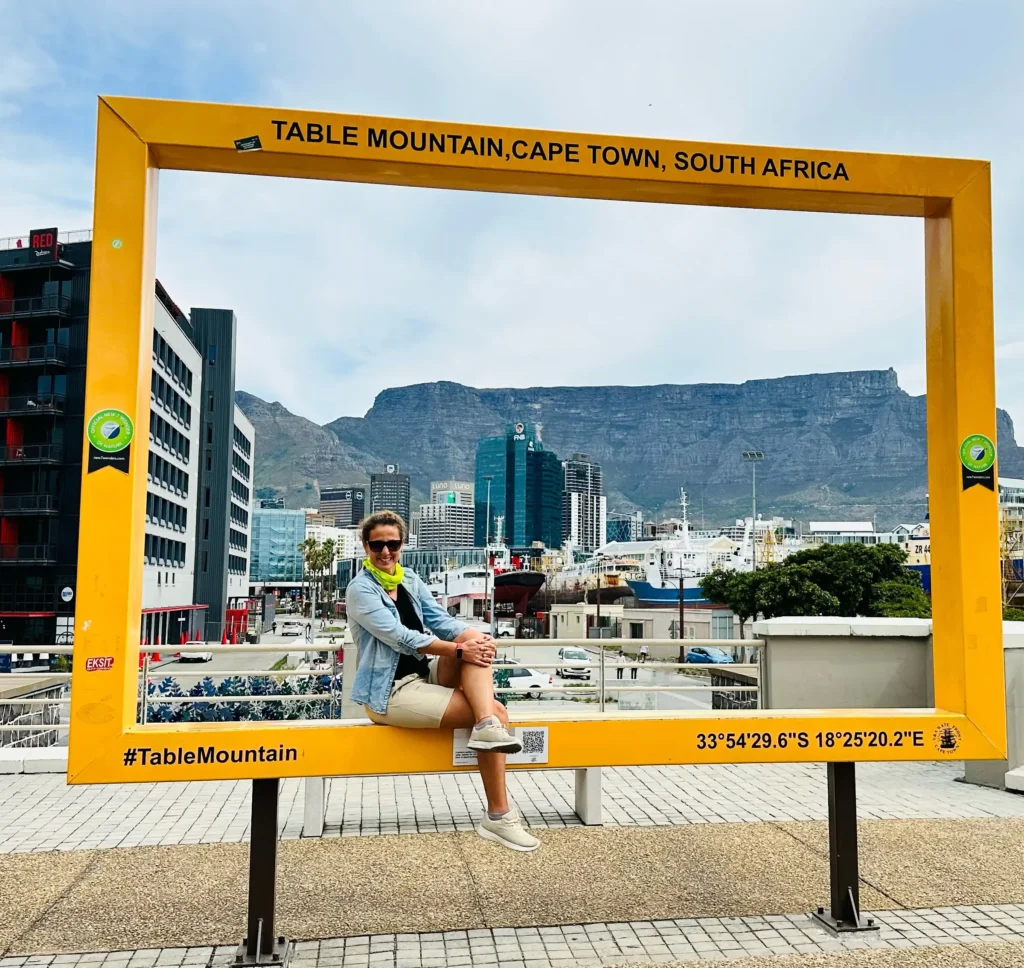
The scenery and photography alone are worth the trip: Table Mountain viewpoints, Lion’s Head and Signal Hill for skyline views, the vibrant colors of Bo-Kaap, ever-changing coastal light. Food is the other major draw — seafood, grilled meats, and local favorites are everywhere, especially along the central and southern coast, and the quality stayed consistently high the whole week.
- Don’t overload meals—balance lunch and dinner
- If you sit by the sea, wind can feel cold: dress in layers
- On wine-tasting days, pace your alcohol intake
Cape Town also delivers “road-trip energy” without leaving the city limits: the Cape Point / Cape of Good Hope corridor gives you that dramatic “end of the map” feeling in a single day. The destination shifts with the seasons too — fog and wind create moody, dramatic photos in some months, while others offer crystal-clear visibility.
How to Get There?
Flying is the main way in. Direct routes aren’t always available from every origin, so most travelers connect through a hub — check transfer times and baggage rules early if you want to avoid long layovers. Once you land at Cape Town International Airport, getting into the city is straightforward, with ride-hailing and taxis widely available.
For moving around, renting a car is the most flexible option—but not always the best fit. Parking can be challenging in some areas, and driving is on the opposite side of the road, so you’ll need a short adjustment period. If you do rent, comparing insurance terms across providers on Getrentacar is worth the extra few minutes — left-hand driving and the Chapman’s Peak toll road are both details worth confirming before you sign. Public transport and walking work well for the city center and waterfront. If you’d rather skip driving altogether, curated day tours (especially for the wine regions) are an easy substitute.
Airport Transfers
From the airport into the city, your realistic options are taxi/ride-hailing, official transfers, or — depending on timing — public transport. The cheapest option isn’t always the best one on arrival day, especially with luggage.
Tip: If your hotel is central (V&A / City Bowl), transfers are easy. Staying farther out? Pre-book your transfer rather than improvising. And build in a weather buffer — Cape Town conditions can shift fast, and fog or rain can slow both waiting times and road conditions.
When to Go?
Late spring to early summer feels the most walking-friendly. Autumn brings beautiful scenery with a calmer vibe. Winter can bring more wind and rain on certain days, which affects coastal plans. Table Mountain and the viewpoints can fog over regardless of season, so always keep a backup activity in your pocket. Summer means longer daylight hours — but also bigger crowds and higher prices.
How Many Days?
Most travelers do best with 5–7 days. 3–4 days covers the highlights, but the Peninsula and wine regions really deserve dedicated time of their own. One week felt right for us — no rushing, and room for both city highlights and the full Cape Point day.
A comfortable 6-day plan often looks like:
- 2 days city + coast walks
- 1 day Table Mountain / Lion’s Head area
- 1 day Cape Peninsula (Cape Point + Good Hope)
- 1 day wine region or an extra loop
- remaining time for flexibility: museums, markets, beaches, another sunset spot
Day-by-Day Itinerary
This route is built around daylight-first exploration — keeping evenings calmer made the whole trip feel more relaxed.
Day 1: Arrival + City Bowl / V&A Waterfront
- Check-in and quick rest
- Waterfront stroll
- Early sunset viewpoint
Day 2: Table Mountain + Bo-Kaap
- Table Mountain area (short walks/hike)
- Bo-Kaap colorful streets
- Keep your evening plan light
Day 3: Cape Peninsula (Cape Point / Good Hope)
- Early start
- Boulders Beach (penguins) stop
- Cape Point + scenic pull-offs
Day 4: Wine region day (Stellenbosch / Franschhoek)
- Book a guided Winelands tasting tour -easy to reserve ahead through GetYourGuide so transport and pours are both handled-
- Lunch + vineyard views
- Return to the city in daylight
Day 5: Lion’s Head / Signal Hill + beach time
- Choose hike based on wind
- Alternative: museum or market
- Relaxed coastal evening
Day 6: Flex day (extra route)
- Robben Island / museums
- Shopping and cafes
- Photography-focused stops if needed
Day 7 (optional): Final loop + departure prep
- Missed spots
- Plan airport transfer timing early
Places to Visit (Must-See)
Most “must-see” lists in Cape Town overlap for good reasons. Still, remember that viewpoints depend on weather—so build in backups.
- Table Mountain (views + short walks — the cableway ticket can be pre-booked through GetYourGuide to skip the queue)
- Bo-Kaap (colorful streets)
- V&A Waterfront (food + waterfront)
- Boulders Beach (penguins)
- Cape Point / Cape of Good Hope (the “end of the map”)
- Lion’s Head / Signal Hill (sunset viewpoints)
- Company’s Garden / city parks (rest)
- (Optional) Robben Island (history)
One main goal per day, plus a few nearby stops, keeps fatigue down and gives you room to adapt if the weather turns.
Food & Dining Tips
In Cape Town, food is also a question of where you base yourself. V&A Waterfront has a huge range of traveler-friendly options; coastal venues tend to excel at seafood; inland neighborhoods bring more variety in local dishes.
Go for the seafood without hesitation — mussels, oysters, calamari, usually fresh and full of flavor. Grilled meats round out the local dining scene. We ate seafood or grilled meat almost every night of the trip, and it never once felt repetitive.
Practical tips:
- Balance lunch and dinner rather than overloading both
- Dress in layers if you’re eating seaside — the wind turns cold fast
- Pace your alcohol intake on wine-tasting days, especially if you’re driving back
Where to Stay
Choosing the right neighborhood affects your whole pace. Common choices:
- V&A Waterfront: central, walkable, great for dinners
- City Bowl: the heart of the city with good access
- Bo-Kaap area: characterful streets and photo-friendly vibes
- Sea Point / Green Point: great for coastal walks
- Constantia: calmer, more nature-focused (may require a car)
My preference: if you’ll be moving a lot during the day, staying central saves time. For evenings, keeping plans closer and more controlled improves comfort. If you rent a car, check parking availability early. For actual property options in each neighborhood, Booking.com‘s Cape Town map view makes it easy to compare guesthouses, aparthotels, and boutique stays side by side. If you’re traveling solo on a tighter budget, Hostelworld’s listings around Long Street and Sea Point are worth a look too.
Average Daily Budget (Current Period)
These are “average” numbers—your travel style will change them. Renting a car, paid attractions, and meal level are usually the biggest budget drivers.
Internet / SIM Card
SIM cards and mobile plans are typically available around the airport area and in central parts of the city. Setting up an eSIM through Airalo or Yesim before you land skips the airport queue entirely and gets your navigation working the moment you touch down. Check plan duration and conditions before you buy.
Transportation Tips
Getting around Cape Town is mostly about routes and timing:
Start long-distance days early
Avoid being out late, for comfort as much as safety
Factor in fuel and parking time
Keep offline maps ready as backup
If you rent a car: take day one slow to adjust to driving on the opposite side, avoid speeding on narrow streets, and scope out parking before you need it.
If you use public transport: stick to daylight hours and pad your schedule with transfer time.
Safety & Awareness
Cape Town is large, and different neighborhoods carry different risk levels — this isn’t meant to scare you, just to help you plan smarter. The “watch your bag” advice locals gave us turned out to be genuinely useful, not just a cliché warning.
Our approach: stick to the well-touristed areas during daylight, and keep evening plans closer to base and more controlled. In practice, that one habit shaped most of the itinerary above — daylight-first exploring, with evenings kept short.
Consider travel insurance through SafetyWing before you go — car break-ins and stolen bags do happen, and having a policy in place makes any claim far less stressful.
Practical rules:
- Stay alert with phones and bags, especially in crowds
- Don’t leave valuables visible in cars or hotel rooms
- Avoid walking alone late at night
- Stay focused at stops and in heavy traffic if you’re driving
- Confirm your driver’s details before getting into a ride-hail car
- None of this means “something will happen” — it means reducing the odds that it does.
Photo Spots
Cape Town is close to a ready-made photography set — views, color, and ocean all in one place. Early mornings and sunset hours give the best light and thinner crowds.
Top spots:
- Table Mountain surroundings (fog can still make for dramatic shots)
- Lion’s Head (city silhouettes)
- Signal Hill (wide horizon views)
- Bo-Kaap (colorful streets)
- Boulders Beach area (penguins)
- Coastal walkway routes (shoreline compositions)
- Stay back from cliff edges and restricted areas — no photo is worth the risk.
Drone Usage
Drone rules are strict and vary by zone. Certain areas require permits, restrict flights, or ban drones outright — especially near airports, city centers, and protected nature areas like Table Mountain National Park. Check current SACAA regulations before you fly, avoid flying over crowds, and keep noise disturbance to a minimum.
Is It Family-Friendly (Kids)?
Cape Town can be great for families if you plan correctly. There are walkable coastal routes and shorter activities. However, longer road-trip days (like Cape Peninsula) can be tiring for kids—so plan frequent breaks and a flexible pace.
Yes, with the right pacing. Walkable coastal routes and shorter activities work well for families, but longer road-trip days like the Cape Peninsula can wear kids out — plan frequent breaks.
Family-friendly picks:
Waterfront walks (central, comfortable)
Boulders Beach (penguins are a guaranteed hit)
Short seaside photo stops
Museums/markets in the city
Keep a close eye in crowded areas, and pack layers for changing weather.
If I Were Planning (Editor’s Personal Advice)
If I were doing this again, I’d still build the trip around daylight-first exploration — walking routes and scenic drives just feel more comfortable in daylight. I wouldn’t change the car rental decision, but I’d pre-plan the wine tastings a bit earlier so the driving day stayed more balanced. And I’d keep doing what worked: treating a couple of meals each week as a real “experience” rather than just fuel between stops.
TABLES AND EXTRAS
Cost Table (Detailed Expense Items for 2 People)
- Accommodation (double room/apartment, 6–7 nights): 12,000–22,000 ZAR
- Airport Transfer (round trip, taxi/ride-hailing): 900–1,800 ZAR
- Car Rental (5–6 days, automatic preferred): 4,500–10,000 ZAR Fuel (Cape Peninsula + city driving): 1,200–2,500 ZAR
- Parking & Tolls (inner-city + entry fees): 500–1,500 ZAR
- Tours & Activities (Table Mountain, Penguin Colony, etc.): 2,000–6,000 ZAR
- Winelands (wine tasting + transport): 1,500–4,500 ZAR
- Food & Dining (2 main meals + snacks/day): 6,000–12,000 ZAR
- Internet / SIM Card (1–2 lines): 400–1,000 ZAR
- Insurance / Extras: 500–2,000 ZAR Total (estimated): 30,000–62,000 ZAR
Note: The table below serves as a sample budget framework. Values can be updated based on your accommodation standards, car rental preferences, and activity bookings.
Google Maps Section (Key Points – Name & Location List)
You can search the following places on Google Maps to build your daily itinerary:
- Table Mountain (Table Mountain National Park)
- Bo-Kaap (Bo-Kaap / Bo-Kaap Museum area)
- V&A Waterfront (Victoria & Alfred Waterfront)
- Cape Town Stadium (Optional based on itinerary)
- Boulders Beach (Cape Town Penguin colony)
- Cape Point (Cape Peninsula)
- Cape of Good Hope (Cape of Good Hope)
- Chapman’s Peak Drive (Scenic coastal route)
- Lion’s Head (Lion’s Head viewpoint / hike start point)
- Signal Hill (Sunset viewpoint)
- Stellenbosch (Wine region)
- Franschhoek (Wine region)
- City Bowl / Gardens Area (Walkable district)
Official Resources & Useful Links
- Official Tourism Guide: South African Tourism Board (southafrica.net)
- Drone & Aviation Rules: South African Civil Aviation Authority (SACAA)
- Cape Town City Guide: Cape Town Tourism (capetown.travel)
- National Parks & Conservation: SANParks Official Site (sanparks.org)
13) Frequently Asked Questions (FAQ)
- When is the best time to visit Cape Town?Spring/summer transitions and early autumn offer the most comfortable weather. Always keep a backup plan in case Table Mountain is covered in thick fog (“the tablecloth”).
- Is renting a car necessary in Cape Town?Not strictly for the city center, but having a car offers a massive advantage when exploring the Cape Peninsula, Cape Point, and the Winelands.
- Is driving hard due to traffic flowing on the left side?It takes a day to get used to it. Take it slow, stick to automatic transmission, and map out your parking spots in advance.
- Is it safe to go out at night?It depends on the neighborhood and your awareness. This guide recommends day-centric itineraries; keep night outings controlled and stay within secure, well-lit districts.
- Is there an entrance fee to see the penguins at Boulders Beach?Yes, conservation fees apply. Check the official park websites for current rates prior to your visit.
- What should I do if Table Mountain is covered in fog or closed due to wind?Have a backup activity ready, such as visiting museums, exploring the V&A Waterfront, or doing a city walking tour.
- Should I visit the Winelands as a day trip?Day trips to Stellenbosch or Franschhoek are completely feasible. However, if you plan on doing multiple tastings, staying overnight is much safer and more relaxing.
- Is a local SIM card/eSIM necessary?Highly recommended for navigation and hailing rides. Having reliable cellular data is crucial—especially while driving.
- What are the best times for travel photography?Golden hour (early mornings and late afternoons right before sunset) provides soft, warm lighting for mountain and coastal shots.
- Can I fly a drone in Cape Town?Drone regulations are strict in South Africa. Flying over national parks (like Table Mountain) without official permits is prohibited. Always consult SACAA guidelines beforehand.
- Is Cape Town suitable for families with children?Yes, absolutely. Just ensure you build frequent rest stops into longer road trip days to keep kids comfortable.
- What is the average budget required for two people?Costs vary significantly depending on accommodation and transport choices. The cost breakdown table above provides a realistic sample estimate for a 6–7 day trip.
- Which area is the best to stay in?Central, walkable areas like the V&A Waterfront or City Bowl / Gardens offer convenience and save time on daily commutes.
✈️ Discover More Destinations
Loved this guide? Click here to explore our other travel guides and start planning your next trip!