Langkawi Travel Guide 2026: Kilim Karst, the Sky Bridge & Duty-Free Shopping
🧭 Introduction & Why Go
This Langkawi travel guide starts where my last one ended: I flew in straight from George Town, a short hop that swaps Penang’s UNESCO streets for sand under my feet within twenty minutes of landing. Pantai Cenang does that immediately, the beach practically starts at the runway fence. I’d booked a full week there, and by the third afternoon I understood why so many travelers extend a “quick stop” into something longer.
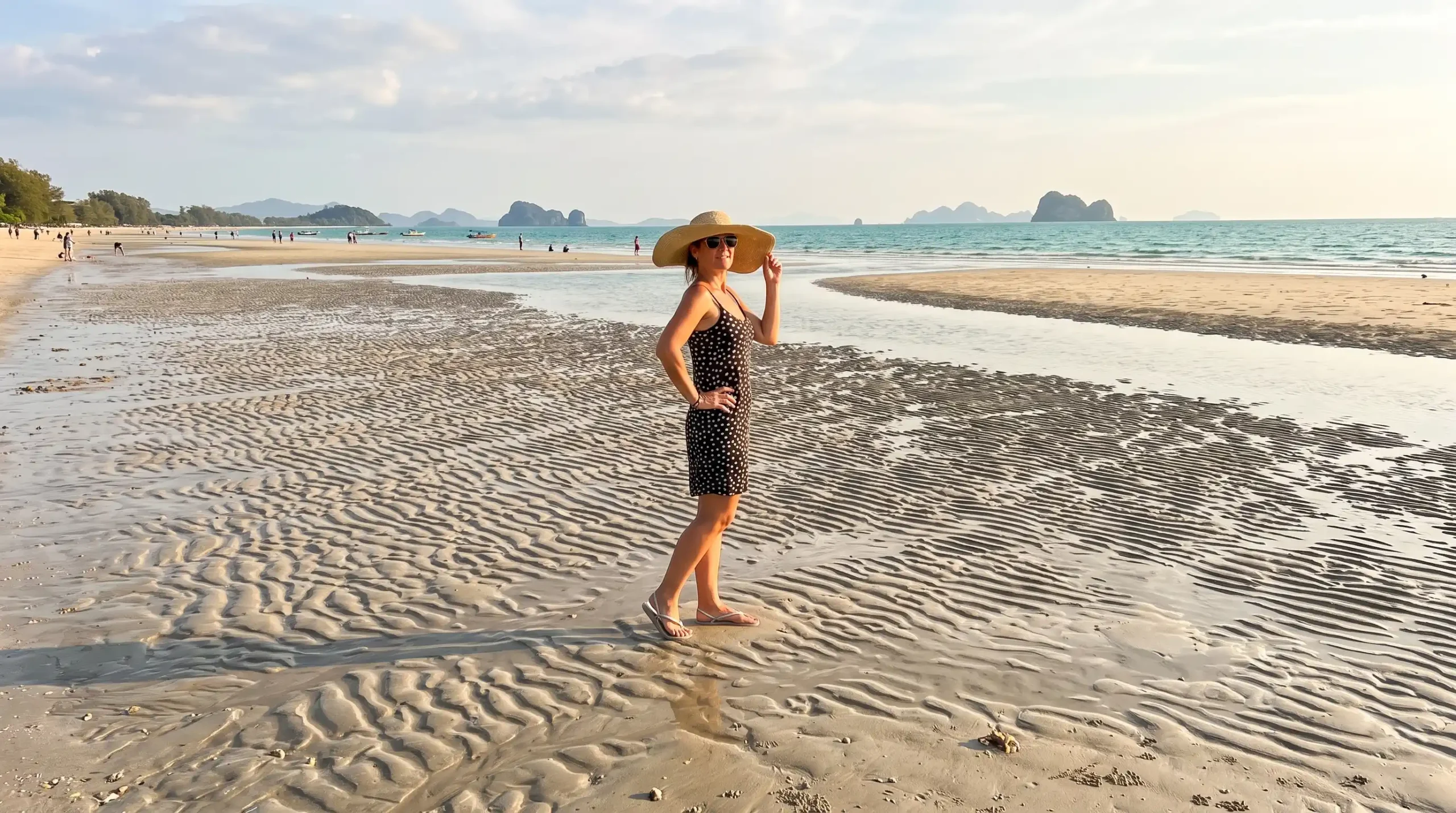
Cenang’s tide is the first thing you notice: at low tide the water pulls back so far you can walk a hundred meters before it’s even knee-deep, then a few hours later it’s a proper swim again. I found it charming once I stopped expecting a Caribbean-style beach and just worked around the tide chart, though it’s a fair warning that Cenang isn’t going to blow you away if you’ve swum in Thailand.
🧭 Quick Picks: Where to Stay
- Budget: Attitude Resort Langkawi – garden setting, private beach access, a few steps to Pantai Tengah
- Mid-Range: PARKROYAL Langkawi Resort – outdoor pool, fitness centre, 100m from Pantai Tengah Beach
- Luxury: The RIYAZ Lavanya – spa hotel near Cenang Beach and Cenang Mall, quiet and polished
🌏 Practical Info: When & How to Go
Langkawi Travel Guide Essentials
- Visa/Entry: Most Western passport holders (US, UK, EU, Australia, Canada, and more) can enter Malaysia visa-free for up to 90 days; some nationalities, including India and China, get 30 days instead. Check your own country’s allowance before booking. Passports need at least 6 months’ validity from arrival, and everyone needs to fill out the Malaysia Digital Arrival Card (MDAC) online within 3 days before landing.
The MDAC is free and only valid through the official portal above. Fake sites charging a “fee” for it have been reported, so don’t fill it out anywhere else.
Langkawi is Malaysia’s only duty-free island. Bring your passport with you when shopping, since some outlets check it before ringing up duty-free items.
- Language: Malay is official; English is widely spoken in Pantai Cenang’s tourist strip.
- Currency: Malaysian Ringgit (MYR). Cenang has ATMs and money changers scattered along the main road.
- Plugs: Type G, 230V, same as the UK, so bring an adapter if you’re not coming from a Type G country.
- Mobile & Internet: Pick up a local SIM or eSIM on arrival; coverage is solid across the tourist areas. For an eSIM before you land, Airalo or Yesim both work well for Malaysia.
- Transport tickets: Langkawi has no real public bus network, so island transport runs on taxis, rental cars, and rental scooters rather than passes.
- Drone Usage & Rules: Recreational drones are allowed under CAAM regulations (max altitude 122m, daylight only, visual line of sight), but there’s a no-fly radius of roughly 4.5–5km around Langkawi International Airport, which covers a chunk of the Pantai Cenang and Pantai Tengah area. Commercial use needs a CAAM permit arranged in advance.
Getting There & Around
Langkawi International Airport (LGK) has direct flights from Kuala Lumpur, Penang, and Singapore, plus seasonal international routes. I flew in from Penang, which took under an hour and was the easiest transition of the whole trip. If you’d rather fly in and search fares first, Skyscanner is a solid starting point.
From the airport, taxis run on a fixed-zone coupon system rather than a meter, and the ride to Pantai Cenang takes about 15–20 minutes. Grab exists on the island but coverage is thinner than on the mainland, so don’t count on it as your only option; ask your hotel to call a taxi as backup. For getting around independently, especially for Kilim Karst and the Sky Bridge, renting a car through getrentacar or booking a private gettransfer for the day is worth the cost. Roads are quiet and well-maintained outside peak season.
Best Time to Visit & Trip Length
The dry season runs November through March, with January and February the sunniest, calmest stretch for beach days and boat trips. April through August brings occasional afternoon storms but is far less crowded. September and October are the wettest months, and the ferry to Thailand often pauses for weeks at a time, so check ahead before you build a Koh Lipe leg into your plans. A week, which is what I gave it, was enough to slow down properly without running out of things to do.
🗓️ Day-by-Day Itinerary
Day 1–2: Settle Into Cenang
I spent my first two days doing very little beyond swimming, working around the tide, and wandering the beachfront strip for food. It’s the right way to start Langkawi after a busier stop like Penang. Nothing here demands urgency.
Day 3: Kilim Karst Geoforest Park
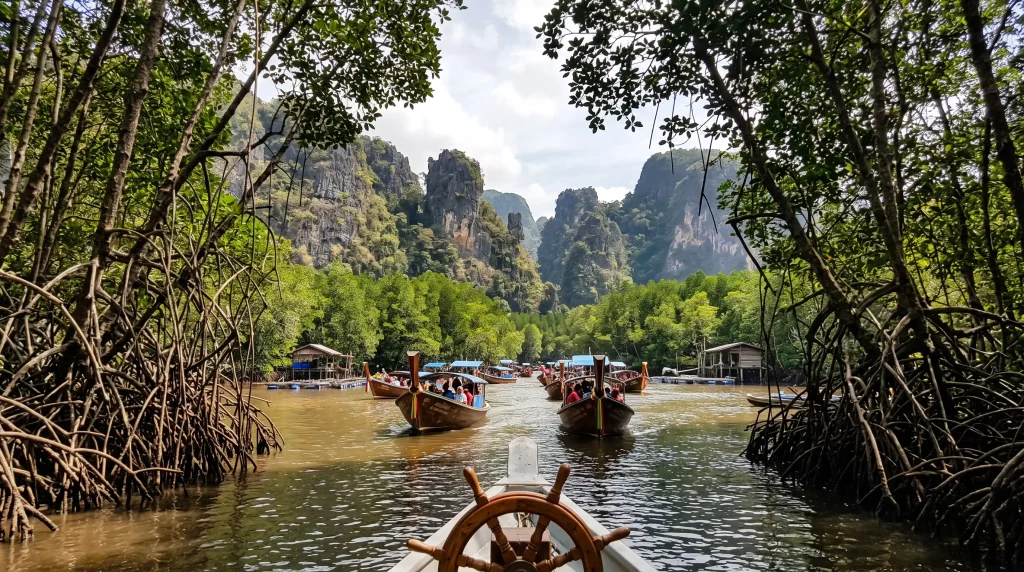
This is where Langkawi’s more dramatic side shows up. A shared boat tour through the mangroves of Kilim Karst Geoforest Park took me past limestone cliffs, into the Bat Cave, and past a floating fish farm where eagles regularly swoop down for scraps. It’s a slower, wilder contrast to the beach and worth the roughly 45-minute transfer from Cenang.
Sharing-boat mangrove tours run around RM73–85 per person for a 3-hour trip; private boats cost significantly more but let you set the pace.
Day 4: Sky Bridge and Cable Car
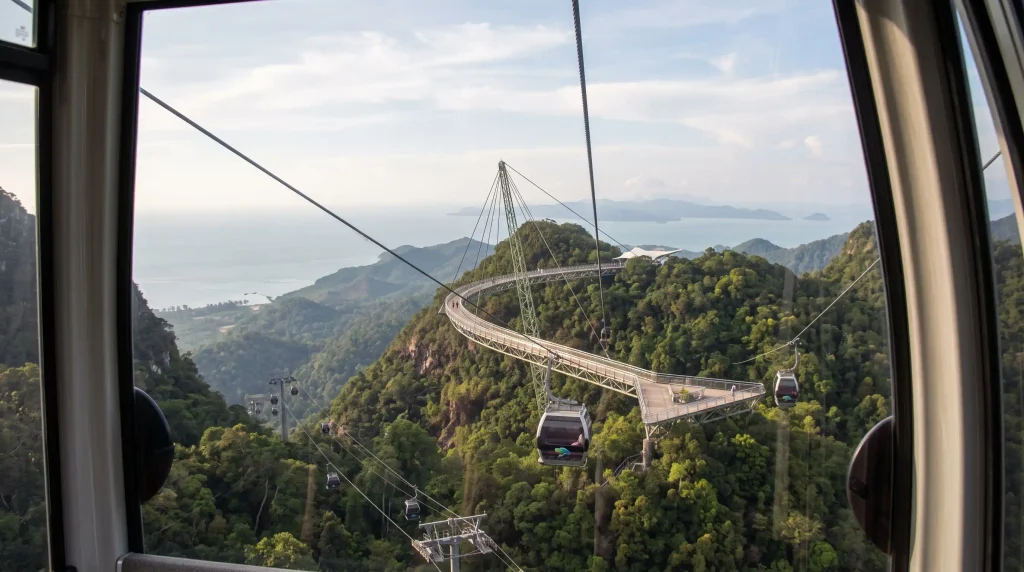
The SkyCab climbs Gunung Mat Cincang to the curved Sky Bridge, and the ride up turned out to be half the thrill. It’s one of the steepest cable car routes I’ve been on. From the top station, it’s a short jungle trail out to the bridge itself, with views stretching across the island and out to the Andaman Sea.
The queue gets long by late morning, especially on weekends. Go early or book your ticket online in advance to skip part of the line.
Day 5: Duty-Free Shopping (With a Caveat)
I used a free day to explore Langkawi’s duty-free status, since it’s genuinely unusual for an island this size. I’ll get into what went wrong with an electronics purchase in the Top Experiences section below, but the short version: go for chocolate, alcohol, and perfume, and think twice about electronics.

Day 6–7: Wind Down, Then Cross to Thailand
My last two days were slow ones, and I left by ferry to Koh Lipe rather than flying onward, a scenic way to close out the Malaysia leg and slide straight into southern Thailand.
Immigration runs on both ends of this crossing, so arrive at the jetty at least 90 minutes before departure, passport in hand.
🏝️ Top Experiences & Best Places to Visit
1. Kilim Karst Geoforest Park. A UNESCO Global Geopark that feels nothing like the beach resorts a few kilometers away: mangroves, limestone tunnels, and genuinely wild eagle activity.
2. Langkawi Sky Bridge & Cable Car. The curved pedestrian bridge 650 meters above sea level is the postcard shot everyone comes for, but the cable car ride up Gunung Mat Cincang is the part that actually gets your pulse up.
3. Pantai Cenang at low tide. Less an “attraction” than a daily rhythm, and one of my favorite parts of the week once I stopped fighting it.
4. Duty-free shopping in Kuah or Cenang. Worth doing once for the novelty, and genuinely good value on alcohol, chocolate, and perfume. I’d steer clear of electronics though: I bought a Samsung phone from a shop in Cenang that turned out to be a Chinese-made counterfeit. Warranties on electronics there often aren’t honored back home, so the “deal” isn’t always what it looks like. If you do want to buy a phone or anything electronic, stick to recognized, authorized retailers rather than the small standalone stalls.
5. Island-hopping by boat. Most tours combine Pulau Dayang Bunting (Lake of the Pregnant Maiden) with Eagle Feeding Point and a beach stop, a good half-day if you want open water rather than mangroves.
Looking for something beyond these five? Here are more Langkawi activities and tours worth browsing:
🏨 Where to Stay & Eat
Where to Stay
- Budget: Bed Attitude Hostel Cenang, a short walk from Pantai Tengah Beach with air-conditioned dorms, a co-working space, and a genuinely social atmosphere for solo travelers.
- Mid-Range: I stayed at Best Star Resort, right on Cenang Beach, for the full week. It’s a straightforward 3-star setup with an outdoor pool and waterslide, and the location is hard to beat if beach access matters more to you than polish. Rooms are simple, but I never once had to think about getting to the sand.
- Luxury: Pelangi Beach Resort & Spa, a beachfront resort in Pantai Cenang with three outdoor pools and consistently strong reviews for its pool area and staff.
Where to Eat
- Budget: Yellow Beach Cafe, a proper beach bar right on the sand with Western dishes, fresh juices, and sunset views that don’t cost extra.
- Mid-Range: Red Tomato Langkawi, known for its banana pancakes and relaxed Spanish-hacienda decor, a reliable breakfast or brunch stop.
- Upscale: Telaga Seafood Restaurant, tucked into greenery in the middle of Pantai Cenang, serving grilled fish, prawns, and crab with a genuinely calm, tropical setting.
💰 Budget: Cost & Money-Saving Tips
Cost of Traveling
Budget travelers can get by on roughly RM150–200 a day: hostel bed, street food and casual restaurants, a shared mangrove tour instead of a private one, and walking or the occasional taxi.
Mid-range travelers should plan for RM350–500 a day, covering a beachfront 3-star hotel like the one I stayed in, a mix of casual and sit-down meals, and one or two paid activities like the Sky Bridge.
Luxury travelers can expect RM800 and up daily at resorts like Pelangi Beach or The RIYAZ Lavanya, with private tours and spa treatments added on top.
Money-Saving Tips
- Book Sky Bridge tickets online in advance — cheaper and skips part of the queue.
- Choose a sharing mangrove tour over a private one; the sights are identical.
- Stick to street food stalls along the Cenang strip for lunch, save sit-down dinners for one or two nights.
- If duty-free shopping appeals to you, prioritize alcohol, chocolate, and perfume; for electronics, only buy from recognized, authorized retailers.
- Rent a scooter instead of a car if it’s just you or a couple.
🎒 What to Pack & Good to Know
What to Pack
- Reef-safe sunscreen — the tropical sun here is intense even on cloudy days
- Water shoes, genuinely useful for walking out over Cenang’s low-tide sandbanks
- A light rain jacket if you’re visiting outside the January–March dry stretch
- A universal or Type G adapter for charging
- A dry bag if you’re doing the Kilim mangrove tour or the Koh Lipe ferry crossing
Safety, Accessibility & Etiquette
Langkawi felt easygoing and safe throughout my stay, with the usual common-sense precautions around beach valuables. Malaysia’s emergency number is 999. Travel insurance is worth having, especially crossing to Thailand by ferry; SafetyWing and Klook’s insurance options both work well. Dress modestly around mosques or local Kuah town, though Cenang’s beach strip is relaxed about swimwear.
❓ Frequently Asked Questions
Is duty-free shopping in Langkawi actually worth it?
For alcohol, chocolate, and perfume, yes. Electronics are the exception (see Top Experiences above) — treat any “deal” there with real caution.
How rough is the tide at Pantai Cenang, and does it ruin the beach?
It’s noticeable, but not a dealbreaker. Check a tide chart and plan your swim window around it.
Can I do Kilim Karst and the Sky Bridge in the same day?
It’s possible but rushed. I gave each its own day and preferred it that way, since Kilim’s tour runs a fixed morning schedule and the Sky Bridge is best tackled early to beat the queues.
Do I need a car to get around Langkawi?
Not strictly, since taxis and rental scooters cover the basics, but a rental car makes the Kilim Karst and Sky Bridge side of the island far more convenient if you’re not booking organized tours.
Is Langkawi worth visiting purely for a beach holiday?
Honestly, no. Cenang is pleasant and the tide makes for an interesting rhythm, but the sand and water don’t compare to what’s a short ferry ride away in Thailand. I’d treat Langkawi as a mix trip, duty-free, mangroves, the Sky Bridge, with the beach as a backdrop rather than the main event.
Is the Langkawi–Koh Lipe ferry reliable?
Yes, within season (see Best Time to Visit above): multiple sailings daily, about 90 minutes crossing plus immigration on both ends.
✅ Quick Summary & Final Words
This Langkawi travel guide wraps up with the numbers that matter most for planning.
Quick Summary
- Best time to visit: November–March (dry season, calmest seas)
- Average daily budget: RM150 (budget) to RM800+ (luxury)
- Ideal trip length: 5–7 days
- Good for: duty-free shopping, easy day trips, a relaxed stop before crossing into Thailand’s beaches
Langkawi ended up being exactly the reset I needed after George Town’s constant walking and eating. The duty-free electronics lesson stung a bit, but Kilim’s mangroves and the Sky Bridge more than made up for it. If you’ve been to Langkawi’s beaches but haven’t ventured out to Kilim Karst, or you’re weighing whether the duty-free hype is worth it, drop it in the comments and I’ll get back to you.
For more on this route, my George Town Penang travel guide covers the stop right before Langkawi.