Transnistria Travel Guide 2026: Visiting an Unrecognized State — Entry, Safety & Reality
Introduction & Why Go
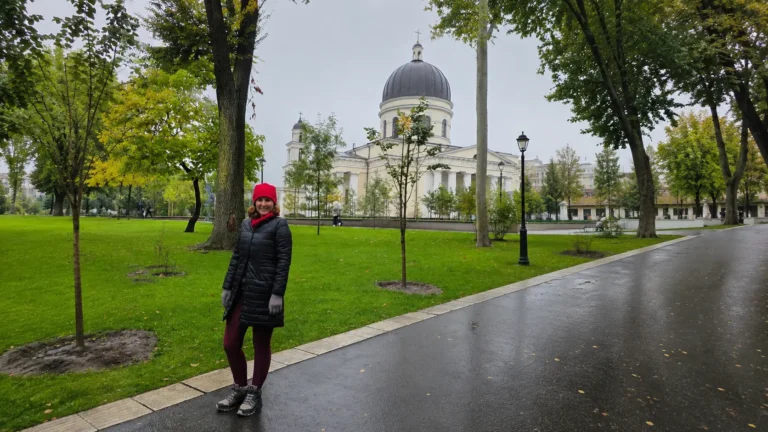
No UN member state currently recognizes Transnistria, and you won’t find it listed on your passport or most official maps. On a cold October morning, I boarded a minibus labeled “Tiraspol” in Chisinau and crossed into the Pridnestrovian Moldavian Republic — a region with its own government, currency, and border control, where Soviet-era architecture and daily life have continued largely undisturbed by the outside world.
I went out of genuine curiosity about a place so few outsiders get to see. I kept my visit short, both because my entry permit only allowed it and because I wanted to be mindful that I was a guest passing through people’s everyday lives, not a spectator at an attraction. Tourist infrastructure is minimal here, English is rarely spoken, and phone signal disappears once you cross the border — so a little preparation goes a long way. Most visitors day-trip from Chisinau; see our Chisinau travel guide for city logistics and where to stay as your base.
Quick Picks: Where to Stay
- 🧍 If Overnighting: Sakura Neon Hotel (Tiraspol) — basic Soviet-era comfort, accepts cash (local Transnistrian Ruble), advance booking via email only (no website booking). ~25-40 PMR (Russian Rubles used informally, official: Transnistrian Ruble).
- 💰 Reality Check: Most visitors day-trip from Chisinau; overnight stays rare. Hotels don’t maintain English-language bookings.
- 🛎️ Luxury: N/A — Transnistria doesn’t cater to luxury tourism; it caters to Transnistrians.
🧭 Practical Info: When & How to Go
Quick Facts
- Visa & Entry: Citizens of most countries (except Moldova in some cases) can enter, but receive a temporary entry permit (not a visa)—duration written by hand at border based on stated stay. Typically 1-3 days. Passport required; visitors without valid passport refused entry. Moldovan citizens face stricter scrutiny. For Moldova context (gateway country), see Moldova official tourism site.
- Recognition Status: No UN-member state officially recognizes Transnistria. It maintains its own government, army, currency, and border control. Entering is legal (you’re not breaking international law), but your government may not acknowledge your visit.
- Language: Russian, Romanian (Moldovan), Transnistrian-specific Russian dialects. English is genuinely not spoken; even hotel staff operate in Russian only. Come with a phrasebook or translator app charged to 100%.
- Currency: Transnistrian Ruble (official). Russian Rubles informally accepted. No ATMs for tourists. Credit/debit cards do not work—not a technical glitch, but policy. Bring cash from Moldova.
- Plugs: Type F (European two-round-pin), same as Moldova.
- Mobile & Internet: Your phone will likely lose signal (roaming agreements don’t extend to unrecognized states). Pre-purchase an Airalo eSIM before arrival for emergency connectivity in Moldova border areas. Transnistria itself has no roaming coverage. Internet cafes exist but are rare. Assume communication blackout.
Communication Blackout: Download offline maps before arrival. Charged phone is mandatory. Assume zero connectivity; any signal is a bonus, not a default.
Critical Entry Note: Don’t enter Transnistria if you plan to visit Moldova afterward and claim you didn’t enter Transnistria—Transnistrian border stamps technically don’t exist (Moldovan government doesn’t recognize their validity). Your passport will have an undisputed stamp. Be honest at Chisinau/Moldova checkpoints. Complications are rare if you declare it.
Getting There & Around
From Chisinau: Minibuses (marshrutkas) labeled “Traspol” depart from the bus station or gather around Piața Centrála. Fare: 30-50 MDL (~1.50-2.50 EUR) one-way, ~1.5-hour drive. Travel is straightforward—locals commute daily—but ask locals for current departure times; no official schedule. Check 12Go for minibus options from Chisinau. Plan Chisinau as your base (lodging, meals before/after); see main Chisinau travel guide for city logistics.
Flying to Chisinau: Skyscanner for flight comparison to Chisinau International Airport (gateway for Transnistria day trips).
In Transnistria: Minibus continues to Tiraspol (capital), dropping you at a central square. Walking, asking locals for directions, or finding your way back to the minibus that loops/returns to Moldova. Taxis exist but expect negotiation in Russian; pre-agree prices.
Return to Moldova: Same minibus typically loops back to Chisinau, or you flag down another heading westward. No formal exit checkpoint—you simply leave. Returning to Moldova proper (Chisinau area) is seamless; no questions.
Best Time to Visit & Trip Length
Ideal window: Late spring (May-June) or early autumn (Sept-Oct). Winter (Dec-Feb) is bitterly cold; spring/autumn are crisp but manageable.
Seasonal Reality: Transnistria’s climate is harsh but stable—October cold is manageable with layers. Avoid winter unless experienced in post-Soviet conditions.
Trip length: 4-6 hours is the de facto standard. Tiraspol has limited attractions; after 2-3 hours of walking, you’ve seen most of what’s “touristic.” Many visitors do morning-to-afternoon day trips from Chisinau, returning before sunset. Overnight stays possible but rare—accommodations are basic, and there’s no tourism infrastructure to support longer visits.
📅 Day-by-Day Itinerary (Day Trip: 6-8 Hours Total)
Morning: Chisinau Departure Catch minibus from Chisinau bus station (~8:00-9:00 AM). Pack snacks, water, and a full phone charge. Border formalities (~10:00-10:30 AM). Entry permit issued, hand-dated for 1-3 days depending on mood of the officer.
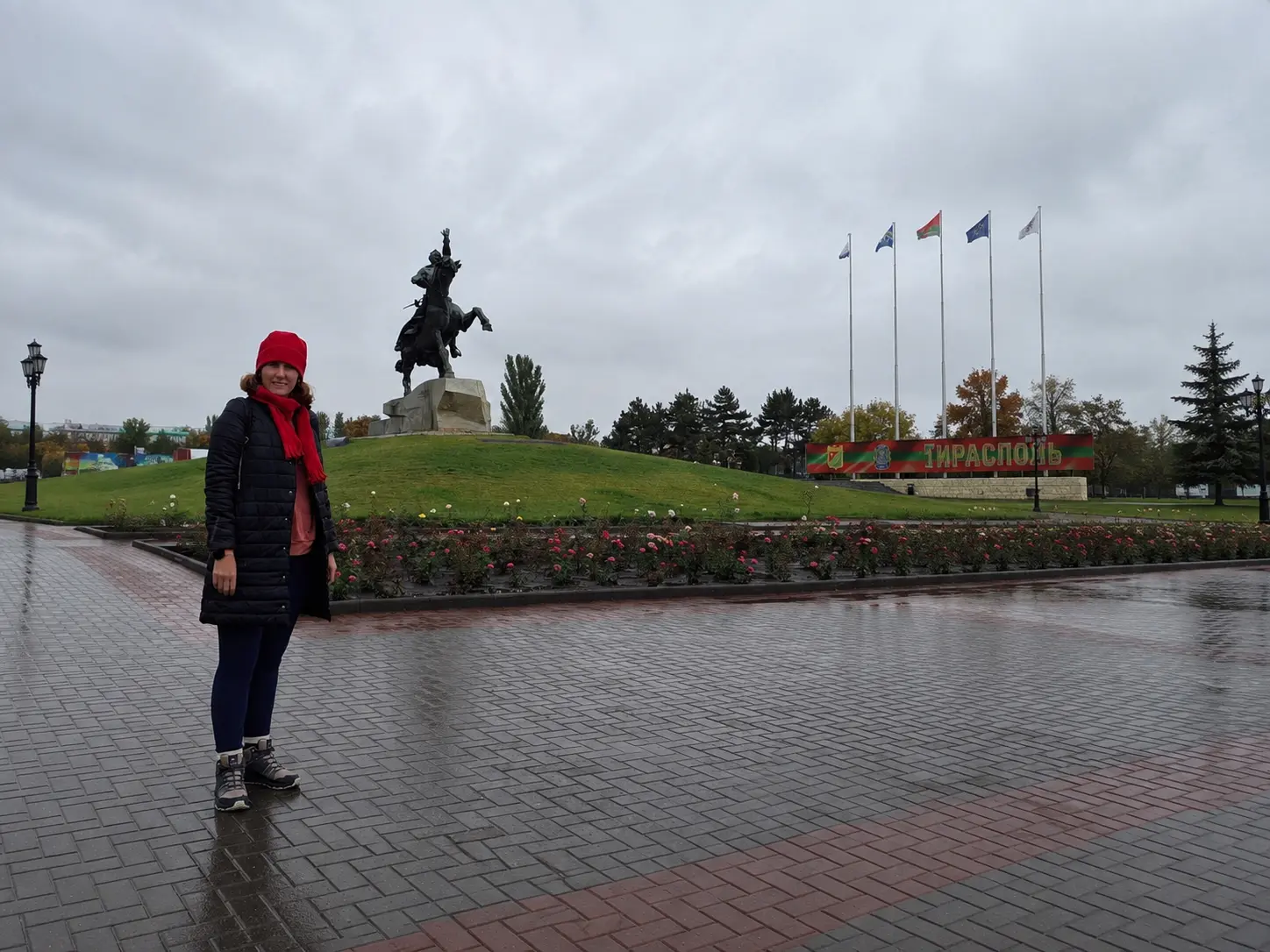
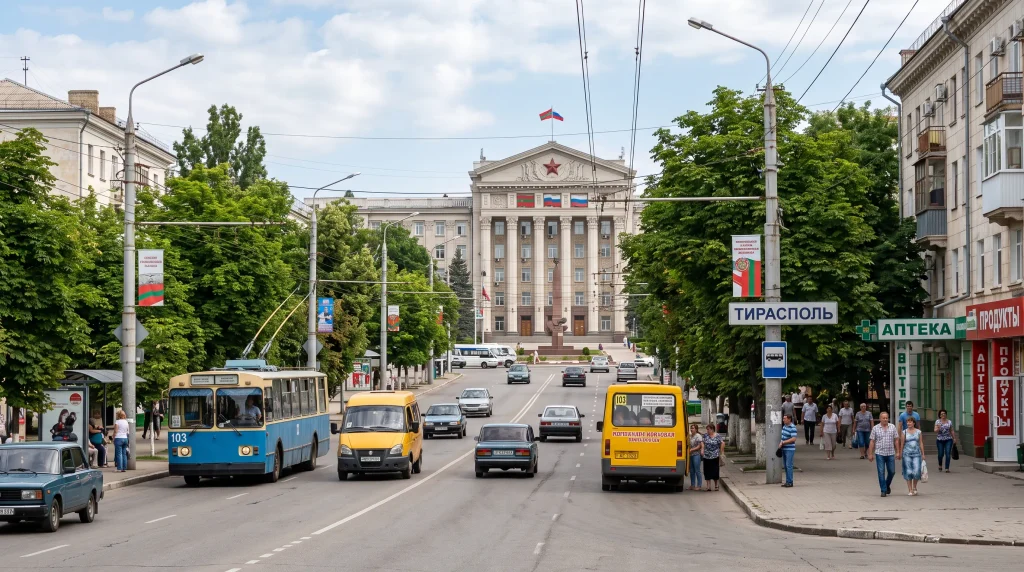
Late Morning: Arrival in Tiraspol Minibus enters Transnistria’s capital. First impression: wide Soviet avenues, Soviet-era apartment blocks painted in pastel yellows and pinks, hammer-and-sickle emblems still visible on buildings. No Western signage, no McDonald’s, no Starbucks. Currency exchange (if needed): ask locals or find a small bank near central square—exchange rates are whatever the bank decides; no transparency.
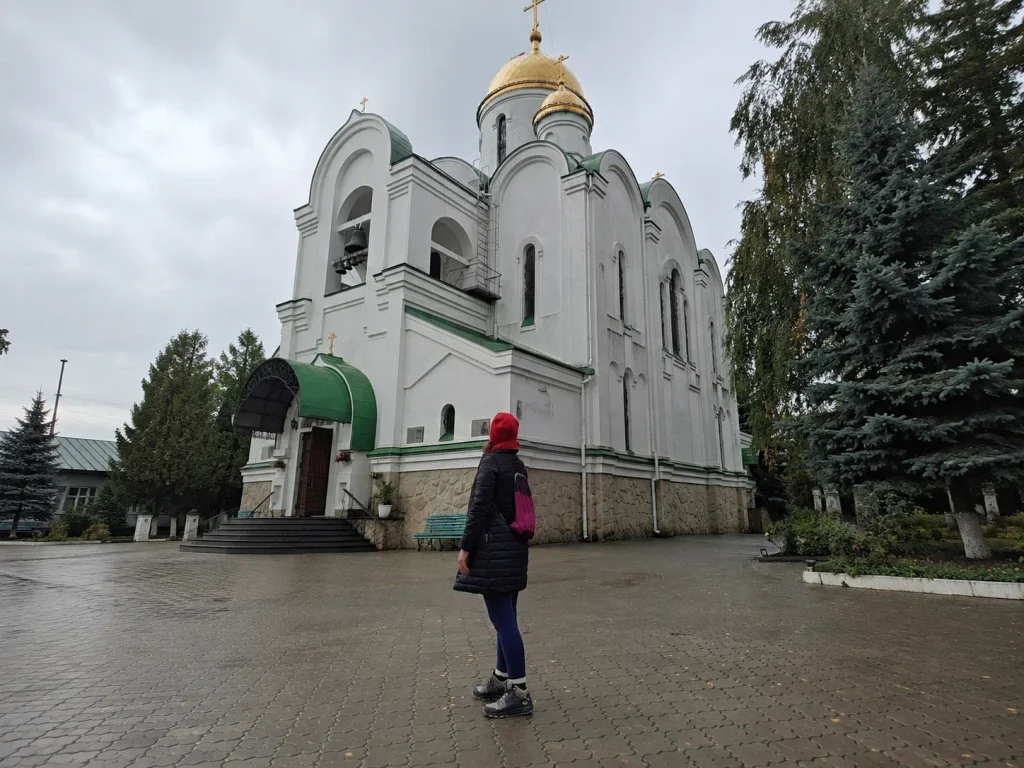
Midday: Walking the City Visit Suvorov Central Park (tree-lined, quiet, locals on benches). Walk along Nistru River (Dniester River). Central square has government buildings—don’t photograph them (nobody stops you, but it’s conspicuously watched). Cathedral of the Holy Virgin is modest but open; Transnistrian cultural sites exist, but English-language information is nonexistent. Lunch at a cafeteria-style restaurant (ask locals, point to food)—meat, bread, vegetables, cheap. Expect cash-only, expect no English menu, expect pointing and nodding.
Reality Check: By midday, you’ll have covered most of what a short visit offers — the Soviet-era architecture, the quiet streets. If you’re not particularly drawn to Cold War history or political geography, a few hours is genuinely enough, and that’s fine; it doesn’t take away from the value of having come.
Afternoon: Departure Find your minibus or flag one heading toward Moldova. Sit, leave. No exit checkpoint. Crossing back into Moldova territory takes ~5 min; you’ll pass through genuine Moldovan police checkpoints (normal, routine). They see your Transnistrian stamp, note it, let you through.
Evening: Back in Chisinau Civilization. Internet. English. Reflect on the four hours where none of that existed.
🏆 Top Experiences & Best Places: Transnistria Travel Guide Must-Sees
- Suvorov Park – Soviet-planned, tree-lined, haunting in its ordinariness. Local families; no tour groups.
- Central Square (Lenin Square) – Soviet administrative architecture, government buildings, hammer-and-sickle symbols. Watched; don’t photograph carelessly.
- Cathedral of the Holy Virgin – Recently renovated, Orthodox, open to visitors. Modest but tells story of Transnistrian independence from Moldova’s Orthodox majority.
- Nistru (Dniester) River Embankment – Quiet walk; industrial aesthetic; locals fishing or sitting on benches. No scenic overlook, just reality.
- Everyday Life & Currency – There’s no tourist infrastructure here, and that’s part of what makes a visit memorable: using the Transnistrian Ruble, getting by with basic Russian phrases, and simply walking through a city that goes about its normal day. It’s a reminder that not every place needs to be built for visitors to be worth seeing.
🏨 Where to Stay & Eat
Accommodation (if staying overnight)
- 🧍 Budget: Tiraspol Hostel (Karl Marx Street) — American-run, Soviet-style dorm rooms, free vodka at night, free city tour. ~15-20 EUR/night. Email: Timo for booking or homestay referrals.
- 💰 Mid-Range: Homestay via local contact (email Ilya or Timo for referral) — authentic local hospitality, advance booking required, family-owned. ~20-30 EUR/night.
- 🛎️ Luxury: N/A — Transnistria has no tourism infrastructure targeting luxury travelers. A foreigner staying overnight is unusual enough.
Eating
- 🧍 Budget: Street vendors, cafeteria restaurants (mains ~5-10 PMR) — mici, bread, soup, meat pies. Ask locals to point you toward where locals eat, not where tourists expect to eat (because tourists don’t come here).
- 💰 Mid-Range: Kumaniok restaurant (authentic Soviet-style cuisine, traditional Transnistrian fare, ~10-20 PMR mains) — heavy food, no frills, cash only.
- 🛎️ Fine Dining: Doesn’t exist as a concept. Meals here are simple, home-style, and unpretentious — hearty food made for daily life rather than for showcasing to visitors.
Must-Try: Mici (Soviet-style meat rolls), pelmeni (dumplings), borscht, bread. Vodka is cheaper than water—locals notice if you don’t drink. Smile, nod, accept what’s offered.
💰 Budget: Cost & Money-Saving Tips
Cost of Traveling (day trip from Chisinau, Oct 2026)
- Minibus (round-trip): 60-100 MDL (~3-5 EUR)
- Food (lunch, one meal): 15-30 MDL (~0.75-1.50 EUR)
- Currency exchange loss: 0-10 MDL (depends on rate)
- Attractions: 0 MDL (parks/walking are free)
- Total/day trip: 75-140 MDL (~4-7 EUR)
Money-Saving Tips
- Bring cash from Moldova. No ATMs work for tourists; exchanging at official bank (central Tiraspol) is your only option. Rates are whatever they decide—no negotiation.
- Eat like locals. Cafeterias charge less than “restaurant-style” places. Point to food in the window.
- Day-trip, don’t overnight. Hotels are expensive relative to what you get; overnight stays are rare. One day trip is the sweet spot.
- One meal in Transnistria, eat before/after. Food is heavy and filling; one pelmeni lunch sustains most. Save money by eating breakfast in Moldova, dinner after returning.
- No souvenirs to buy. Transnistria doesn’t sell tourist trinkets. You’re not there to shop.
Travel Insurance & Airport Logistics: SafetyWing covers medical emergencies (~45 EUR/month). For airport-to-Chisinau transfers before/after your Transnistria trip, book via Gettransfer to secure reliable rides.
🎒 What to Pack & Good to Know
What to Pack
- Full battery charge (phone will lose signal; you need maps downloaded offline, translation apps pre-loaded).
- Cash in local currency (MDL from Moldova, then exchange at Transnistrian bank; or bring EUR and exchange—expect poor rates).
- Translation app (Google Translate with offline pack, or Yandex—Cyrillic keyboard helpful).
- Warm layers (Oct-Nov is chilly; Dec-Feb is brutal).
- No camera attitude — You can photograph; just don’t photograph government buildings or military/security personnel. Use judgment.
Safety & Etiquette
- Safety: Transnistria is safer than its reputation (no street crime targeting tourists; you’re too foreign to mug). However, it feels unsafe because of isolation, lack of English, and Cold War aesthetics. Your discomfort is psychological, not actual risk.
- Politeness: Say “Здравствуйте” (formal hello). Locals appreciate effort. Don’t ask political questions; don’t discuss independence status; don’t assume locals want to chat with foreigners (many don’t).
- No Phones: Your phone likely has no signal. Not a technical fault; roaming agreements don’t extend to unrecognized states. Assume communication blackout.
Traveler’s Fact: Your government may not officially acknowledge this trip. Don’t claim it didn’t happen; just be aware the stamp in your passport is disputed. Moldovan officials are used to this; it’s a non-issue upon return.
❓ FAQ
Q: Is it legal to visit Transnistria?
A: Yes. You’re not breaking international law. You’re entering a territory that hosts its own border control. That control process is legal. Complications with your own government are rare.
Q: Do I get a visa?
A: No visa. You get a hand-written entry permit stamped at the border, valid for the duration stated (typically 1-3 days). It’s not a visa; Transnistria recognizes it doesn’t issue visas (no country recognizes it to issue official documents). The permit is de facto recognition of your presence.
Q: What if my phone has no signal?
A: It won’t. Roaming agreements don’t extend to Transnistria. Download maps offline, charge your battery fully, assume you can’t call/text/email. It’s intentional isolation, not a technical problem.
Q: Can I use credit cards?
A: No. Cash only. Cards are refused outright (policy, not technical failure). Bring cash, exchange it at a bank in Tiraspol, or bring EUR/USD for exchange.
Q: Why would anyone visit?
A: Geopolitical curiosity. Cold War nostalgia. The experience of a place that officially doesn’t exist. It’s not fun in the conventional sense; it’s profound in a weird way.
Q: Can I stay overnight?
A: Technically yes (your permit allows it), but accommodations are bare-bones Soviet-era guesthouses. Most visitors day-trip; overnight stays are rare and not recommended unless you’re specifically interested in staying in an unrecognized state.
✨ Wrap-Up
Quick Summary: Transnistria Travel Guide Essentials
- Best time: Late spring or early autumn (May-June, Sept-Oct)
- Average daily budget: 4-7 EUR (day trip from Chisinau)
- Ideal trip length: 4-6 hours (day trip); max 1-2 days if staying overnight
- Good for: Geopolitical history buffs, Cold War aesthetics enthusiasts, travelers seeking extreme off-the-beaten-path experiences
Final Words Transnistria isn’t a typical vacation spot — it’s a short, thought-provoking detour for anyone curious about history and how places evolve outside the usual paths of travel. Don’t expect polished comfort or classic photo spots; expect quiet Soviet-era streets, Cyrillic signage, hearty local food, and the unusual experience of visiting a place with its own government that most of the world doesn’t officially recognize. The trip itself is simple — a short minibus ride each way — but what you take from those few hours in Tiraspol tends to stay with you: a glimpse into daily life in a place shaped by a history most travelers never get to see up close.
For more real trip notes and city guides, browse the rest of the site at gotravelica.com.