Rome Travel Guide 2026: Ancient Ruins, Trastevere & Roman Food
🌅 Introduction & Why Go
This Rome travel guide starts, oddly enough, on the side of a dark highway somewhere between Florence and Rome, with me pushing a rental car while my legs shook from the effort. That is not how I pictured my first night in the Eternal City, but it is exactly the kind of story Rome seems to specialize in: chaos that somehow turns into a good memory. I arrived in September, and the weather cooperated in a way Roman summers rarely do. It was warm enough for gelato at midnight, and cool enough to enjoy walking for hours without wilting.
I had five days, which turned out to be close to ideal for a first visit. That gave me enough time for the big three (Colosseum, Vatican, centro storico) without racing the clock, plus enough slack to get pleasantly lost in Trastevere on a whim. Three things pulled me here specifically: the layered history you can’t get anywhere else, the food, and plain curiosity about the Vatican functioning as its own country tucked inside a city.
Quick Picks: Where to Stay
- 🧍 Budget: Hotel Contilia, simple rooms two Metro stops from the Colosseum and Trevi Fountain.
- 💰 Mid-Range: Hotel Artemide, a Via Nazionale favorite with a rooftop terrace and a proper wellness area.
- 🛎️ Luxury: NH Collection Roma Palazzo Cinquecento, a five-star right next to Termini, with a private garden built around real Roman ruins.
🧭 Practical Info: When & How to Go
Quick Facts
- Visa/Entry: Italy is part of the Schengen Area, so entry requirements depend on your passport. Some nationalities can enter visa-free for short stays, while others need a Schengen visa arranged in advance. Check the current requirements for your passport with the nearest Italian consulate before booking flights.
- Language: Italian; English is common in the historic center, less so outside it.
- Currency: Euro (€).
- Plugs: Type C, F, and L, running on 230V.
- Mobile & Internet: An eSIM saves you the hunt for a local SIM shop; set it up before landing so you’re connected the moment you land.
- Transport tickets: A single Metro/bus ticket costs €1.50 and is valid for 100 minutes; day passes run roughly €7 to €18 for 24 to 72 hours.
🛂 Visa reminder: Schengen visa processing can take weeks in peak season. Apply well ahead of a September trip, since that’s still high tourist season in Rome.
Getting There & Around
Fiumicino (FCO) is Rome’s main international airport, connected to Termini by the Leonardo Express train in about 32 minutes. Ciampino (CIA) handles more budget carriers and sits closer to the southeast edge of the city. If you’re flying in, compare routes on Skyscanner before locking in dates, and for an airport or private transfer instead of the train, gettransfer is worth a look.
I drove in from Florence after a longer Italy loop that also took in Milan, and my own experience is a decent argument against renting a car specifically for Rome itself. The historic center is largely restricted through ZTL zones, parking is scarce, and Roman traffic circles take some getting used to. A car makes sense for the countryside legs of a trip; inside Rome, it quickly becomes dead weight. If you do need one for the road portions, getrentacar is a solid option, but budget in a roadside-assistance plan. Ours broke down at night outside the city, and pushing a car uphill in the dark is not a bonding exercise I’d recommend to anyone.
Best Time to Visit & Trip Length
September and October hit the sweet spot: the brutal summer heat has broken, crowds thin out slightly after August, and evenings are still warm enough to eat outdoors comfortably. Five days is a comfortable length for first-timers. Three feels rushed once you add the Vatican and a proper Roman Forum visit into the mix.
🏛️ Day-by-Day Itinerary
Day 1: Arrival and the Centro Storico
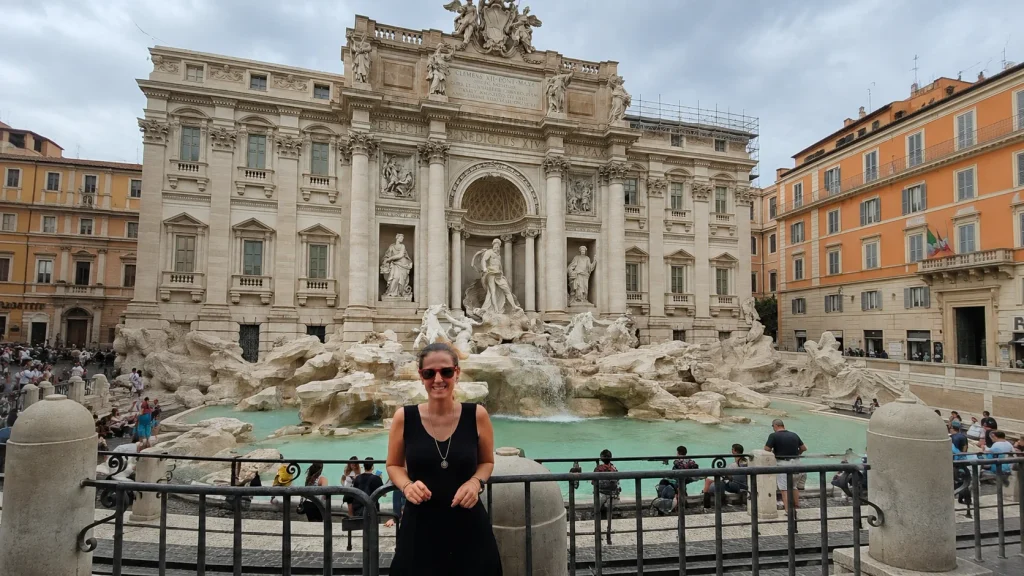
We rolled into Rome that morning after a mechanic fixed a dead car battery just as the sun came up. Not the entrance I’d planned, but relief made the city feel even better than expected. We checked into Via Del Corso Home Roma, dropped the bags, and walked straight to Trevi Fountain that same afternoon. I threw a coin over my shoulder and made a wish, joining what feels like a good portion of Rome’s daily visitor count doing exactly the same thing.
Day 2: Ancient Rome
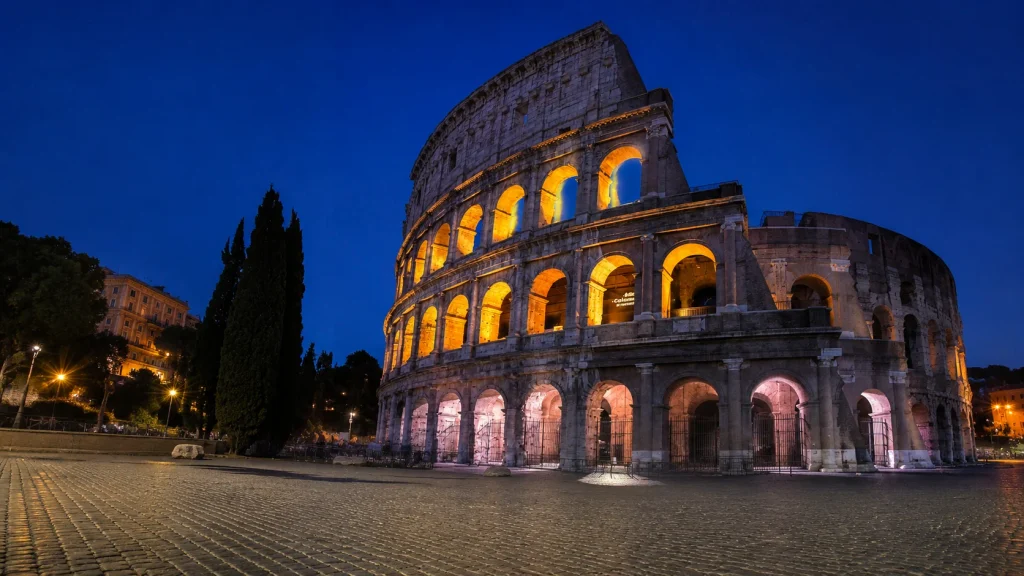
Colosseum, Roman Forum, and Palatine Hill, all covered on one combined ticket. Book the timed slot online in advance; release windows fill up fast, and walk-up lines in September can eat two hours out of your day.
🎟️ Booking tip: Buy only through the official coopculture.it portal or a licensed reseller. Standard combined entry runs around €18 to €20 for 2026.
Day 3: Vatican City
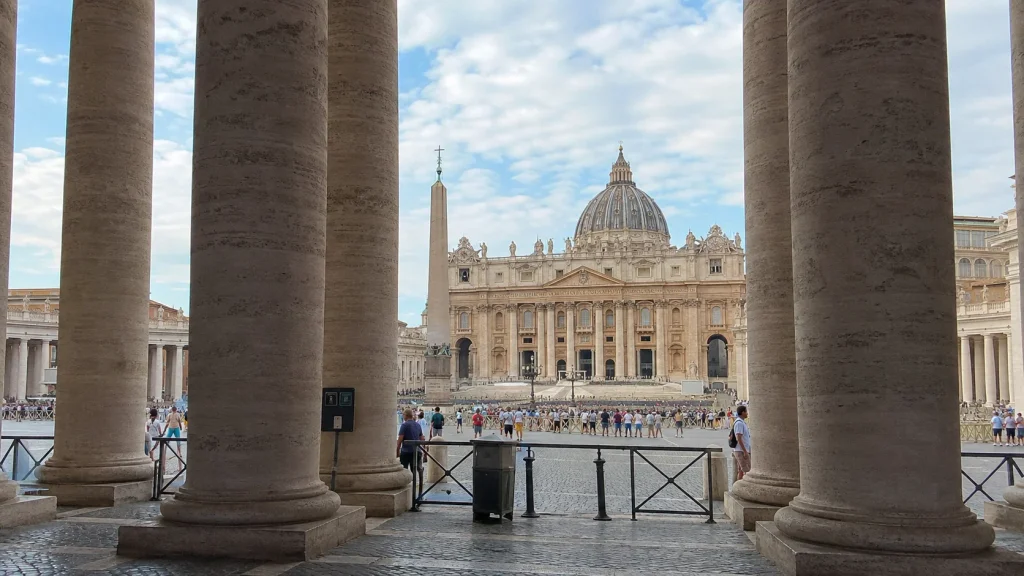
This was the day that stuck with me most. Crossing from Rome into Vatican City felt like visiting two countries in a single afternoon: different flag, different postal service, its own tiny train station tucked behind St. Peter’s. St. Peter’s Basilica is free to enter; the Vatican Museums and Sistine Chapel need a timed, paid ticket.
⛪ Dress code: Shoulders and knees covered for both St. Peter’s and the Museums. Bring a light scarf even in September heat, since it doubles as sun protection while you wait in line.
Day 4: Pantheon, Piazza Navona & the Spanish Steps
A slower day on foot through the centro storico, taking in the Pantheon’s oculus, the fountains of Piazza Navona, and the climb up the Spanish Steps before the evening crowds arrive in force.
Day 5: Trastevere and Departure
A last morning wandering Trastevere’s narrow streets, a final espresso taken standing at a bar counter the way locals do it, then back to Via Del Corso Home Roma for checkout before the drive out of the city.
✨ Top Experiences & Best Places to Visit
1. Trevi Fountain, After Dark
Skip the midday crush and come back around 10 p.m. It’s still busy, but the lit-up marble and cooler air make the coin toss feel special instead of purely transactional.
2. Vatican Museums & Sistine Chapel
Dense, occasionally overwhelming, and worth every minute you give it. An early or late entry slot cuts the crowd noticeably compared with a midday visit.
3. Colosseum & Roman Forum
The Colosseum gets the photos, but the Forum is where I slowed down the most. Walking the same stones the Senate once walked hits differently than looking down into an empty arena from a viewing platform.
4. Pantheon
Free, five minutes to see properly, and somehow still the most quietly impressive building I saw on the whole trip. The dome and the oculus alone justify a detour.
5. Trastevere at Golden Hour
Ivy-covered buildings, small piazzas, and trattorias that fill up fast once the sun drops. Arrive before 7:30 p.m. if you want a table without a wait.
🛎️ Where to Stay & Eat
Where to Stay
- 🧍 Budget, Hotel Teti: A two-star just steps from Termini station, plain but clean, with staff happy to point you toward the metro.
- 💰 Mid-Range, Via Del Corso Home Roma: Where I actually stayed. It’s a genuinely central pick: Trevi Fountain, the Roman Forum, and the Pantheon are all within easy walking distance, which mattered a lot after five days of heavy sightseeing.
- 🛎️ Luxury, Hotel Nazionale: An 18th-century building on Piazza Montecitorio, right by the Pantheon, with the kind of old-Rome elegance that’s hard to fake.
Where to Eat
- La Sandwicheria (budget): a tiny, inexpensive sandwich counter two blocks from Trevi Fountain, good for a fast lunch between sights.
- Piccolo Arancio (mid-range): a quiet Trevi-area trattoria doing carbonara, cacio e pepe, and amatriciana properly, without tourist-trap pricing.
- Al Moro (splurge): an old-school, wood-paneled institution near Trevi with a 1920s feel and a menu of Roman classics done with a touch more polish.
- Armando al Pantheon (mid-range, historic): family-run since 1961, steps from the Pantheon, and their spaghetti alla carbonara is the version I keep comparing every other carbonara to since.
💶 Budget: Cost & Money-Saving Tips
Cost of Traveling
- 🧍 Budget travelers can get by on roughly €60 to €80 a day, covering a hostel or budget B&B, one sit-down meal, and mostly walking or public transport.
- 💰 Mid-range travelers should plan for €120 to €180 a day, covering a comfortable hotel like Via Del Corso Home Roma, two real meals, and paid attractions.
- 🛎️ Luxury travelers are looking at €300 or more a day once a five-star stay, private tours, and fine dining all enter the picture together.
Money-Saving Tips
- Buy Colosseum/Forum/Palatine and Vatican tickets online in advance. Same price as at the door, but no wasted hours standing in line.
- Drink from Rome’s public nasoni fountains instead of buying bottled water constantly throughout the day.
- Sundays occasionally bring free entry to state museums; check the current calendar before you plan your whole itinerary around it.
💡 Local tip: Look for a nasone fountain before paying for water anywhere near a major sight; Rome’s tap water is safe to drink straight from them.
- A short walk away from any major landmark, prices for coffee and food usually drop compared with the spot right outside a monument.
- Consider Klook for pre-booked airport transfers rather than negotiating a taxi fare on arrival.
- An eSIM from Airalo or Yesim is usually cheaper than an airport SIM kiosk, and you can set it up before you even land.
🎒 What to Pack & Good to Know
What to Pack
- Genuinely comfortable walking shoes. Rome’s cobblestones (sampietrini) are brutal on flimsy soles by day three.
- A lightweight scarf or shawl for Vatican and church dress codes.
- A reusable water bottle for the nasoni fountains scattered across the city.
- Sunscreen, even in September, since the historic center offers little shade at midday.
Safety, Accessibility & Etiquette
Rome is generally safe for tourists, though pickpocketing around crowded sights and public transport is a real, well-documented risk. Keep bags zipped and in front of you, especially on the Metro.
🚨 Emergency number: Dial 112 anywhere in Italy for police, ambulance, or fire.
Cobblestones and limited elevators make some historic-center streets tough for wheelchairs or strollers, so it’s worth researching specific routes ahead of time if that matters for your trip. Consider travel insurance through SafetyWing or add coverage via Klook before you go, since Schengen entry can require proof of coverage.
❓ FAQ
Is it worth renting a car just to see Rome itself?
Not really. Between ZTL restricted zones, scarce parking, and traffic that takes some getting used to, a car is more useful for the road portions of an Italy trip than for the city center itself. My own overnight breakdown on the drive in only reinforced that lesson.
Do I need separate tickets to enter Vatican City?
St. Peter’s Basilica is free and open to the public, while the Vatican Museums and Sistine Chapel require a separate, timed ticket, since Vatican City is technically a different country from Italy with its own entry rules.
Is the coin toss at Trevi Fountain actually worth doing?
It’s touristy, sure, but standing in front of that much marble at night with a coin in hand still felt worth the five minutes to me. Just keep a close eye on your bag in the crowd.
How many days do I actually need in Rome?
Five days felt right for a first visit covering ancient Rome, the Vatican, and the centro storico without rushing. Three days is workable but genuinely tight for all three.
Is September a good time to visit Rome?
Yes. The worst of the summer heat has usually broken by mid-September, while evenings stay warm enough for outdoor dinners well into the month.
📋 Wrap-Up
Quick Summary for This Rome Travel Guide
- Best time to visit: September to October
- Average daily budget: €60 (budget) to €300+ (luxury)
- Ideal trip length: 5 days
- Good for: history lovers, food-focused travelers, first-time Italy visitors
Final Words Rome has a way of turning its own chaos into a good story. A dead car battery outside Florence became one of my favorite memories of the whole trip, and I doubt that’s unusual for a city that’s been absorbing surprises for over two thousand years. If Rome is one stop on a longer Italy route, my Venice travel guide covers the other end of the country’s personality entirely: canals instead of ruins. How are you splitting your time between Rome and the rest of the country?
For more real trip notes and city guides, browse the rest of the site at gotravelica.com.