Salamanca Travel Guide 2026: The University Frog, Plaza Mayor & Twin Cathedrals
🏛️ Introduction & Why Go
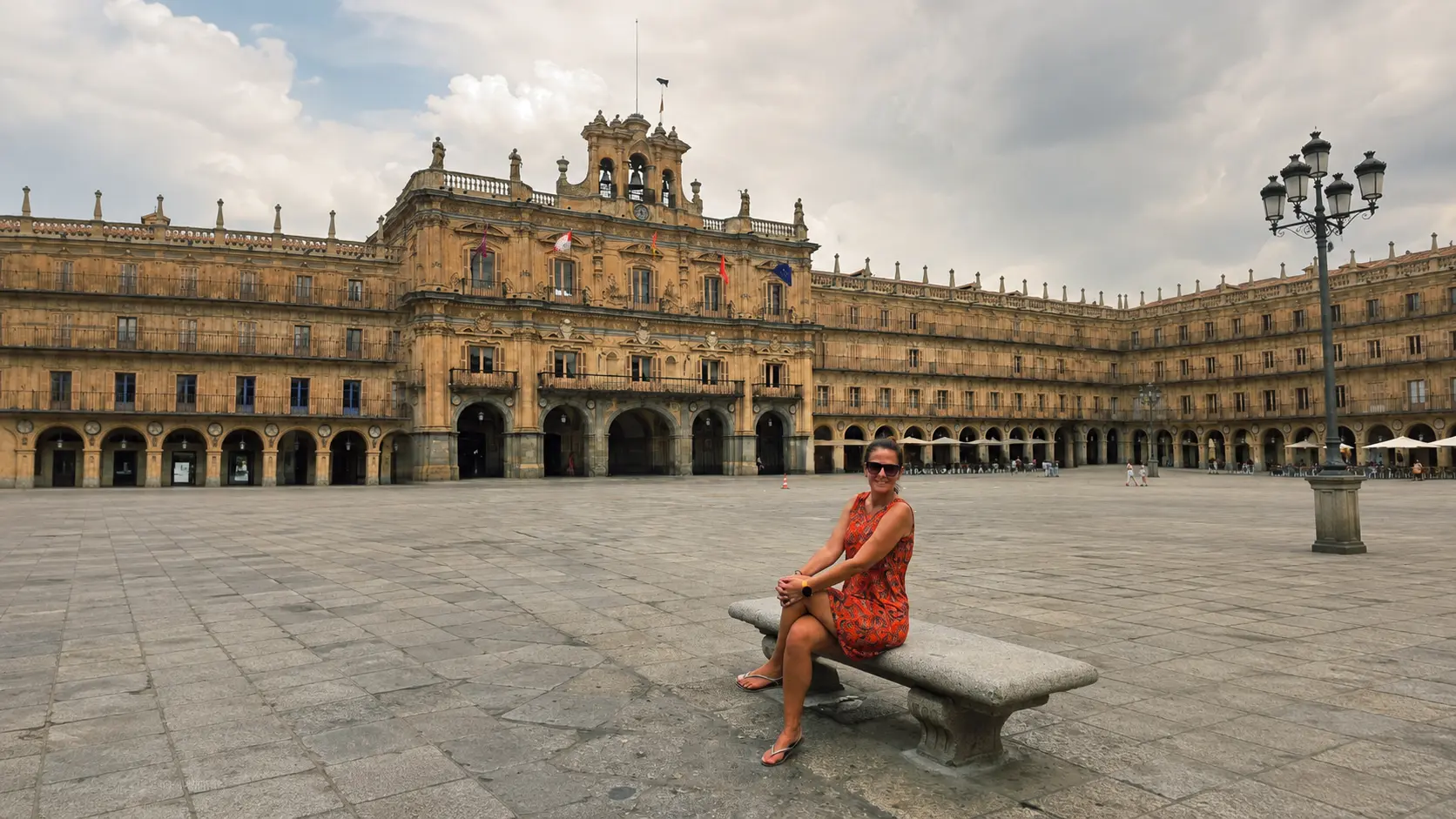
We rolled into Salamanca in August, one stop on a longer camper van route through Andalusia and up into Castile. I’d planned on a day or two, tops, and wasn’t expecting much beyond “old university town.” The Old Town caught me off guard anyway: it’s a UNESCO World Heritage Site, and the sandstone really does turn a warm honey color as the light shifts. I’d read about Salamanca’s academic pedigree beforehand, but nothing about the buskers and student bands playing under the arcades of Plaza Mayor at night, or the smell of paella drifting out of the tapas bars. I liked it enough to stay longer than planned, which tells you most of what you need to know before reading the rest of this guide.
Quick Picks:
- 💰 Budget: Silken Rona Dalba – central rooms near the historic district
- 🧍 Mid-Range: Eurostars Las Claras – quiet 4-star, minutes from San Esteban
- 🛎️ Luxury: Grand Hotel Don Gregorio – 15th-century palace with a private spa
🗺️ Practical Info: When & How to Go
Salamanca Travel Guide Quick Facts
- Visa/Entry: Spain is part of the Schengen Area. No visa is needed for most EU, UK, US, Canadian, and Australian passport holders for stays under 90 days (see callout below).
- Language: Spanish (Castilian). English is spoken in hotels and tourist-facing spots, but less so once you’re off the main squares. A translation app and some hand gestures go a long way, and locals were consistently friendly about it.
- Currency: Euro (€). Cards are widely accepted, though small tapas bars sometimes prefer cash.
- Plugs: Type C/F, 230V, standard continental European sockets.
- Mobile & Internet: An EU-wide eSIM like Airalo (or Holafly) is the easiest option if you’re road-tripping through several Spanish regions and don’t want to hunt for a local SIM shop.
- Transport tickets: Salamanca’s Old Town is fully walkable, so you won’t need city transit passes for sightseeing.
Visa callout: Non-EU travelers should double-check the 90/180-day Schengen rule before a longer Spain-Portugal road trip. It’s easy to lose track of days when you’re crossing borders by camper.
Getting There & Around
Salamanca sits about 200 km northwest of Madrid, and Madrid–Barajas is the nearest major international airport (check Skyscanner for fares if you’re flying in). From the airport, the Cercanías C1 train runs direct from Terminal 4 to Madrid’s Chamartín station in about 18–20 minutes, for a few euros. From Chamartín, Renfe trains to Salamanca take roughly 1.5–2.5 hours depending on the service, with fares generally running €14–50 (also bookable through 12Go). Buses take a bit longer, around 2.5–3 hours, but are usually cheaper, from about €14. Either way, book a few days ahead in high season for better prices. The official Salamanca tourism office has up-to-date monument hours and route maps if you want to plan beyond this guide.
If you’re renting a car for a wider Castile y León loop, compare rates on Discover Cars before you land. We were driving a camper, and Salamanca doesn’t yet have proper in-town motorhome facilities, so we parked at Parking El Río by the Tormes river and took a hotel room in town instead for the night (full details on both under Where to Stay below).
Best Time to Visit & Trip Length
Spring (April–June) and early autumn (September–October) bring the most comfortable temperatures. We went in August, which meant strong midday sun and, on one afternoon, a proper downpour with no warning at all.
Weather tip: August storms in Salamanca tend to arrive fast and pass just as quickly. If you’re out sightseeing, it’s worth knowing where the nearest café or restaurant is rather than trying to outwalk the rain.
If you’re visiting in summer, plan monuments for morning or early evening and keep an indoor backup nearby. One full day covers the highlights comfortably; two lets you slow down and sit in Plaza Mayor without rushing off.
📅 Day-by-Day Itinerary
Day 1: Old Town, the Frog, and an Unplanned Detour
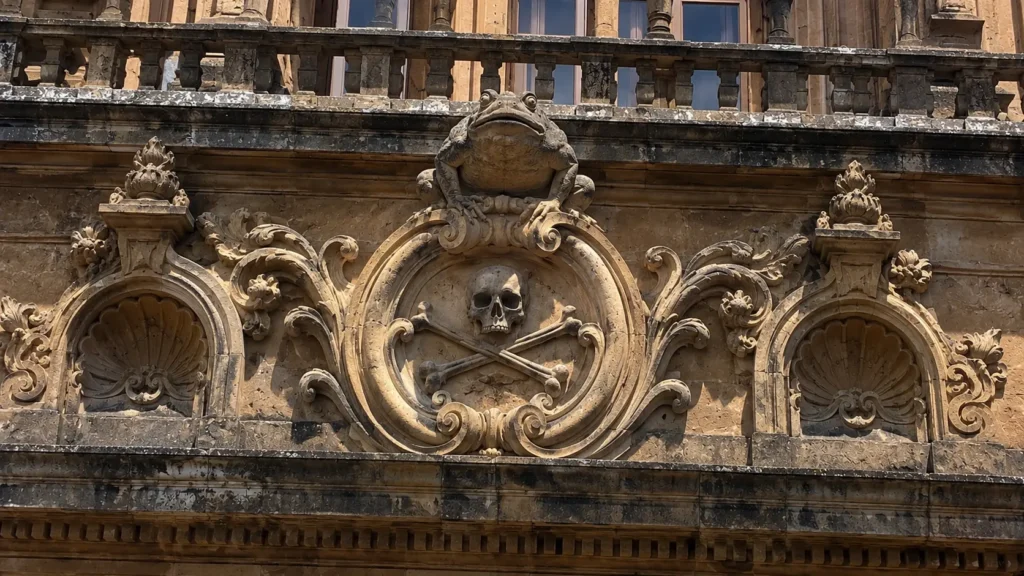
Start at the University of Salamanca (founded in 1218, the oldest in Spain) and its Plateresque facade, where the famous carved frog hides among the stonework. I’d heard the legend that finding it brings good luck and spent a genuinely stubborn amount of time scanning the carvings without any luck. I never actually spotted it, which apparently puts me in decent company. From there, walk to the twin Old and New Cathedrals, joined together and worth climbing via the Ieronimus Tower route for the rooftop views over the golden rooftops.
By early afternoon, we were headed toward the river when the sky went from clear to torrential in about ten minutes, the kind of August storm that doesn’t bother announcing itself. We ducked into Restaurante Isidro, just off Plaza Mayor on Calle Pozo Amarillo, more out of necessity than plan, and ended up staying for a long, unhurried lunch of Castilian classics while the rain hammered the awnings outside. It turned into one of the best meals of the whole trip. Round out the day with an evening stroll to Casa de las Conchas and back to Plaza Mayor for the live music that starts up once the arcades light up.
🌟 Top Experiences & Best Places to Visit
- Plaza Mayor at night — one of Spain’s grandest squares, and better after dark when the sandstone is lit up and student bands (“tunas”) and buskers take over the arcades.
- Hunting for the university frog — a small carved frog hidden in the Plateresque facade of the Escuelas Mayores building; legend says spotting it unassisted brings good luck (especially for exams). It’s honestly more hype than substance once you know the story, but the search is still a genuinely fun excuse to study the facade up close.
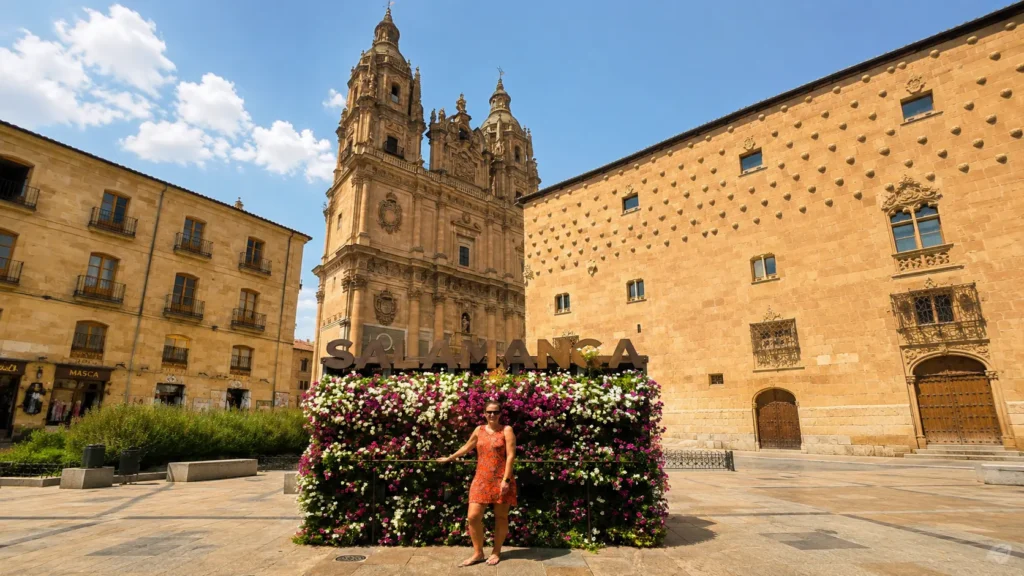
- The twin Cathedrals and Ieronimus Tower — climbing between the Old and New Cathedrals’ rooftops and towers gives the best overview of the “golden city” effect the sandstone is named for.
- Casa de las Conchas — a 15th-century palace covered in over 300 carved stone scallop shells, tied to the Santiago Pilgrimage.
- A walk along the Tormes river and Roman Bridge — quieter than the Old Town center, and a good way to see the cathedral skyline from a distance.
Frog fun fact: Historians now think the skull the frog sits on may represent Prince Juan, son of the Catholic Monarchs, and the frog his physician, who couldn’t save him. The good-luck version is more fun to believe while you’re searching the facade, though.
🍷 Where to Stay & Eat
Where to Stay
We left the camper parked at Parking El Río by the Tormes river (see the Camper/RV option below for details) and stayed at Soho Boutique Salamanca for the night instead: good water pressure and an easy walk back from Plaza Mayor after dark, worth paying for after a full day of sightseeing. A few other solid options depending on your budget:
- 🛎️ Luxury: Hospes Palacio de San Esteban, a converted 16th-century convent a short walk from the cathedrals, or NH Collection Salamanca Palacio de Castellanos for a similarly grand historic setting.
- 🧍 Mid-Range: Soho Boutique Salamanca, or Sercotel Las Torres Salamanca as an alternative in the same walkable radius.
- 💰 Budget: Los Angeles Plaza, a simple guesthouse right off Plaza Mayor, or check Hostelworld for hostel dorms if you’re traveling solo on a tighter budget.
- 🚐 Camper/RV: If you’d rather sleep in the van the whole way, Parking El Río by the Tormes river has hookups, dump points, and a short walk or bus ride to the center; check ahead if the new La Aldehuela motorhome area has opened.
Where to Eat
Restaurante Isidro on Calle Pozo Amarillo, 50 meters from Plaza Mayor, is the one I’d vouch for without hesitation: homestyle Castilian cooking, generous portions, and the kind of place that turns an accidental rain shelter into a proper meal. Beyond that:
- 🧍 Solo/Casual: Tapas-hop around Plaza Mayor and Calle Varillas for jamón ibérico and hornazo (a savory meat pie stuffed with pork loin, chorizo, and egg).
- 🛎️ A step up: Look for restaurants serving Castilian-style rice dishes with local sausage and seafood, paired with a Ribera del Duero red.
- 💰 Budget: Café Novelty on Plaza Mayor is a nice spot for people-watching, but honestly overpriced for a coffee; walk a block off the square and you’ll pay less for the same cup.
💶 Budget: Cost & Money-Saving Tips
Cost of Traveling
- Budget: Roughly €50–70/day covering a hostel bed or guesthouse, tapas-bar meals, and walking-only sightseeing.
- Mid-Range: Around €100–150/day for a boutique hotel, a couple of sit-down restaurant meals, and paid entry to the cathedrals or Ieronimus Tower.
- Luxury: €200+/day for a historic palace hotel and higher-end Castilian dining.
Money-Saving Tips
- Salamanca’s Old Town is compact and flat, so you can skip taxis entirely and just walk.
- The Ieronimus Tower climb is one of the cheapest big-view experiences in the city, just a few euros for rooftop access to both cathedrals.
- Grocery stores near the university sell picnic supplies far cheaper than a sit-down lunch if you want to stretch a day near the river.
- Hornazo makes a filling, inexpensive lunch if you’re trying to stretch a tight food budget.
- Book Madrid–Salamanca train tickets a few days ahead; prices climb closer to departure.
- If you’re already road-tripping, camper parking at Parking El Río works out far cheaper than a central hotel.
🎒 What to Pack & Good to Know
What to Pack
- Light, breathable layers if you’re visiting in summer. August afternoons get hot, and the sudden thunderstorm we hit is not unusual for the season, so pack something rain-ready too.
- Comfortable walking shoes for cobblestones; the Old Town is flat but uneven underfoot.
- A portable phone charger for photographing the sandstone at golden hour without your battery giving out mid-square.
- A reusable water bottle, since refill points are easy to find around the university area.
Safety, Accessibility & Etiquette
Salamanca is a safe city by any standard measure, with the usual big-square pickpocket caution applying more than any serious risk. The Old Town’s cobblestones and occasional steps can be tricky for wheelchairs or strollers in a few spots, though most major sights are accessible.
Emergency & insurance: The emergency number across Spain is 112. Travel insurance is worth having regardless of how careful you are; SafetyWing covers most road-trip and multi-country itineraries if you’re continuing on through Portugal or elsewhere in Spain.
❓ FAQ
Did you actually find the frog on the university facade?
No, I looked for a long time and never spotted it. It’s smaller and better hidden than most photos suggest, so don’t be surprised if you leave empty-handed too.
Is the language barrier a real problem in Salamanca?
Not really. English is common in hotels and near the university, but in smaller local spots we mostly got by with a translation app and friendly gestures, and never had an issue being understood.
Where do you park a camper van in Salamanca?
There’s no dedicated in-town motorhome area yet, though one is planned near La Aldehuela. Parking El Río, a private camper site by the Tormes river about 2 km out, is the most reliable option with hookups and dump points.
Is Salamanca worth visiting in August despite the heat?
Yes, but plan around it: mornings and evenings for sightseeing, and expect the occasional sudden storm. If you have flexibility, spring or early autumn are more comfortable.
Is one day enough, or should I stay overnight?
A single day covers the major sights, but staying longer is worth it if you can. I’d budgeted a day or two and kept extending it once I saw how different the city felt after dark, with the live music and lit-up sandstone in Plaza Mayor.
📋 Quick Summary & Final Words
Here’s the quick-glance version of this Salamanca travel guide:
- Best time: Spring (Apr–Jun) or early autumn (Sep–Oct); August works with heat/storm planning
- Average daily budget: €50–150 depending on style
- Ideal trip length: 1–2 days, longer if the city wins you over the way it did us
- Good for: history lovers, road-trippers passing through Castile, a slower-paced counterpoint to Madrid
Salamanca ended up being one of those stops I hadn’t built up much anticipation for and left thinking about regardless: the golden light on the cathedrals, an unfound frog, and an accidental lunch at Restaurante Isidro that turned out better than anything I’d planned. If you’re routing a Spain trip through Castile y León, it’s worth more than a rushed afternoon. Have you gone frog-hunting on the university facade? Did you actually spot it?
For more real trip reports and destination guides, check out the rest of gotravelica.com.