Valencia Travel Guide 2026: Silk Markets, Gothic Towers and Mediterranean Afternoons
🌅 Introduction & Why Go
I hadn’t planned much beyond “explore the old town” when Valencia showed up as a stop on my longer Andalusia route in August. What stuck with me wasn’t a single landmark. It was how easily the city let me slow down between them, from a shaded café table in El Carmen to a stone tower with the whole skyline laid out underneath it.
Valencia works as a standalone trip or, like mine, a detour on a bigger Spanish itinerary. A few reasons it earns the stop:
- A compact old town where UNESCO-listed buildings sit a short walk from each other
- Europe’s largest covered food market, still doing daily business rather than performing for tourists
- Warm, dry August weather that rewards early starts and late afternoons over midday sightseeing
Quick Picks: Where to Stay
- 🧍 Budget: Home Youth Hostel Valencia, dorm and private rooms steps from the Central Market
- 🛎️ Mid-Range: MYR Puerta Serranos, a renovated pick near the old city gates
- 💎 Luxury: Caro Hotel, a boutique five-star inside a converted historic mansion
🧭 Practical Info: When & How to Go
Quick Facts
- Visa/entry: Spain is in the Schengen Area. EU/Schengen citizens need no visa. Travellers from most visa-exempt countries can stay up to 90 days within any 180-day period; other nationalities need a Schengen visa arranged in advance. 🛂 From late 2026, visa-exempt non-EU travellers will also need an ETIAS pre-authorization before flying in. Check spain.info for the latest rollout date before you book.
- Language: Spanish and Valencian (Catalan); English is common in the centre, less so outside it
- Currency: Euro (€)
- Plugs: Type C/F, 230V
- Mobile & internet: An eSIM is the easiest fix for a short stay; see the options in Good to Know below
- Transport tickets: Valencia Metro/EMT bus system uses a rechargeable card (Mobilis or the tourist SUMA10 pass)
🚕 Getting There & Around
Valencia Airport (VLC) sits about 8km from the centre; the metro (Line 3/5) connects it directly to the old town in roughly 25 minutes, cheaper than a taxi. Compare flight options on Skyscanner before you commit to dates. If you’d rather skip the transfer altogether, book a private airport transfer that meets you at arrivals.
Inside the old town, everything worth seeing is walkable, and I covered the Silk Exchange, Central Market and El Carmen on foot in a single stretch. For day trips or if you’re arriving from another Spanish city, check routes and fares through 12Go. Renting a car isn’t necessary for the city itself, but if your route continues elsewhere in Spain, compare rental deals here.
Best Time to Visit & Trip Length
August delivers reliable sun and long evenings, though the midday heat is real. I shifted sightseeing to mornings and early evenings and used the afternoon lull for a café break. Spring and early autumn are gentler if you’d rather not chase shade. Two to three full days cover the historic centre comfortably; add a day if you want the beach or a paella lunch out at Albufera.
🏰 Valencia Travel Guide: Day-by-Day Itinerary
Day 1: Old Town Landmarks
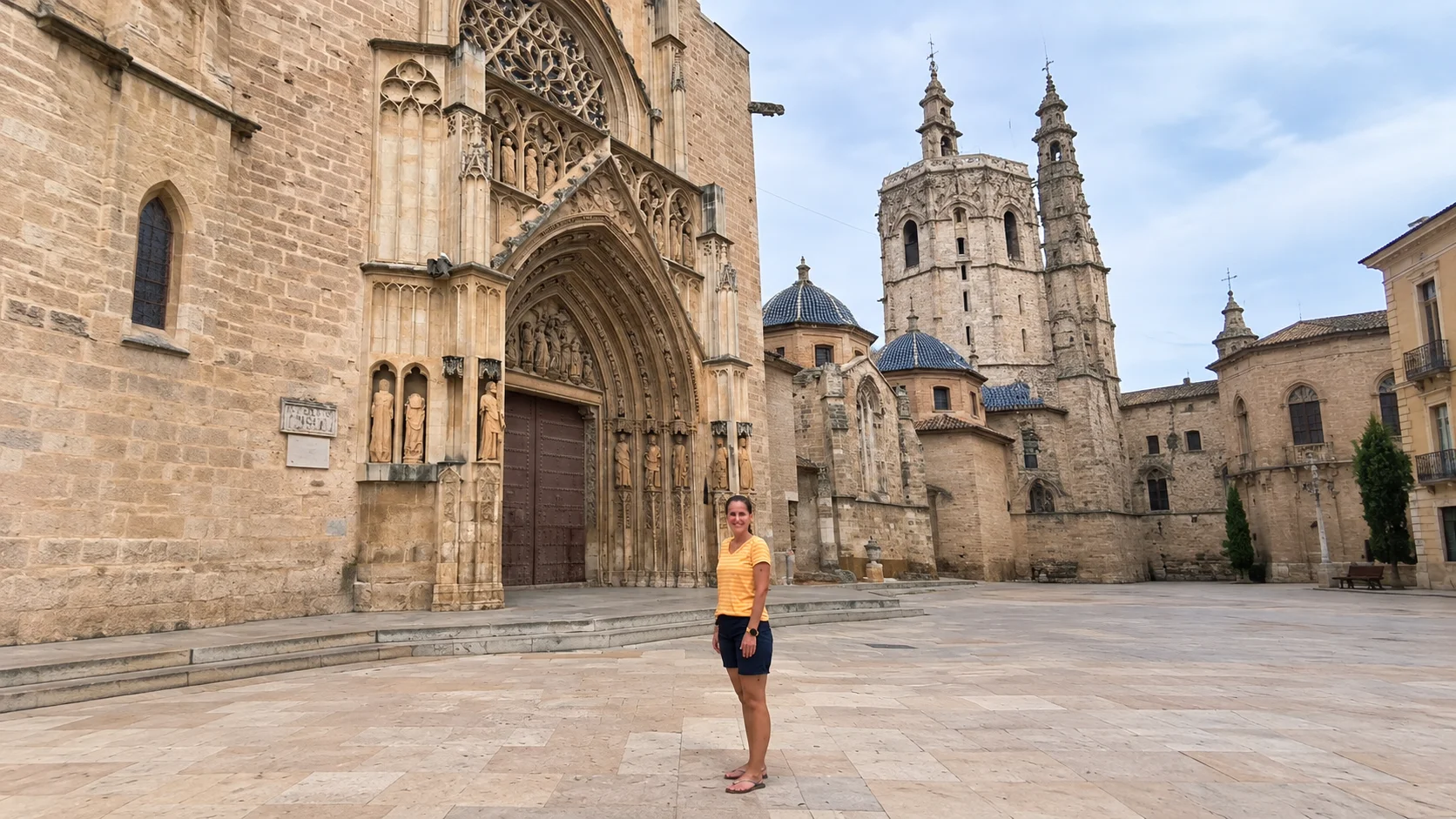
I started at Plaza de la Reina, where Valencia Cathedral’s Gothic portal and the octagonal El Miguelete bell tower sit side by side. It’s a natural first stop before the streets get busy, and a good spot to get your bearings in the old town.
From there, the Llotja de la Seda (Silk Exchange) is a short walk away: a UNESCO World Heritage building that once housed the city’s silk traders. The main hall’s twisted columns are worth the ticket price alone, and it’s rarely crowded first thing in the morning.
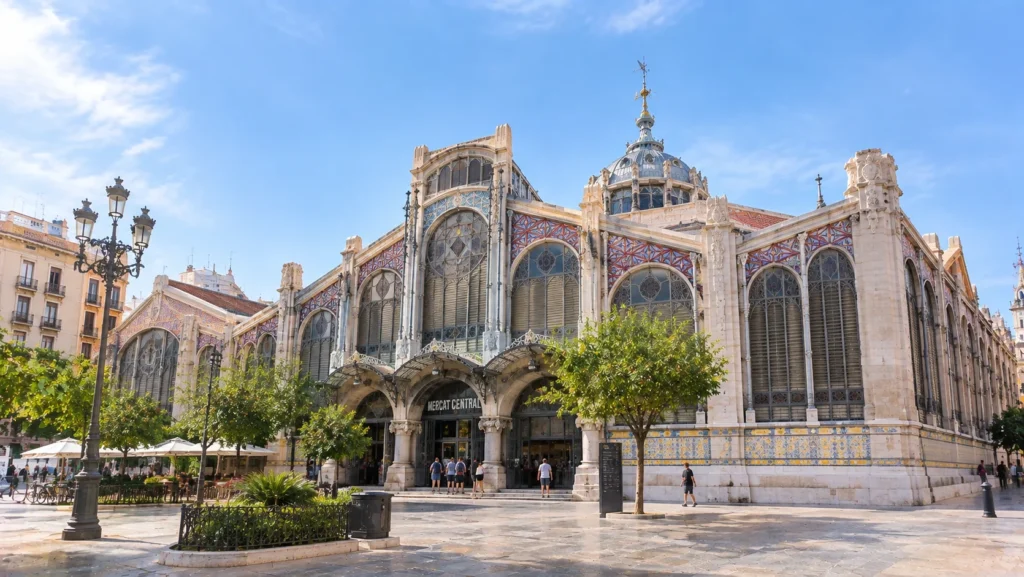
Next door is the Central Market (Mercat Central), one of Europe’s largest covered markets and still a working food hall rather than a tourist stop. I wandered the produce and jamón stalls before settling in for a market-fresh lunch.
Day 2: El Carmen and the City Walls
Spend the morning drifting through El Carmen, Valencia’s oldest neighbourhood, known for narrow lanes and street art layered onto centuries-old façades. I stopped at one of the small cafés tucked into the quarter for a slow coffee, with no real agenda beyond people-watching from a shaded table.
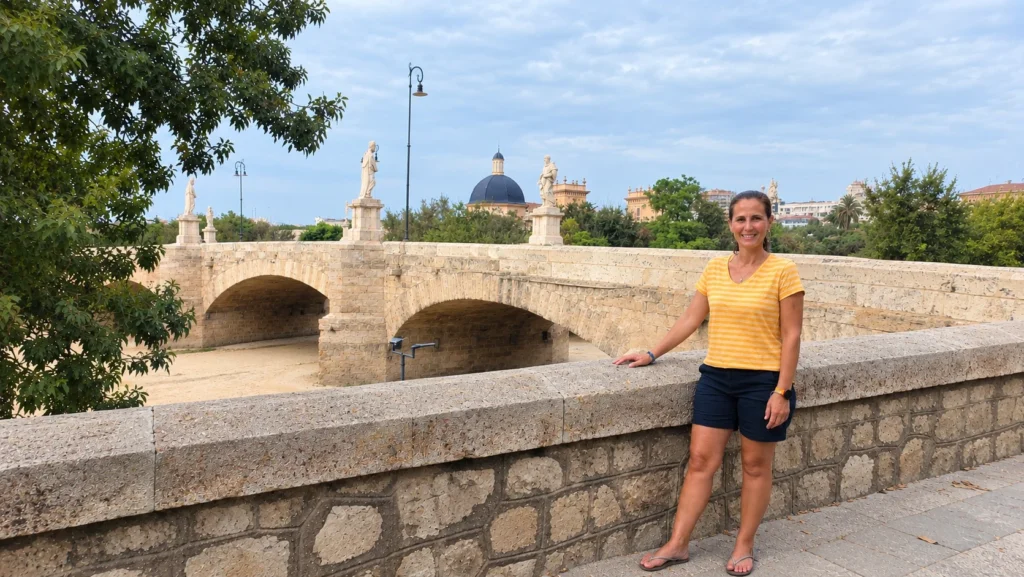
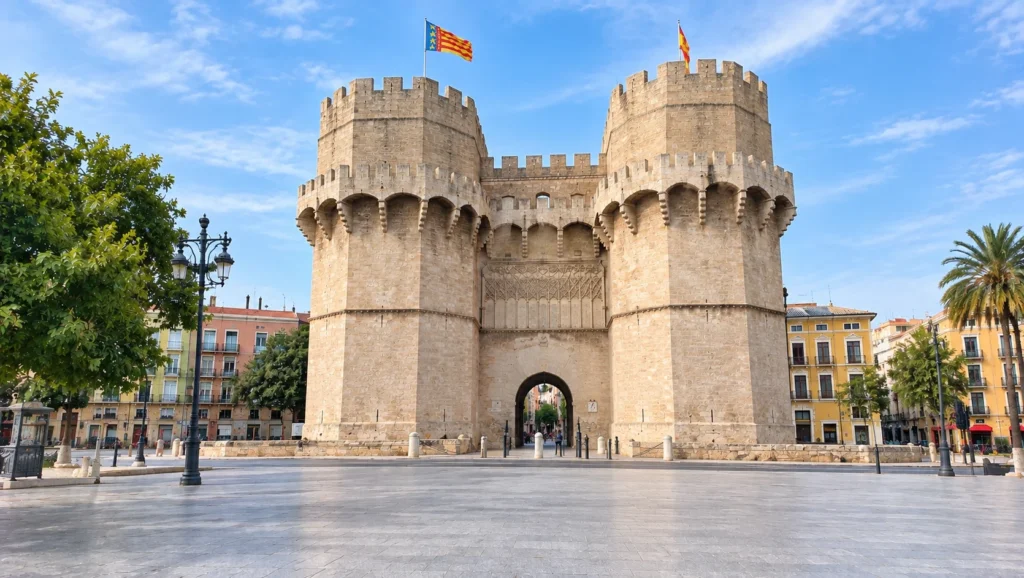
Later, climb Torres de Serranos, one of the old city gates, for a view over the rooftops and the dry Turia riverbed park below. It’s a fairly steep, narrow staircase, so go with proper shoes rather than sandals.
💡 Both towers and the Silk Exchange keep shorter hours on Sundays and public holidays. Check opening times the night before so you don’t plan around a closed door.
Day 3: Beyond the Old Town (optional)
If you have a third day, use it for the City of Arts and Sciences, Santiago Calatrava’s futuristic complex of science museums, an aquarium and a planetarium built along the old riverbed south of the centre. It’s a striking contrast to the Gothic old town and easy to combine with a beach afternoon at Playa de la Malvarrosa afterward. Both are outside the historic core but easy to reach by tram or a short taxi ride.
⭐ Top Experiences & Best Places to Visit
- Llotja de la Seda: the UNESCO-listed silk exchange, still one of the best-preserved Gothic civil buildings in Europe
- Central Market (Mercat Central): enormous, ornate ironwork ceiling over stalls selling everything from local cheese to fresh-squeezed orange juice
- El Carmen: the old artsy quarter, worth visiting for the street art and staying for the cafés
- Torres de Serranos: climb for a rooftop view of the city without the crowds of the cathedral tower
- Turia Gardens: the old riverbed turned into a long green park that threads through the whole city
🛏️ Where to Stay & Eat
Where to Stay
- Budget: Valencia Lounge Hostel, a stylish, sociable base right in El Carmen, a short walk from the Central Market and Cathedral
- Mid-Range: Hotel Plaza View, the hotel I stayed in myself, right on Plaza del Ayuntamiento and an easy walk to every sight in this guide
- Luxury: Hospes Palau de la Mar, a refurbished 19th-century palace near the historic centre with a grand marble lobby
Where to Eat
One personal opinion: the restaurants with laminated photo menus and someone standing outside trying to wave you in are rarely the best paella in the neighbourhood, however central they look on the map. The places locals actually queue for tend to be a street or two further in.
- Budget: Restaurante Yuso, a local favourite in El Carmen for paella valenciana at a fair price; call ahead to reserve
- Mid-Range: La Riua, a short walk from Plaza de la Reina, known for traditional paella and arròs negre
- Splurge: Canalla Bistro, chef Ricard Camarena’s informal Ruzafa spot built around local ingredients with an international twist
💶 Budget: Cost & Money-Saving Tips
Cost of Traveling
A budget traveller can get by on roughly €50-70 a day (hostel bed, market lunches, metro fares). Mid-range travellers should budget €100-150 a day for a comfortable hotel and sit-down meals, while a luxury stay with fine dining pushes past €250 a day.
Money-Saving Tips
- Eat your main paella meal at lunch, when it’s traditionally served and often cheaper than the same dish at dinner
- Buy a rechargeable Mobilis card instead of single metro tickets if you’re taking more than a couple of rides
- Visit the Silk Exchange and Torres de Serranos early on a weekday to skip the busiest hours without paying for a skip-the-line ticket
- Market lunches at Central Market cost a fraction of a sit-down restaurant meal for similar quality ingredients
- Walk the old town rather than taxi between sights; nothing in the historic centre is more than 20 minutes apart on foot
🎒 What to Pack & Good to Know
What to Pack
- Comfortable, closed-toe shoes for the steep, narrow staircase inside Torres de Serranos
- A light scarf or hat for shade during the hottest midday hours in summer
- A portable phone charger for a full day of walking between the old town and Turia Gardens
- An eSIM from Airalo or Yesim set up before landing, so you’re not hunting for WiFi at the airport
Safety, Accessibility & Etiquette
Valencia’s old town felt safe to walk during the day and evening alike; standard city precautions (watch bags in market crowds) are enough. The emergency number across Spain is 112. Cobbled streets in El Carmen can be uneven for wheelchairs and strollers; the Turia Gardens paths are a flatter alternative. Consider travel insurance or a policy from SafetyWing for the trip, especially if it’s part of a longer multi-country route.
On timing: Valencians tend to eat later than much of Northern Europe, with lunch around 2 PM and dinner rarely starting before 9 PM. Some smaller shops and restaurants in the old town still close for a few hours in the early afternoon, so don’t be surprised if a place you were counting on is shuttered right when you’re hungriest.
❓ FAQ
Is the Central Market open every day?
No, it typically closes on Sundays, so plan a weekday or Saturday visit if the market is a priority for you.
Do I need to book Llotja de la Seda tickets in advance?
It’s not usually necessary outside peak summer weekends, but arriving right at opening avoids both the queue and the midday heat.
Is three days enough to see Valencia’s old town?
Yes. Two to three days comfortably covers the Silk Exchange, Central Market, El Carmen and the city towers, with a spare day for the beach or City of Arts and Sciences if you have it.
Is Valencia walkable, or do I need to use the metro often?
The historic centre is entirely walkable; the metro is mainly useful for the airport transfer or a beach trip rather than getting around downtown.
Which neighbourhood should I stay in?
El Carmen and the area around Plaza del Ayuntamiento both put you within walking distance of the Silk Exchange, Central Market and Torres de Serranos, which is why every hotel in this guide sits in one of those two pockets.
👋 Wrap-Up
This Valencia travel guide comes down to a few numbers if you’re short on time:
Quick Summary
- Best time to visit: Spring, early autumn, or August if you don’t mind the heat and shift sightseeing to mornings
- Average daily budget: €50-70 (budget) to €150+ (mid-range/luxury)
- Ideal trip length: 2-3 days
- Good for: Solo travellers, couples, and anyone routing through on a wider Spain itinerary
Valencia doesn’t ask you to rush. The Silk Exchange and Central Market give you the postcard moments, but it was the unplanned coffee break in El Carmen and the climb up Torres de Serranos that made the stop worth it. If you’re weaving Valencia into a longer Spanish route, what’s the rest of your itinerary looking like: coast, inland, or both? My guides to Salamanca, Barcelona and Zaragoza cover other stops worth adding if you haven’t planned that far yet.
For more real trip notes and city guides, browse the rest of the site at gotravelica.com.