Barcelona Travel Guide 2026: Gaudí’s Masterpieces, Flamenco Nights, and Honest Timing Advice
✈️ Introduction & Why Go
I’ve returned to Barcelona several times since 2008, and I still haven’t tired of it. The city rewards repeat visits in a way few others do; a new detail on a Gaudí façade, a different tapas bar down a side street, a fresh reason to walk La Rambla one more time. My most recent trip was in August, and if there’s one thing I’d change, it’s the season. Barcelona in peak summer is a furnace, and spring would have made every day of walking far more pleasant.
That said, the city’s pull is real. Gaudí’s architecture turns sightseeing into something closer to wandering through a dream, the food scene rewards anyone willing to eat where locals eat, and the Gothic Quarter’s narrow lanes make it easy to lose an afternoon without noticing.
Quick Picks: Where to Stay
- 🧍 Budget: Malacuna Barcelona, a rooftop-terrace hostel a few steps from La Rambla
- 🛎️ Mid-Range: Petit Palace Boquería Garden, a boutique pick right by the market
- 💎 Luxury: Grand Hyatt Barcelona, polished service, praised concierge desk
🧭 Practical Info: When & How to Go
Quick Facts
- Visa/entry: Spain sits in the Schengen Area. Many nationalities can enter visa-free for short stays; others need a Schengen visa arranged in advance.
- Language: Spanish and Catalan (both official), and most tourist-facing staff speak English too
- Currency: Euro (€)
- Plugs: Type C/F, 230V
- Mobile & Internet: an eSIM saves you hunting for a local SIM card on arrival
- Transport tickets: the T-Casual card (10 rides, shared across metro and bus) is the simplest option for short stays
Visa rules change by nationality and can shift year to year — check your country’s requirements with the nearest Spanish consulate before booking flights.
Getting There & Around
Barcelona–El Prat Airport (BCN) is the main gateway, and Skyscanner is worth a quick check before you commit to dates, since fares swing a lot with the season. From the airport, the Aerobus runs straight to Plaça de Catalunya in about 35 minutes, or the Metro’s L9 Sud line connects if your hotel sits closer to a station than the bus route. For an airport transfer booked ahead of time instead, gettransfer is a straightforward option.
If you want a day trip outside the city (Montserrat, Girona, or the Costa Brava all work well), Klook has affordable transport bookings, and a rental car through economybookings makes sense if you’re combining Barcelona with a wider Catalonia loop.
Best Time to Visit & Trip Length
April through June and September through October are the sweet spot: warm enough for outdoor sightseeing, cool enough that walking all day doesn’t wear you down. July and August bring both the heat and the cruise-ship crowds at once, which is exactly the combination that made my last visit harder than it needed to be. Three to four days covers the essentials comfortably; add a fifth if you want a Montserrat or Girona day trip.
🗺️ Day-by-Day Itinerary
Day 1: La Rambla and the Gothic Quarter
Start at Plaça de Catalunya and walk La Rambla toward the harbor. Duck into the Mercat de la Boqueria early, while the stalls are still setting up and the crowds haven’t caught on yet. This market became a daily habit of mine on one trip: fresh sandwiches most mornings, watching vendors arrange fruit into color-coded pyramids before the tourist rush arrived. From there, the Gothic Quarter’s maze of alleys leads to the Barcelona Cathedral, worth ducking into even if Sagrada Família is still ahead of you.
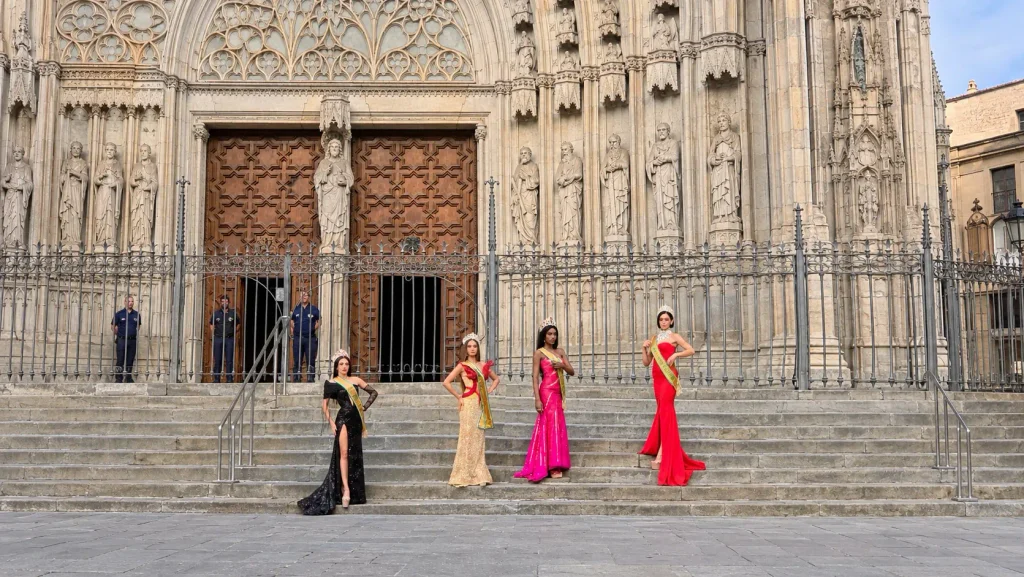
Spend the rest of the afternoon simply getting lost in the Barri Gòtic. The streets narrow to almost nothing in places, opening suddenly onto small squares like Plaça Reial, lined with palm trees and cafés. It’s not an itinerary stop with a specific address so much as a way of spending two or three unhurried hours, and it’s one of the few parts of Barcelona that feels roughly the way it must have decades ago.
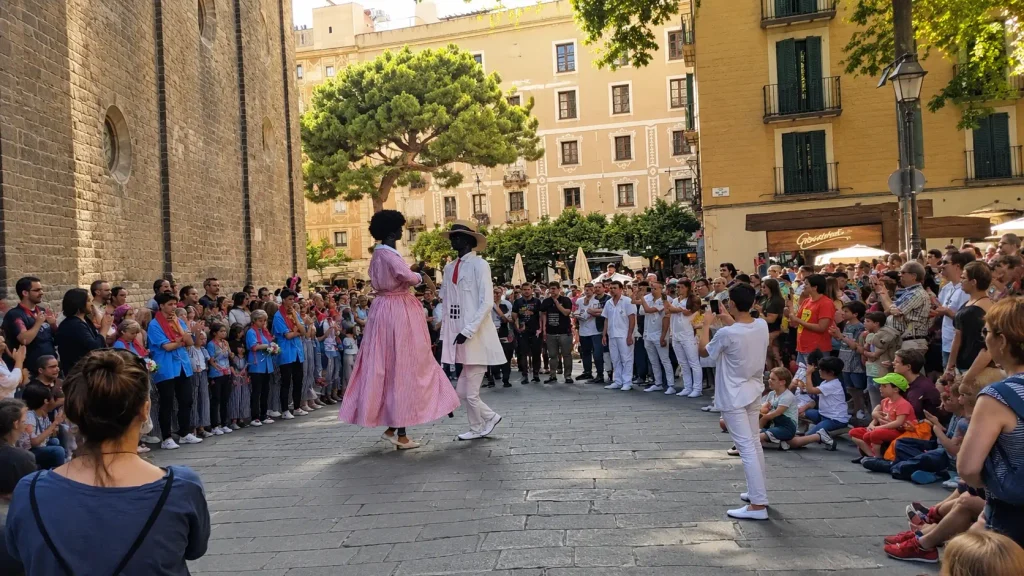
If your dates land in late May or June, keep an eye out for Barcelona’s Corpus Christi procession, when the city’s own gegants — giant figures in centuries-old costume, guided from beneath their skirts by handlers holding poles — wind through the narrow streets around the Cathedral. I wasn’t planning around it at all when I visited in June 2019; I just turned a corner near the Cathedral and found the street packed, with pairs of giants in period dress swaying past the Gothic stonework while a crowd pressed in on both sides under a lone pine tree in the little square. It’s not on the standard checklist, which is part of why it stuck with me.
The gegants procession follows the Sunday after Corpus Christi, so the date shifts every year, usually landing in late May or June. Check Barcelona’s cultural calendar ahead of time if you’d rather plan around it than stumble into it.
Day 2: Gaudí Day
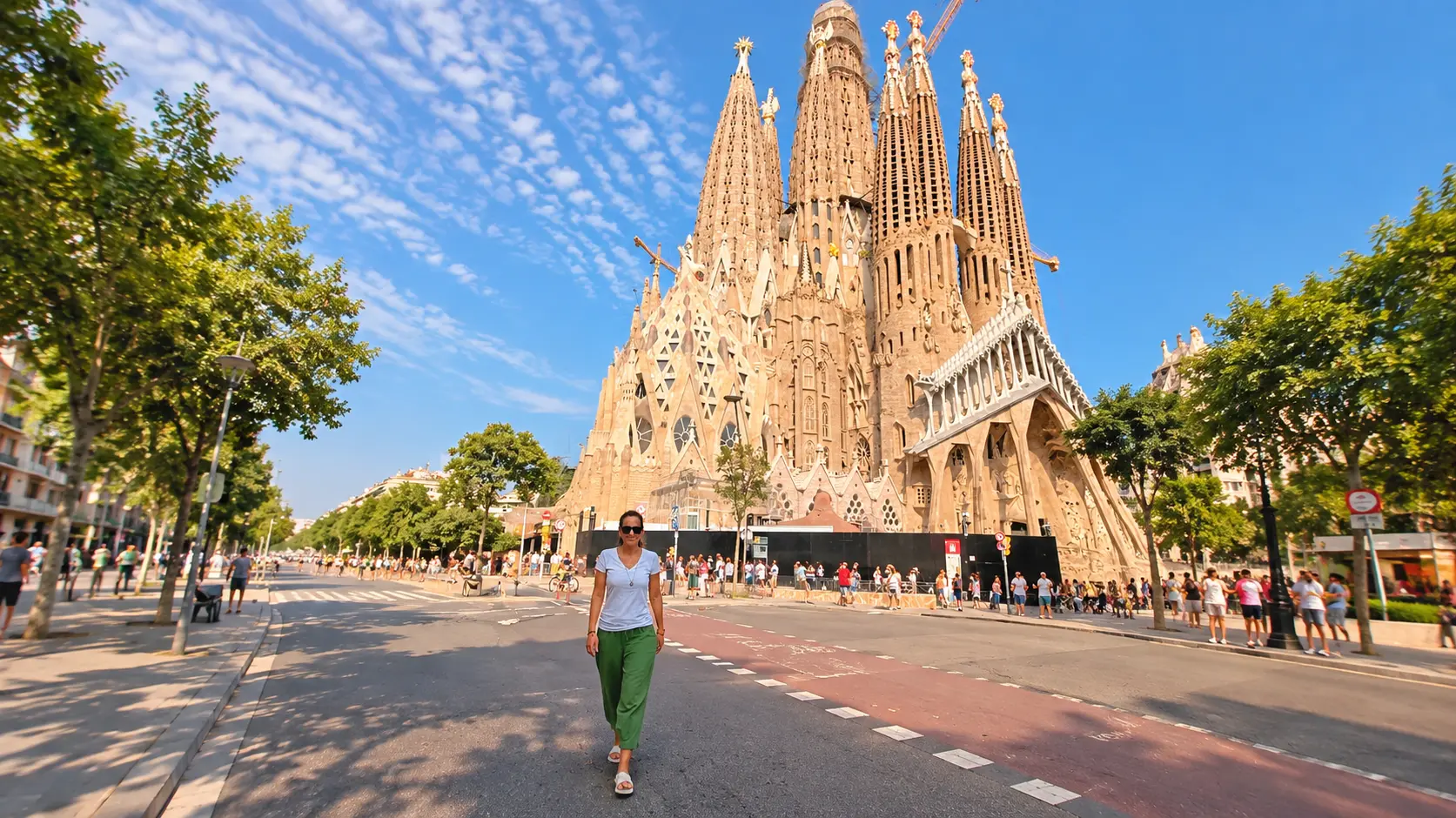
Book Sagrada Família for the morning, before the light gets harsh and the lines get long. In the afternoon, head to Park Güell. I first visited in 2008, when the whole park was still free — that changed in 2013, when the Monumental Zone introduced paid entry, and prices have climbed since. Book your timed slot online rather than showing up and hoping.
Park Güell tickets sell out by time slot, especially in summer. Reserve at least a few days ahead through the official site or a verified reseller.
Day 3: Beach, Views, and Flamenco
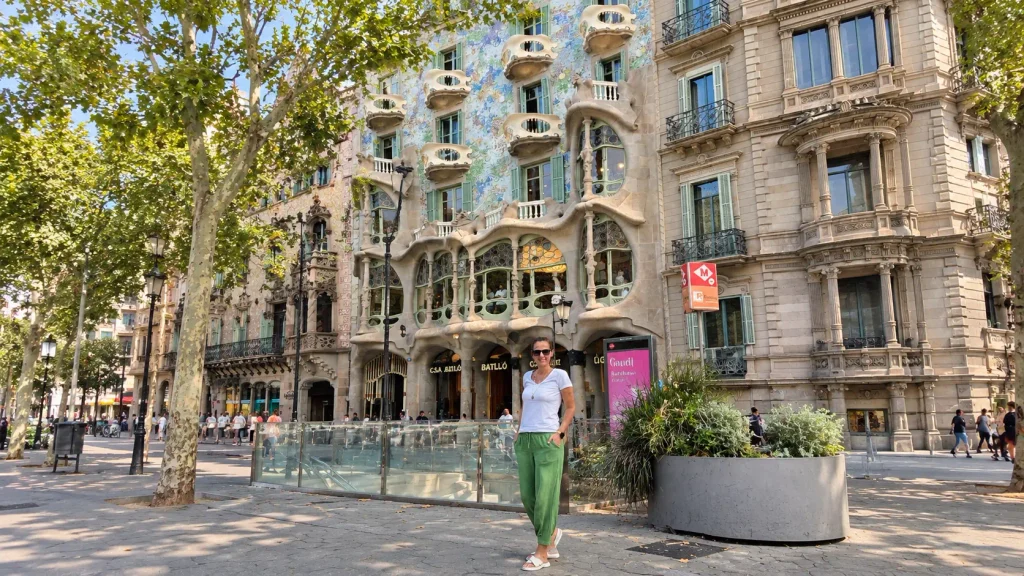
Spend the morning around Passeig de Gràcia, admiring Casa Batlló and Casa Milà from the outside if you’d rather save the entry fees for other attractions. In the afternoon, head to Barceloneta for a swim and a late lunch by the water. Save the evening for a flamenco show, since it’s the one experience from my trips that actually changed something in my life back home (more on that below).
🎭 Top Experiences & Best Places to Visit
1. Sagrada Família
Still evolving after more than a century, and each of my visits has shown a little more progress. The exterior towers are essentially complete now — the central Jesus Tower reached its final height around Gaudí’s 2026 centenary — but step inside and you’ll still find scaffolding and stonework in progress; the interior detail work is expected to run well past this decade. The stained-glass light show through the nave alone justifies the visit, construction or not.
2. Park Güell
The mosaic terraces and the serpentine bench are worth the current entry fee, though the paid Monumental Zone has gotten less generous over the years relative to what it costs — the free outer park still gives you most of the view for nothing.
3. A Flamenco Show at Tablao Cordobés
Founded in 1970 and still running nightly shows right on La Rambla, this tablao is where I watched my first live flamenco performance. I liked it enough that I went home afterward, had a pair of the clacking heeled shoes made, and started taking flamenco lessons myself. Not every traveler comes home with a new hobby, but this is the kind of evening that can plant the idea.
Dinner-and-show combinations at Tablao Cordobés sell out first, especially on weekends. Book a table a few days ahead rather than walking up.
4. Mornings at Mercat de la Boqueria
Skip the stalls closest to La Rambla’s entrance, which cater almost entirely to passersby, and head deeper in. El Quim de la Boqueria is a solid, honest counter for a market breakfast.
5. Barceloneta Beach
A proper city beach, with beach bars and paella restaurants lining the boardwalk. Go early if you want space to actually swim.
🏨 Where to Stay & Eat
Where to Stay
- 🧍 Budget: Hostal Levante, a straightforward low-cost option a short walk from La Rambla.
- 🛎️ Mid-Range: Hotel Regina Barcelona, where I’ve stayed myself. It sits just off Plaça de Catalunya, a few minutes’ walk from La Rambla, and the location makes up for the fairly standard rooms.
- 💎 Luxury: Hotel 1898, housed in the former Philippine Tobacco Company building right on La Rambla, for travelers who want history built into the walls.
Where to Eat
For the paella that hooked me back in 2008, Can Culleretes is one of Barcelona’s oldest restaurants, tucked just off La Rambla, and it still does a traditional Valencian-style paella well. For a special-occasion dinner, 7 Portes near the harbor has been serving rice dishes for well over a century. And for a cheap, fast, genuinely good lunch, the Boqueria’s market counters beat most sit-down restaurants on La Rambla itself.
💰 Barcelona Travel Guide Costs: Budget & Money-Saving Tips
Cost of Traveling
- 🧍 Budget travelers can expect around €70–90 a day: hostel bed, market meals, and a T-Casual transit card covering it.
- 🛎️ Mid-range travelers land closer to €150–200 a day with a 3–4 star hotel, sit-down meals, and one paid attraction daily.
- 💎 Luxury travelers should budget €350 or more a day for five-star stays, fine dining, and private guided tours.
Money-Saving Tips
- Book Sagrada Família and Park Güell tickets directly through official channels; resale markups add up fast.
- Eat at least one meal a day at the Boqueria instead of a restaurant on La Rambla itself.
- Get a T-Casual card on day one rather than buying single tickets.
- If Park Güell’s fee doesn’t fit your budget, the free outer park still delivers views and greenery.
- Walk the Gothic Quarter and El Born instead of taking taxis; nothing there is far.
🎒 What to Pack & Good to Know
What to Bring
Pack light, breathable clothing if you’re visiting in summer, and bring layers instead for spring or fall. Comfortable walking shoes matter more than anything else on this list; you’ll cover a lot of ground, and cobblestones in the Gothic Quarter are unforgiving on anything with a thin sole. A cross-body bag with a secure zip is worth the small extra weight, for reasons covered below. A reusable water bottle helps too, since public fountains are common but August heat empties a bottle fast. For connectivity, Yesim or Airalo eSIMs both work well and save the hassle of a physical SIM card.
Safety, Accessibility & Etiquette
Barcelona is generally safe, but pickpocketing on La Rambla and on crowded metro lines is a well-known issue, not a rumor. The emergency number across Spain is 112. Travel insurance is worth arranging before you fly; SafetyWing covers most short trips affordably, and Klook also offers trip insurance add-ons alongside its tours.
Keep bags zipped and worn in front of you, especially around the Boqueria entrance and Plaça de Catalunya — the two spots where pickpocketing complaints come up most often.
❓ FAQ
Is Park Güell still worth visiting now that the Monumental Zone charges admission?
Yes, though it’s a different experience than it was before 2013. The mosaic terrace and serpentine bench are the main draw, and they’re inside the paid zone. Budget travelers can still get a good sense of the park from the free outer sections.
Is August a good time to visit Barcelona?
Not really, based on my own last trip. The heat is intense and the crowds are at their thickest. April through June or September through October make for a far more comfortable visit.
Is La Rambla safe to walk every morning?
Yes, during the day it’s simply busy and touristy rather than dangerous. Just keep valuables secure, since pickpocketing is the main real risk rather than anything more serious.
Do I need to book Sagrada Família and Park Güell tickets in advance?
Yes, both sell out by time slot regularly, especially from spring through early fall. Book at least a few days ahead.
Is a flamenco show in Barcelona authentic, or just for tourists?
It depends on the venue. Tablao Cordobés has been running since 1970 and is taken seriously by flamenco circles, not just packaged for visitors. It was real enough to send me home wanting to learn the dance myself.
Is Barcelona expensive compared to the rest of Spain?
It runs noticeably higher than smaller Spanish cities, particularly for hotels and anything directly on La Rambla. Stepping a few streets back from the main tourist strip, or eating where the market crowd eats, closes most of that gap.
✅ Wrap-Up
Quick Summary This Barcelona travel guide comes down to a few numbers if you’re short on time:
- Best time to visit: April–June or September–October
- Average daily budget: €70–90 (budget) to €350+ (luxury)
- Ideal trip length: 3–4 days
- Good for: architecture lovers, food-focused travelers, first-time Spain visitors
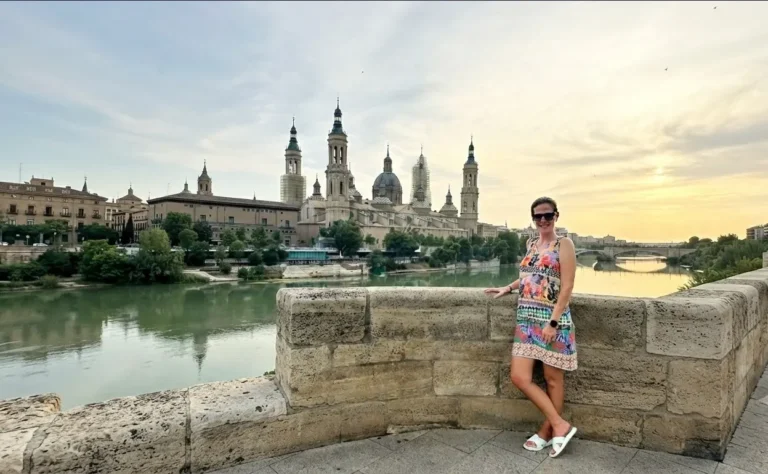
Barcelona has pulled me back more than once, and each visit has added a different layer: the paella that hooked me in 2008, a park that used to be free, a flamenco show that turned into an actual hobby back home. If you’re weighing when to go, take the timing advice seriously and aim for spring. If Barcelona is only one stop on a wider Spain trip, I’ve also written up Zaragoza and Ibiza, two very different sides of the same country. What part of this trip are you most torn on planning first: the Gaudí sites, or figuring out where to eat?
For more real trip notes and city guides, browse the rest of the site at gotravelica.com.