Madrid Travel Guide 2026: Retiro Boat Rides, Plaza Mayor Nights, and Missing a Bus to Barcelona
🏛️ Introduction & Why Go
A Madrid travel guide usually opens with the Royal Palace or the Prado. Mine opens with a bus I never caught. I’d planned to ride straight through to Barcelona after a few days in the Spanish capital, timed the connection badly, and watched the departure board flip to the next slot instead. That kind of hiccup turns out to be a fairly normal part of traveling through Madrid. The city runs on its own unhurried rhythm, and it rewards travelers who build in some slack.
I’ve now been twice, first in 2009 and again in 2026, and both trips left me with the same impression: Madrid doesn’t perform for tourists the way some capitals do. It just goes about its evenings (tapas bars filling up late, Plaza Mayor lit up with live music, families still out at 11 p.m.) and lets you fall into step.
Quick Picks: Where to Stay
- 🧍 Budget: The Hat Madrid, a hostel a block from Plaza Mayor with a rooftop bar and private rooms for those who want their own door
- 💰 Mid-Range: Catalonia Las Cortes Hotel, a 4-star in the Huertas literary quarter, walkable to both Sol and the Prado
- 🛎️ Luxury: The Madrid EDITION, a 5-star steps from Puerta del Sol with a spa and rooftop restaurant
🧭 Practical Info: When & How to Go
Quick Facts
- Visa/entry: Spain is part of the Schengen Area; most travelers from the US, UK, Canada, Australia, and the EU/Schengen zone need no visa for stays under 90 days. Starting in 2026, non-EU short-stay visitors also need to register through ETIAS before arrival.
🛂 Visa note: Requirements change, so confirm your specific entry rules on the official Schengen visa information page before booking flights.
- Language: Spanish (Castilian); English is common in the tourist core but thins out fast once you leave it
- Currency: Euro (€)
- Plugs: Type C/F, 230V (the same two-pin round plug used across most of continental Europe)
- Mobile & Internet: A prepaid eSIM covering the EU is the easiest option for a short trip
- Transport tickets: The Multi travel card (rechargeable) covers metro, bus, and Cercanías trains
Getting There & Around
Madrid-Barajas Airport (MAD) sits about 13 km from downtown. Metro Line 8 runs from the airport terminals to Nuevos Ministerios, where it connects to the rest of the network. The ride costs around €4.50-6 with the airport supplement and takes 30-40 minutes door to door. I took this route straight into the center and had no trouble finding my way with the signage in English. The airport express bus (€5, running 24 hours to Atocha and Cibeles) is the better call with heavy luggage, and a taxi is a flat €33 to anywhere inside the M-30 ring.
Once inside the city, Madrid’s metro is dense enough that most sights are a short walk from a station. For flights into the city, compare fares on Skyscanner; if you’re picking up a rental car for a side trip, economybookings is worth a look.
Best Time to Visit & Trip Length
Spring (April-May) and fall (September-October) keep temperatures mild; July and August regularly push past 35°C and the city empties out as locals head to the coast. Four days, which is what I gave it on my most recent trip, is enough to cover the historic center, the Golden Triangle of museums, and a slower afternoon in Retiro Park without feeling rushed.
🗓️ Day-by-Day Itinerary
Day 1: Landing and Puerta del Sol
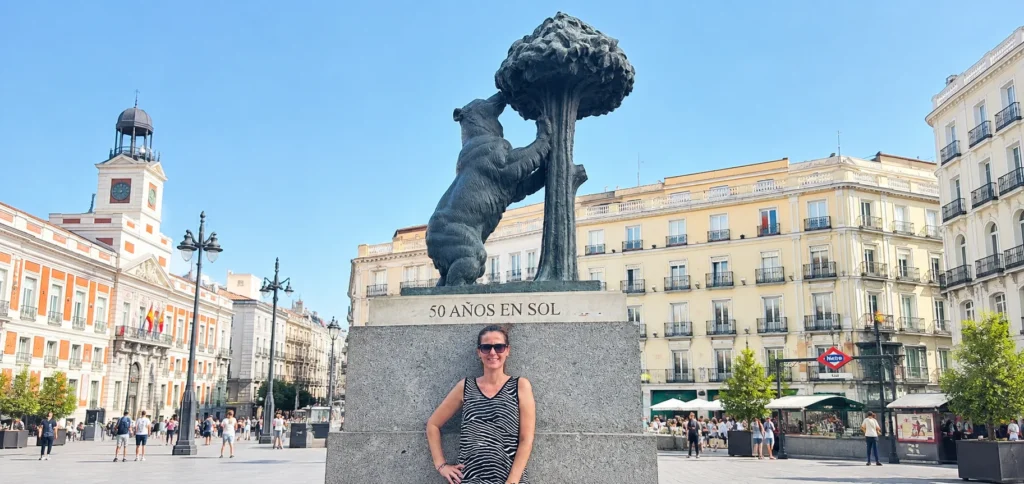
Land at Barajas, take the metro into the center, and check into your hotel before the jet lag catches up. Puerta del Sol is Madrid’s literal center point. The Kilometre Zero plaque marking the start of Spain’s national road network is set into the pavement here, and just around the corner stands the bronze El Oso y el Madroño (the Bear and the Strawberry Tree), the figure on Madrid’s official coat of arms. Both make for an easy first-afternoon stop before your legs adjust to the walking ahead.
Day 2: Plaza Mayor and the Historic Center
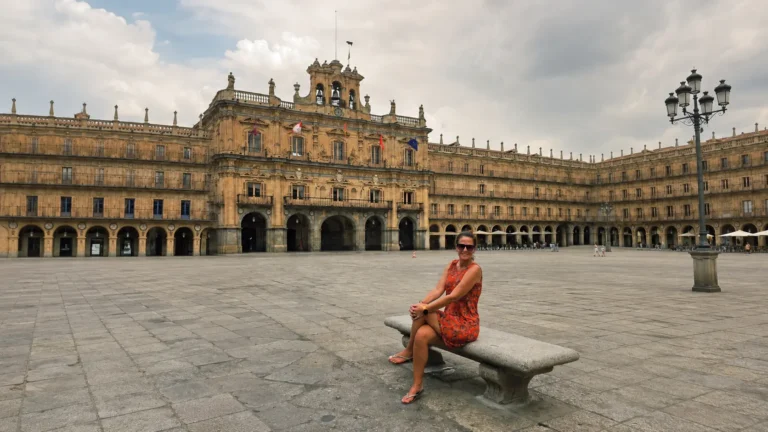
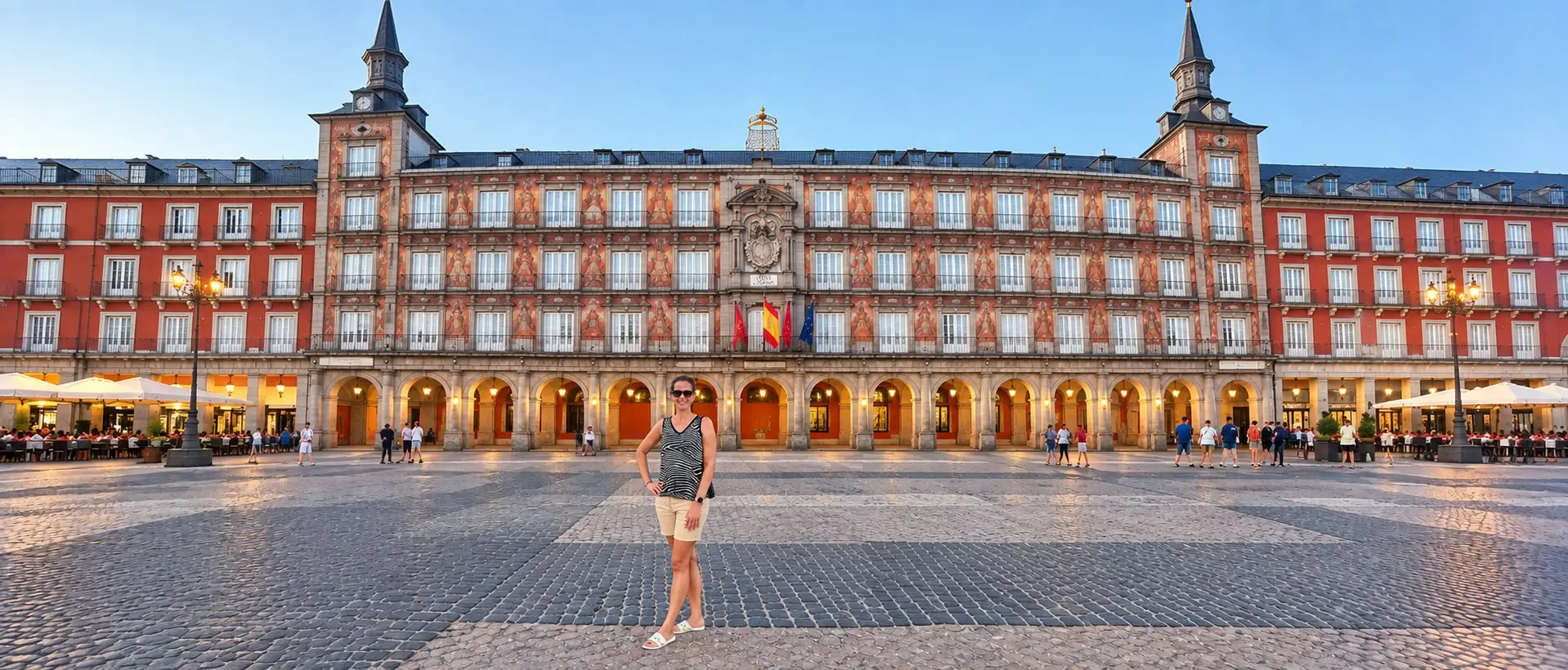
Spend the morning wandering the arcaded streets around Plaza Mayor, then come back after dark. That’s when the square earns its reputation: tables spill out under the arches, a guitarist or two works the crowd, and the paella pans go around family-style.
🥘 The paella right on Plaza Mayor leans touristy and the sangria is sweeter than it should be. Sitting there with live music going, watching the square fill up, is still worth doing once.
Day 3: The Art Triangle
Dedicate a full day to the Museo del Prado, Spain’s grandest collection of Velázquez, Goya, and El Greco. Buy a timed slot in advance rather than queuing; if your budget allows it, spend €15 and skip the crowded free-entry window in the evening.
🎨 Callout: The Prado offers free entry to the permanent collection during its last two opening hours (Mon-Sat 18:00-20:00, Sun/holidays 17:00-19:00), but expect a real line at the door.
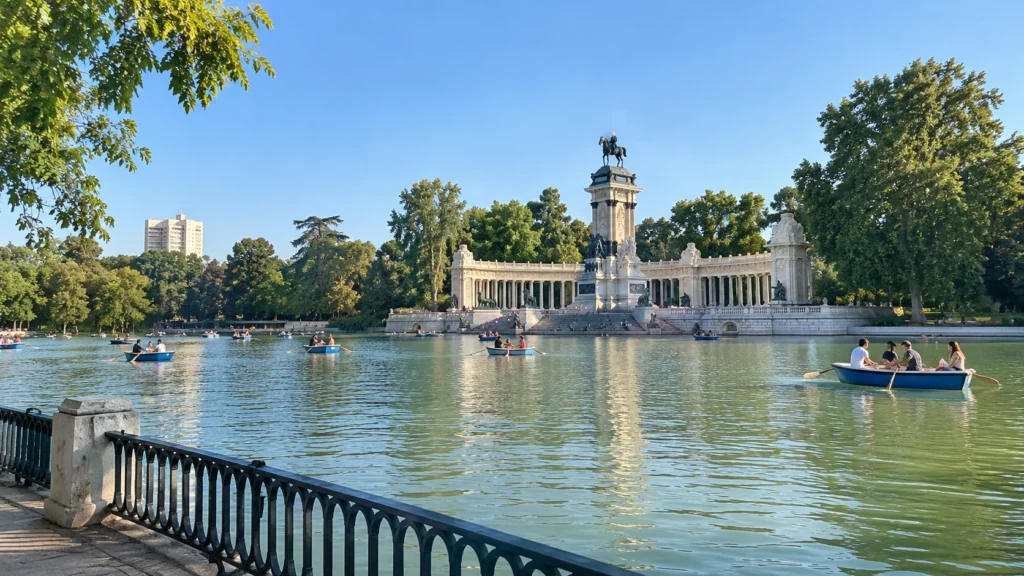
From the Prado, it’s a short walk to Retiro Park. Rent a rowboat on the artificial lake beneath the Alfonso XII monument (around €6 on weekdays, €8 on weekends, 45 minutes per boat) and drift past the same water where Madrid’s royal court once staged mock naval battles.
Day 4: Slow Morning, Onward to Barcelona
Keep the last morning light: a bakery breakfast, a final walk through Sol, and build real buffer time before your onward bus. ALSA runs the Madrid-Barcelona route from Avenida de América station roughly every few hours, and the ride takes 7-8 hours depending on stops.
🚌 Learned the hard way: I cut my connection too close and watched my bus pull out without me. Waiting for the next one cost a few hours but nothing worse. Arrive at the station at least 45 minutes early and you’ll avoid the same mistake. If your dates are flexible, the Renfe AVE high-speed train covers the same route in under 3 hours.
⭐ Top Experiences & Best Places to Visit
1. Museo del Prado
One of the world’s great art museums, and the anchor of Madrid’s Golden Triangle alongside the Reina Sofía and Thyssen-Bornemisza.
2. Retiro Park’s Boating Lake
A genuinely relaxing way to spend an hour; renting a rowboat here feels like something Madrileños do on a Sunday more than something built for visitors.
3. Plaza Mayor After Dark
Best experienced in the evening, when the square fills with live music and the terrace restaurants light up.
4. Puerta del Sol
Home to the Kilometre Zero marker and the Bear and the Strawberry Tree statue: small stops, but ones nearly every Madrid itinerary crosses at some point.
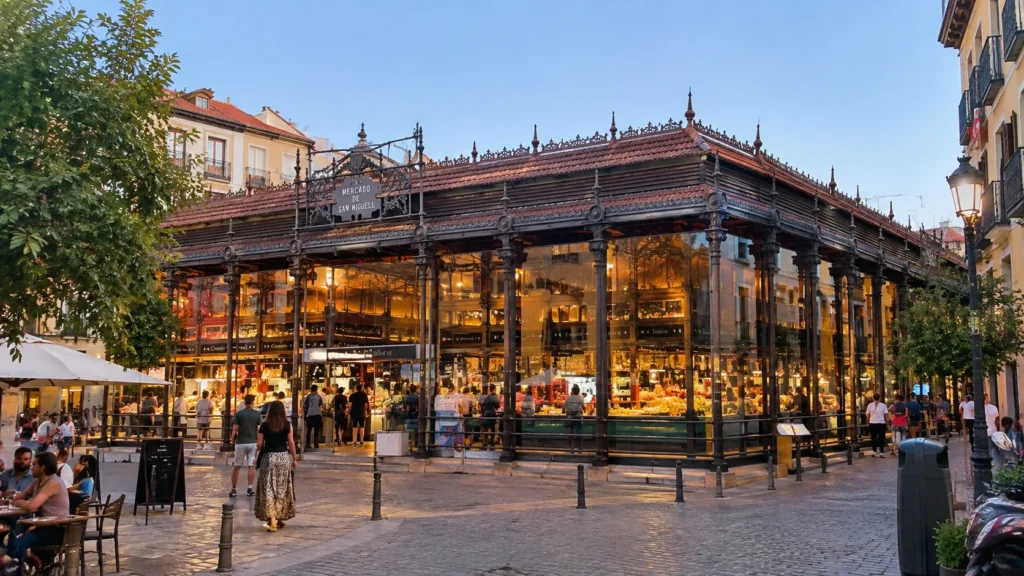
5. Mercado de San Miguel
A restored 1916 iron-and-glass market a few steps from Plaza Mayor, good for grazing tapas without committing to a sit-down meal.
Klook is worth a check too, particularly for skip-the-line tickets bundled with a guided Prado tour.
Beyond the Top 5, Madrid rewards wandering: the Royal Palace, the Almudena Cathedral, and the Chueca and La Latina neighborhoods for tapas crawls all sit within easy walking distance of the center.
🏨 Where to Stay & Eat
Where to Stay
- 🧍 Budget: Hostal El Pilar sits on Calle de las Carretas, 350 feet from Puerta del Sol and a 6-minute walk to Plaza Mayor, a family-run guesthouse with 24-hour reception and daily-cleaned rooms. This is where I stayed on my most recent trip, and the location made everything walkable.
- 💰 Mid-Range: Hotel Francisco I sits between Sol and Ópera, within walking distance of Plaza Mayor and the Royal Palace, with a chic, modern interior.
- 🛎️ Luxury: Four Seasons Hotel Madrid occupies seven historic buildings steps from Puerta del Sol, with a rooftop restaurant helmed by chef Dani García.
Where to Eat
- Budget/Casual: Mercado de San Miguel for tapas grazing without a reservation
- Mid-Range: Los Galayos, a century-old restaurant right on Plaza Mayor known for its slow-roasted cochinillo (suckling pig)
- Splurge: Restaurante Botín, listed by Guinness World Records as the world’s oldest restaurant and a favorite of Hemingway’s; reserve ahead
💶 Budget: Cost & Money-Saving Tips
Cost of Traveling
Madrid sits in the mid-range for European capitals. A backpacker sharing a hostel dorm and eating mostly market food can get by on €60-80 a day. A mid-range traveler staying at a hotel like Hostal El Pilar, eating one sit-down meal daily, and covering entry fees should budget €100-140 a day. Add another €150-250+ daily for a luxury stay with fine dining.
Money-Saving Tips
- Visit the Prado during its free evening hours if you don’t mind a short queue
- Buy the rechargeable Multi transport card rather than single metro tickets if you’re staying more than two days
- Skip the Plaza Mayor tourist-trap tables for lunch and eat there for the atmosphere at dinner instead, when the live music makes up for the marked-up menu
- Book long-distance train or bus tickets in advance; ALSA and Renfe prices climb closer to departure
- Many state museums, including the Prado, offer free admission on certain days; check the calendar before you plan your museum days
🧳 What to Pack & Good to Know
What to Pack
- Comfortable walking shoes, since the historic center is cobblestone-heavy
- A light layer for evenings even in summer, since Madrid’s dry heat drops fast after sunset
- A universal Type C/F adapter
- Sunscreen and a refillable water bottle for museum days and park afternoons
Safety, Accessibility & Etiquette
Madrid is one of the safer European capitals for walking at night, though pickpocketing around Sol and on crowded metro lines is worth watching for. Emergency number: 112. Most museums and major hotels are wheelchair accessible; cobblestone streets in the historic core can be uneven. Spaniards eat dinner late, and restaurants often don’t fill up until 9 or 10 p.m., so don’t expect much of a crowd if you show up at 7.
🛡️ Good to Know: Travel insurance is worth having for a European trip, especially if you’re combining cities by bus or train. SafetyWing covers most short-term itineraries.
For connectivity, an Airalo or Yesim eSIM installs before you land and saves the hunt for a local SIM card.
❓ FAQ
Is four days enough time in Madrid?
Yes. Four days covers the historic center, the Prado, and a relaxed afternoon in Retiro Park without rushing, though art lovers could easily fill a fifth day with the Reina Sofía and Thyssen-Bornemisza.
Is the paella in Plaza Mayor actually good?
It’s decent rather than excellent; the setting and live music are the real draw. For a more serious paella, head to a dedicated rice restaurant like La Barraca in Chueca.
How much buffer time should I leave for a long-distance bus connection in Madrid?
More than you think, as the itinerary above proves. Traffic and metro transfers eat into a tight window faster than it looks on a map.
Is Madrid walkable, or do I need to rely on the metro?
The historic center (Sol, Plaza Mayor, the Royal Palace, Retiro) is walkable end to end. The metro is only really necessary for the airport, Chamartín/Atocha train stations, or neighborhoods farther out like Chamberí or Salamanca.
What’s the bear statue in Puerta del Sol?
It’s El Oso y el Madroño (the Bear and the Strawberry Tree), Madrid’s official coat-of-arms symbol and one of the city’s most-photographed small monuments.
✈️ Wrap-Up: Madrid Travel Guide Summary
This Madrid travel guide comes down to a few numbers worth keeping handy:
Quick Summary
- Best time to visit: April-May or September-October
- Average daily budget: €100-140 (mid-range)
- Ideal trip length: 4 days
- Good for: first-time visitors, art lovers, and anyone connecting onward to Barcelona or elsewhere in Spain
Final Words
Madrid is an easy city to underestimate on paper — it doesn’t have a single postcard monument the way Paris or Rome does, and an easy one to fall for in person, somewhere between a Plaza Mayor guitar set and a slow row across the Retiro lake. Missing that bus turned out to be a decent excuse for one more evening in the city rather than a real setback. If you’re building a Spain itinerary, where does Madrid fit: the opening stop, or the one you save for last?
For more real trip notes and city guides, browse the rest of the site at gotravelica.com.