Zaragoza Travel Guide 2026: Basilica del Pilar & Tapas in El Tubo
The heat hit me before anything else did. Stepping out of the hotel at midday in August, the pavement seemed to breathe it right back up at me, and for a second all I could think was: what have I gotten myself into.
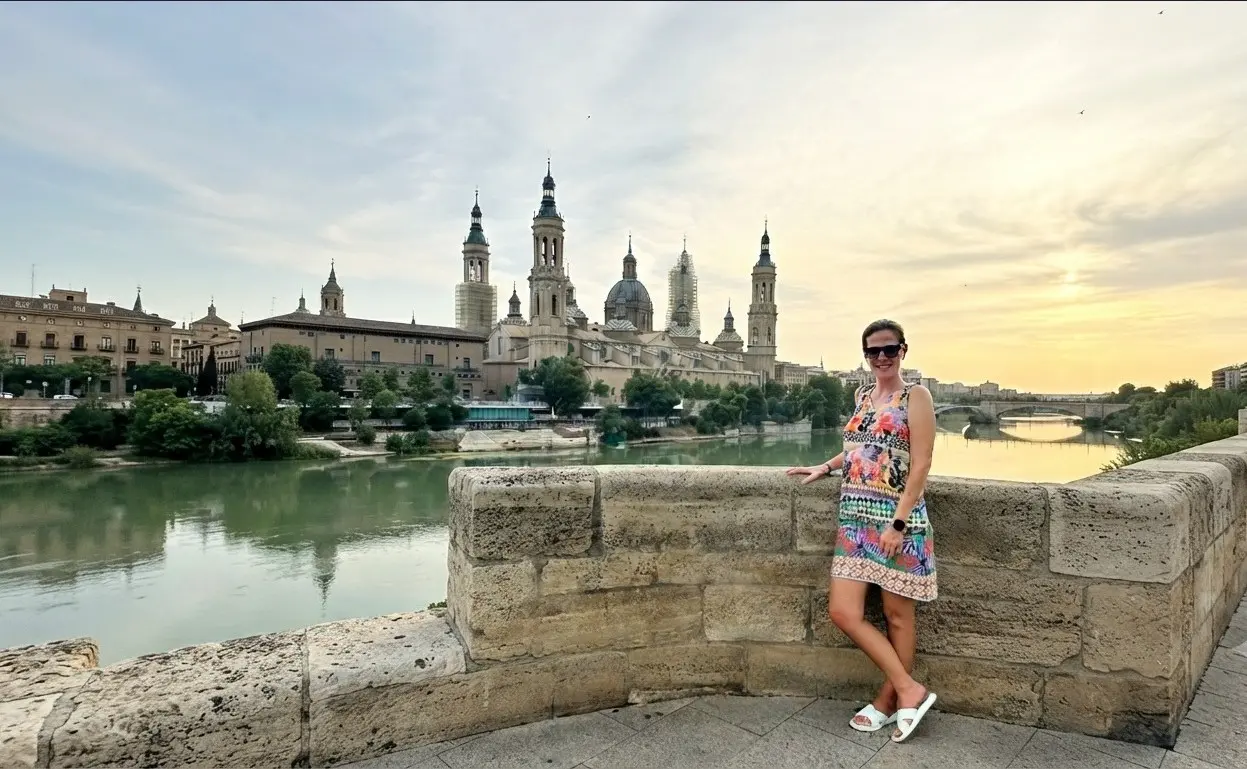
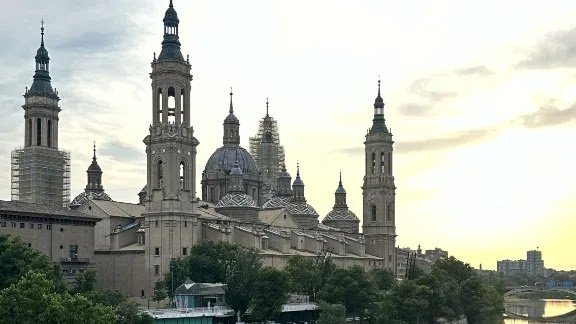
Then came the evening. I walked down to the banks of the Ebro River as the sky turned from orange to black, and there it was: the Basilica del Pilar, lit gold, its domes doubling themselves in the still water. The air had finally cooled, and the whole city felt like it was exhaling along with me. That contrast, between the punishing afternoon and the quiet, glowing night, is Zaragoza in a single breath.
Zaragoza was not my final destination that summer. I was heading south toward Andalusia, and I had planned this city as a first stop, almost an afterthought. It earned its place on the itinerary within a single afternoon, thanks to the Baroque towers rising over the river, the maze of tapas bars in the old town, and a historic core so compact that a few unhurried days cover nearly all of it on foot. This guide lays out a full 5-day plan built around exactly that heat, that river, and that walkable core.
Quick Picks Where to sleep in Zaragoza:
- 🧍 Budget: Albergue Zaragoza Hostel – central, well reviewed breakfast
- 💰 Mid-Range: Hotel Vincci Zentro Zaragoza – in the old town, spacious rooms
- 🛎️ Luxury: Reina Petronila – 5-star, spa, in Romareda
📋 Quick Facts Before You Go
ℹ️ Visa Note: Spain is part of the Schengen Area, so travelers holding a valid Schengen visa, or those exempt from one, can enter without extra paperwork. Rules vary by nationality, so check Spain’s official visa page before booking.
Transport tickets: the rechargeable Tarjeta Bus card covers both bus and tram, and is noticeably cheaper than single paper tickets.
Language: Spanish, with Aragonese still spoken in parts of the surrounding region.
Currency: Euro (EUR).
Plugs: Type C and F, 230V, the same as the rest of continental Spain.
Mobile & Internet: a local eSIM (Airalo or Yesim) is the easiest way to land with data already working, since the old town has patchy free wifi.
Getting There & Getting Around
Zaragoza Airport (ZAZ) sits about 10 km from downtown, and getting into the center is straightforward. Budget travelers take the airport bus (line 501 or the faster 505), which reaches Delicias station and the center in roughly 20-30 minutes for a few euros. For comfort, a taxi takes about 20 minutes and typically runs €20-25 during the day.
Thanks to Spain’s high-speed rail network, most visitors actually arrive by AVE train rather than by plane. Trains from Madrid or Barcelona reach Delicias station in well under two hours, which is often faster door to door than flying. Check schedules and fares directly on the official Renfe website before you go, and compare it against flight prices on Aviasalses or Kiwi.com if you are combining Zaragoza with other Spanish cities.
Since I was continuing south by road toward Andalusia afterward, I booked my rental car through Get Rent a Car and picked it up in Zaragoza rather than at the airport, which saved on the airport surcharge — an easy trick to copy if your own trip continues the same way.
Inside the city, a single tram line runs straight through the center and covers ground fast.
💨 Local Quirk: Zaragoza is famous for the cierzo, a strong, dry northwesterly wind that can pick up with little warning in the open squares around the Basilica. It is more a local character trait than a real hazard, but it explains why locals hold onto their hats in Plaza del Pilar.
Best Time to Visit & Trip Length
Spring (April-May) and early fall (mid-September to mid-October) are, without question, the best windows to visit. Temperatures sit comfortably between 15-25°C, and the plazas are pleasant to linger in rather than something to escape.
⚠️ Summer Heat Warning: I went in August, and it was a seasonal mistake I would still make again if it meant seeing the Basilica lit up at night. Daytime highs regularly hit 40-45°C, and the open plazas offer close to zero shade. I restructured the entire trip around it, sightseeing only in the early morning or after sunset and treating midday as indoor downtime rather than wasted time. If you are traveling in July or August, plan the same way and carry water everywhere.
Two to three full days cover the historic core comfortably, but this itinerary stretches it to five so you can add a slower pace, a day trip, and some built-in recovery time from the heat.Getting Around: Tram, Bus, and the Cierzo Wind
Zaragoza’s single tram line runs straight through the city center and is genuinely useful for covering ground quickly. For multiple rides, the rechargeable Tarjeta Bus card (available at kiosks and tobacco shops) is significantly cheaper than buying single tickets each time.
One local quirk worth knowing: Zaragoza is famous for the cierzo, a strong, dry northwesterly wind that can pick up with little warning, especially in the open squares around the Basilica. It’s more of a local character trait than a real hazard, but it explains why locals hold onto their hats around Plaza del Pilar.
Day-by-Day Itinerary
Day 1: Arrival and the Old Town at Golden Hour
Settle in, then use the worst of the afternoon heat as an excuse for a long lunch and a nap. Head out around 7pm and cross the Ebro at Puente de Piedra as the light turns gold, catching the Basilica’s domes reflected in the still water below. It’s a view worth coming back for more than once this week.
Day 2: Basilica del Pilar and La Seo
Spend the cooler morning hours inside the Basilica del Pilar, then walk the short distance to La Seo Cathedral before the afternoon heat sets in. Retreat indoors for a few hours, then close the day with a first pass through El Tubo’s tapas bars once the sun drops.
Day 3: Aljafería Palace and the Roman Ruins
Cross town in the morning for the Aljafería Palace, one of the best-preserved Moorish fortress-palaces in northern Spain. In the late afternoon, duck into the Roman ruins tucked beneath the old town’s streets, then let the evening cool pull you into El Tubo’s quieter back lanes, away from the main tapas crowd.
Day 4: Tapas Crawl and a Boat on the Ebro
Dedicate the morning to a slow tapas crawl through El Tubo, then book an Ebro river boat tour for the early evening, when the light on the Basilica is at its best from the water.
Day 5: Monasterio de Piedra or a Slow Departure
For a fifth day, a day trip to the Monasterio de Piedra monastery and its waterfalls makes for a properly cool escape from the summer heat before continuing south. If you would rather stay in the city, use the morning for the Basilica’s tower viewpoint and a final wander through Casco Antiguo.
Top Experiences & Best Places to Visit
1. Basilica del Pilar
Built between 1681 and 1754, the Basilica del Pilar is the largest Baroque church in Spain, and it genuinely stopped me in my tracks. I spent several hours inside, moving slowly beneath its eleven domes, several of which carry frescoes painted by Zaragoza’s own Francisco Goya.
📜 The Legend of the Pillar: Tradition holds that in the year 40 AD, the Virgin Mary appeared to the Apostle James on the banks of the Ebro, standing atop a pillar of jasper, and asked him to build a chapel on the spot. That pillar still sits inside the basilica, behind a small oval opening where visitors line up to touch it. During the Spanish Civil War, three bombs fell directly on the building. None of them exploded, and two are still displayed inside as a reminder of what the faithful call a miracle.
2. La Seo Cathedral & Aljafería Palace
A short walk from the Basilica, La Seo Cathedral layers Romanesque, Gothic, Mudéjar, and Baroque styles into one building. Across town, the Aljafería Palace is a genuine surprise: an 11th-century Moorish fortress-palace, later home to the Christian kings of Aragon, and now the seat of the regional parliament. Its horseshoe arches and courtyards make it one of the best-preserved pieces of Islamic architecture in northern Spain, and its glazed Mudéjar exterior forms part of a UNESCO World Heritage listing for Mudéjar architecture in Aragon.
3. Puente de Piedra & the Old Town
The 15th-century Puente de Piedra (Stone Bridge) is the classic vantage point for photographing the Basilica’s skyline, especially at sunset — this is the spot behind Day 1’s golden-hour view. From there, the old town unfolds into a tangle of narrow streets. Plaza del Pilar, Plaza de la Seo, and the lanes of El Tubo sit close enough together that you can reach every one of them on foot, without a single taxi or paid transfer.
Where to Stay in Zaragoza
Budget :
AZ Hotel San Valero : Comfortable, well-priced, a short tram ride from the old town
ibis Styles Zaragoza Centro : Reliable budget chain, walking distance to Delicias station
Mid-Range :
Eurostars Zaragoza : Modern and central, close to the main train station
Catalonia El Pilar : A few minutes’ walk from the Basilica itself
Luxury :
Hotel Palafox : Five-star elegance a short walk from Santa Engracia basilica
NH Collection Gran Hotel de Zaragoza : A historic grand hotel in the heart of the city
Air conditioning stopped being a nice-to-have and became the single most important line item on my checklist once I was moving through in peak summer. If you are visiting between June and August, double-check this detail before you book anything, whichever tier you choose.
Where to Eat in Zaragoza
Budget
El Tubo tapas crawl : Montaditos and a caña at any bar along Calle Estébanes
La Republicana : Huevos Republicanos: fried egg, potato, and ham
Mid-Range
Casa Lac (since 1825) : Traditional Aragonese cooking, Spain’s oldest licensed restaurant
Luxury
La Prensa : Michelin-starred tasting menu rooted in Aragonese produce
Cancook : Michelin-starred contemporary tasting menu
My favorite meal of the whole trip cost about four euros: a montadito of grilled mushroom and jamón, eaten standing at a bar counter in El Tubo with a cold caña in hand, while the alley outside buzzed with the noise only a good tapas crawl produces.
Popular Tours and Activities
- Free Walking Tour — Plaza del Pilar, La Seo, and the Roman ruins beneath the old town, tipped at the end.
- Ebro River Boat Tour — a roughly one-hour cruise past the city’s bridges and the Basilica’s skyline.
- Guided Tour of the Aljafería Palace — best tackled with a guide, given its layered Moorish and Christian history.
- Basilica Tower Viewpoint — a short elevator ride plus 109 steps for a panoramic view over the domes and river.
💶 Cost of Travelling
| Style | What’s Included | Daily Budget |
| Budget/Backpacker | Hostel or budget hotel, tapas-crawl dinners, free walking tours | €55-85 |
| Mid-Range | Comfortable central hotel, a couple of paid attractions, mixed dining | €110-160 |
| Luxury | Five-star hotel, a Michelin-starred dinner, private guided tours | €260+ |
One line item that summer travelers often forget to budget for: cold drinks and shaded café breaks add up fast when you are avoiding the worst of the afternoon heat.
💡 Money-Saving Tips
- Use the Tarjeta Bus card instead of single tickets if you are staying more than two days.
- Join a free walking tour and tip what you can, rather than booking a paid city tour on day one.
- Eat your main meal at lunch, when many restaurants offer a fixed-price menú del día well below dinner prices.
- Drink from the public fountains scattered through the old town instead of buying bottled water all day.
- Visit the Basilica interior in the morning — it’s free — and save the paid tower viewpoint for a weekday morning.
🎒 What to Pack
- Lightweight, breathable clothing and a wide-brim hat if traveling between June and August.
- A reusable water bottle for the old town’s public fountains.
- Comfortable, broken-in shoes for the cobblestones.
- A light scarf or jacket for the cierzo wind on open squares, even in warm weather.
- A portable phone charger for long sightseeing stretches away from the hotel.
🛡️ Good to Know: Safety, Accessibility & Etiquette
Zaragoza is a safe city by Spanish and European standards, with the usual big-city caution around pickpockets in crowded tapas bars applying here too. The emergency number across Spain is 112.
Arrange travel insurance before you fly — SafetyWing is a straightforward option for short trips — particularly for the summer months, when heat-related issues are the most common reason travelers need care.
Much of the old town’s cobblestone streets make wheelchair and stroller access uneven in places, though the tram and newer hotels are generally accessible.
🛍️ Siesta Hours: Many smaller shops close between roughly 2pm and 5pm, so plan errands and pharmacy visits around it rather than around the heat alone.
Basic Spanish greetings go a long way in smaller tapas bars, even though most staff in central Zaragoza speak at least some English.
❓ Frequently Asked Questions
Is Zaragoza worth visiting on its own, or just as a stopover?
Completely. It was meant to be a quick pause on the way to Andalusia, and it turned into one of the best stops of that whole summer.
How many days do I need in Zaragoza?
Two to three days is the minimum for the Basilica, La Seo, the Aljafería Palace, and a proper wander through the old town. The five-day version in this guide simply adds breathing room for the heat and one day trip out of the city.
Is the Basilica del Pilar free to enter?
Yes, entry to the basilica itself is free. There’s a separate paid ticket for the tower viewpoint and museum.
Is August a bad time to visit?
It’s the toughest month weather-wise, with highs regularly near 45°C. It’s not impossible, as I found out firsthand, but plan your days around the heat rather than fighting it.
Do I need a car in Zaragoza?
No. The historic core is compact enough to cover on foot, and a car only earns its keep if you’re continuing on to other parts of Aragon or Spain afterward.
📌 Quick Summary Box
This Zaragoza Travel Guide boiled down:
- Best time to visit: April-May or mid-September to mid-October
- Average daily budget: €55-260+ depending on travel style
- Ideal trip length: 2-5 days (2-3 for the essentials, 5 for this full itinerary)
- Good for: history, architecture, tapas, and budget-friendly city breaks
👋 Final Words
That drive south to Andalusia was not supposed to detour through anywhere this memorable. But between the Basilica glowing over the Ebro at night and the quiet triumph of finding the right tapas bar on a scorching afternoon, Zaragoza earned a place I had not planned to give it.
💬 Would you brave a 45°C Zaragoza afternoon for a view like that at night, or would you rather wait for the cooler spring air? Tell me in the comments!
We hope this Zaragoza travel guide inspires your next tropical adventure!
Discover More Destinations
Loved this guide? Click here to explore our other travel guides and start planning your next trip!